


Returning the Arabian Leopard to Its Mountain Home

By Panthera

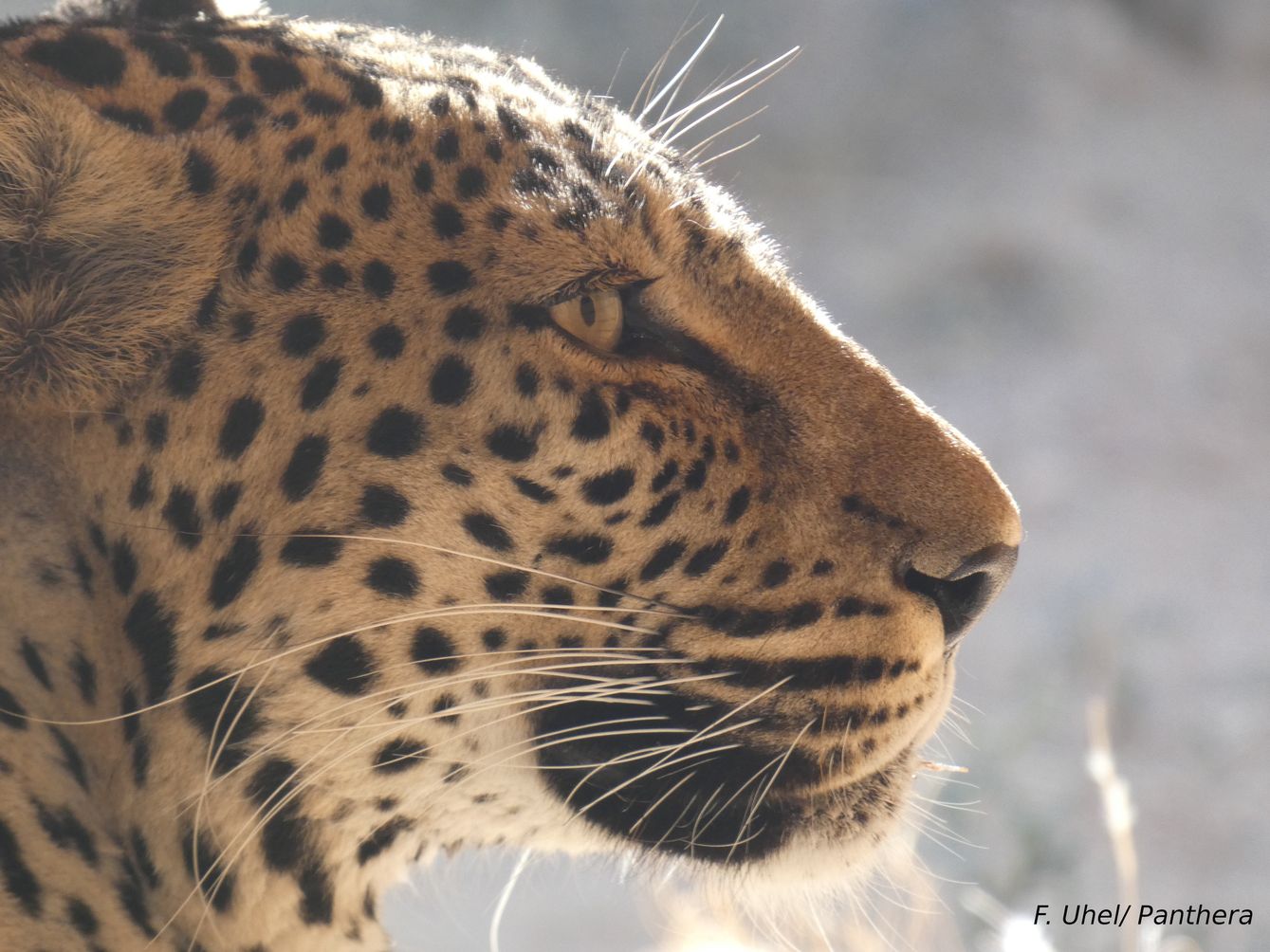
Arabian leopard
© Frédéric Uhel

In the first blog of this series, we explored what conservation translocation is and how Panthera applied it in Honduras to restore prey for jaguars. In AlUla, Saudi Arabia, Panthera and the Royal Commission for AlUla are working to restore an apex carnivore that disappeared from much of its mountain home more than a decade ago: the Arabian leopard.

The Arabian leopard is one of the rarest wild cats on Earth, with fewer than 120 individuals remaining in the wild. Smaller than its African relatives and adapted to the dry, rocky mountains of the Middle East, it once ranged widely across the Arabian Peninsula. But decades of habitat loss, prey decline and conflict with livestock herders caused it to disappear from much of its former territory.

The leopard is a cultural touchstone here. The bravest young Bedouin men are still called Nimr or Nimran, and the clever and courageous women are called Nimrah, the local word for leopard. Restoring this animal to the landscape means restoring more than ecological balance. It means returning a piece of cultural heritage that has been absent for generations.

Laying the Groundwork: Years of Science in the Saudi Wilderness

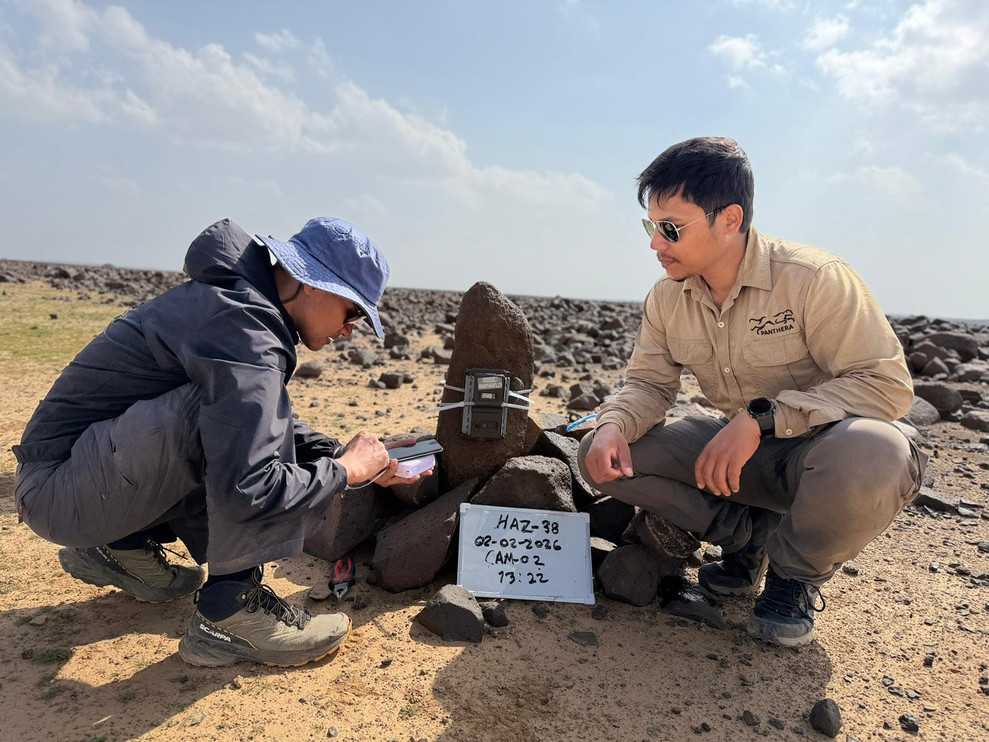
Field staff check camera traps in Saudi Arabia.
Field staff check camera traps in Saudi Arabia. © Panthompong Wichitdecha.

Through the Arabian Leopard Initiative, Panthera works with the Royal Commission for AlUla (RCU) to lay the groundwork for reintroduction in northwestern Saudi Arabia. The approach has two tracks: improving habitat quality and rebuilding wild prey populations at identified release sites, while simultaneously supporting RCU in expanding captive-breeding facilities so that leopards can grow in number and develop the skills needed to survive in the wild.

Since 2020, Panthera has conducted habitat and camera trap surveys covering more than 6,000 square kilometers, collected over one million wildlife images and analyzed DNA from 143 carnivore scat samples. Potential reintroduction sites have been identified in AlUla and are being evaluated against ecological and social readiness criteria.

On the ecological side, the team is looking for a sufficient prey base to support an initial leopard population, decreased livestock presence in leopard habitat, and meaningful reductions in hunting. On the social side, communities around the release sites must demonstrate positive attitudes toward coexistence, and conflict-mitigation measures must be in place for the majority of livestock farmers in the area.

Building Trust with Communities

To build community support, Panthera and RCU have worked with farming communities in the AlUla region to foster coexistence between people and wildlife. This includes enhancing traditional enclosures and co-designing 39 predator-proof livestock enclosures with input from local community members. It also entails training Community Liaison Officers to investigate and respond to human-wildlife conflict incidents. By reducing the economic costs of living alongside large carnivores, the program aims to turn conflict into tolerance and eventually, stewardship.


A post shared by Panthera (@pantheracats)

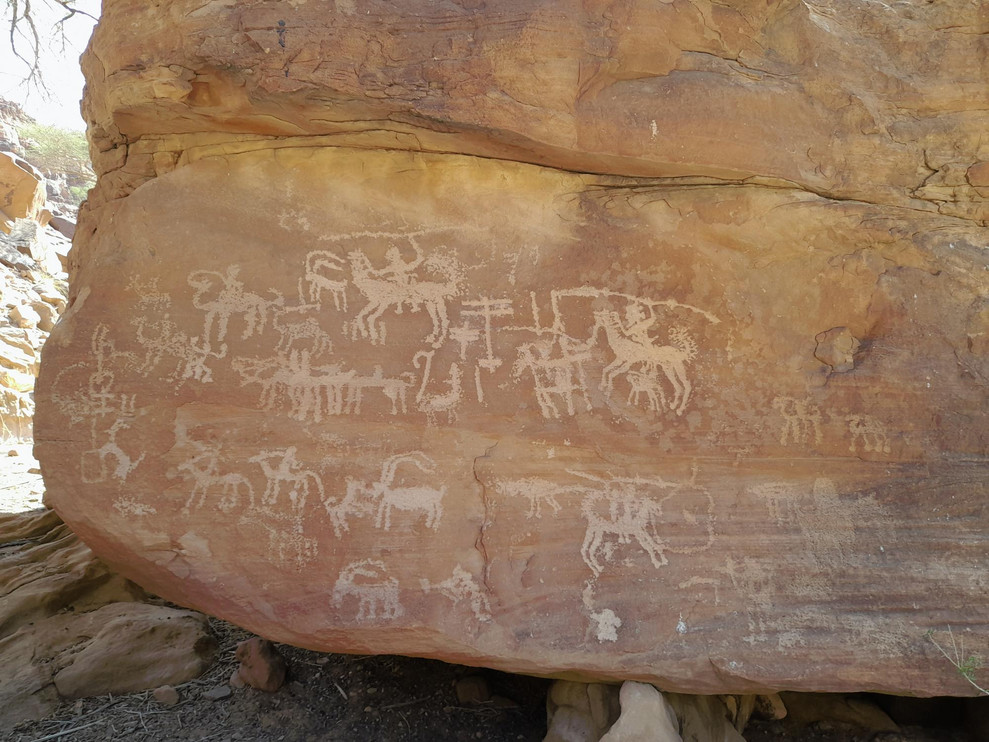
In remote areas, ancient petroglyphs depicting Arabian leopards hint at what this ecosystem once looked like and how people shared it with these animals. These images — and the stories local residents carry about their connection to this landscape, passed down through generations — are a reminder that the leopard has never truly left the cultural memory of this place.

Petroglyphs depicting humans and wildlife in Saudi Arabia.
Petroglyphs depicting humans and wildlife in Saudi Arabia. © RCU/Panthera.

"The Arabian leopard may be one of the most remarkable examples of large carnivore reintroduction in the modern era. This fascination and awe, together with my passion for large carnivore conservation, often reminds me that our work here is truly exceptional."

– Keshab Gogoi, Coordinator and Relationship Manager for the Arabian Leopard Initiative at Panthera Saudi Arabia

The Leopard's Return Is Within Reach

After reintroduction, the team will monitor leopard movement and territory use, survival, reproduction and interactions with local communities. They will not just track whether the leopards survive, but whether the conditions for long-term coexistence are holding.

The Arabian leopard's story is still being written. But the research is in place, the partnerships are deepening and the cultural will is there. What remains is time, patience and the continued commitment to doing this work the right way.

Our initiatives in Saudi Arabia and Honduras show what conservation translocation looks like when a species has a defined history in a place and a clear path back. But what happens when the science of which species belonged somewhere is still being uncovered? In Brazil, Panthera and partners are working on exactly that question.

This is the second installment of a three-part series on conservation translocation. Read Part 1: Bringing Wildlife Home: The Science and Heart of Conservation Translocation in Honduras.