


Guardians of the Desert: How Arabian Leopards Protect Ecosystems

By Panthera

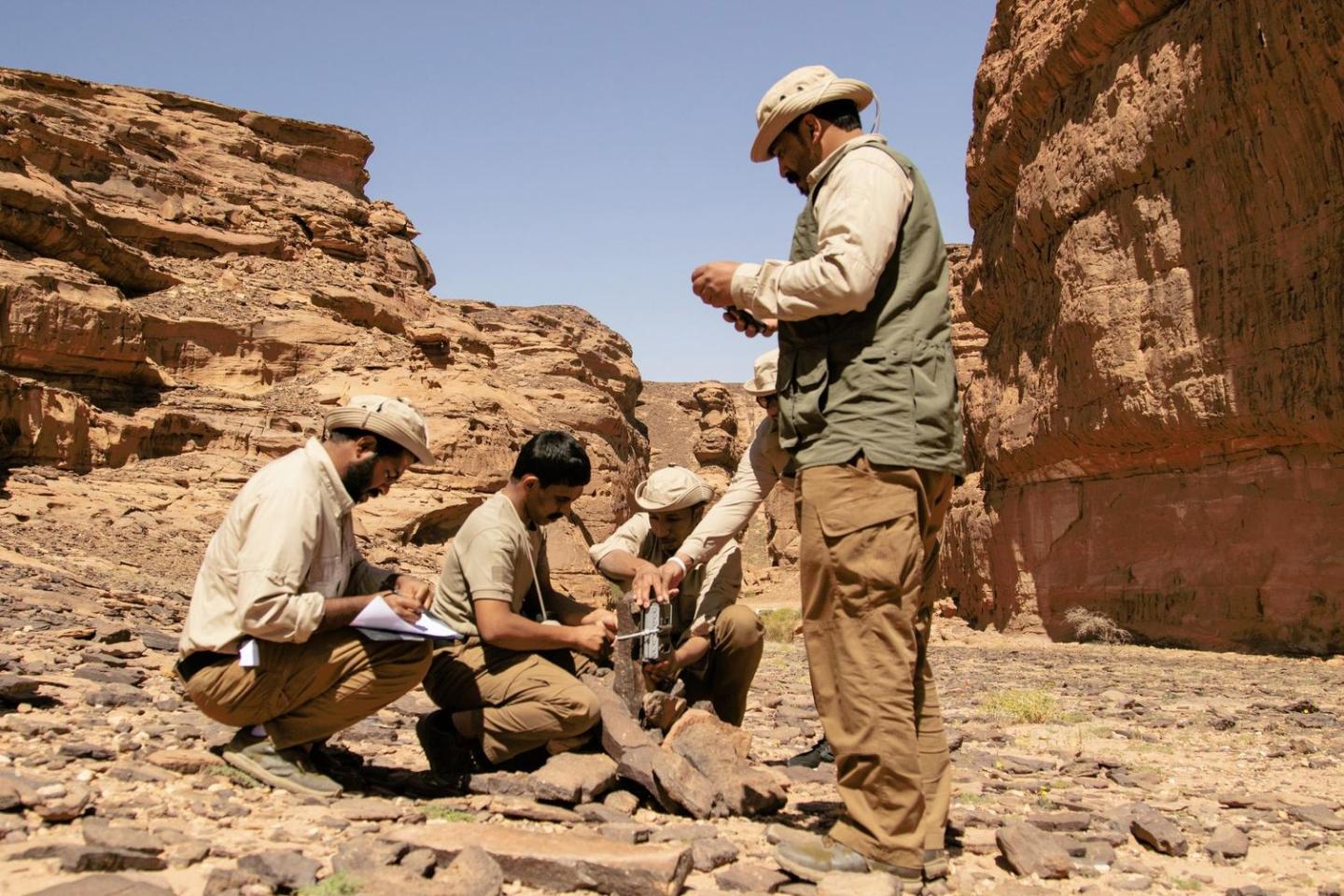
Rangers place a camera trap in Saudi Arabia.
© Panthera

Across arid mountains, the fate of entire ecosystems can hinge on the survival of one elusive animal: the Critically Endangered Arabian leopard. Protecting the smallest leopard subspecies helps safeguard the landscapes they roam — along with the biodiversity, cultural heritage and communities those landscapes support. 

When leopards thrive, their habitats are balanced, resilient and productive; their loss can ripple far beyond a single species. Conserving Arabian leopards and other wild cats is about more than preventing extinction. It preserves other wildlife and protects fragile ecosystems — efforts that Panthera supports around the world. 

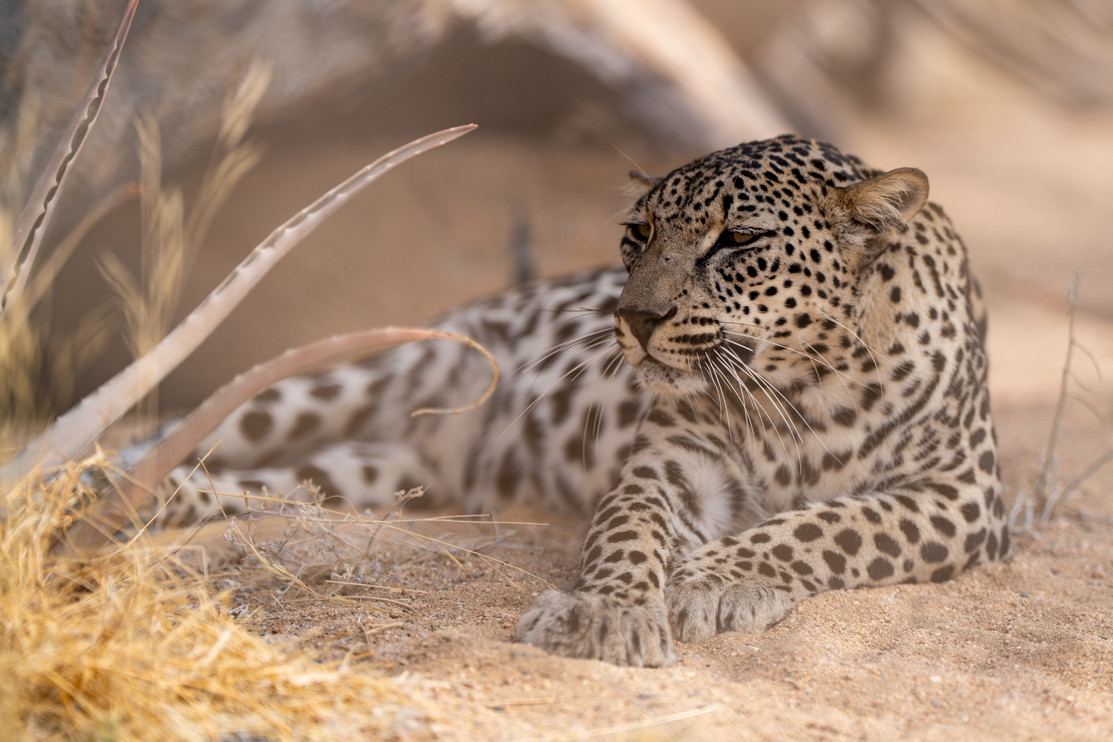
Arabian leopard
The Arabian leopard is listed as Critically Endangered by the IUCN, with fewer than 200 individuals left in the wild. © The Royal Commission for AlUla / The Arabian Leopard Fund

Keeping the Balance: How Leopards Support Healthy Landscapes 

Arabian leopards weigh about half as much as African leopards, but like other wild cats, these felines punch above their weight in ecosystem influence. The subspecies lives in arid mountain regions of the Middle East, where it hunts small to medium prey, like the Arabian gazelle, at night.  

As apex carnivores, leopards help regulate populations of wild animals that feed on plants in healthy ecosystems. The return of these wild cats is part of a long-term process of ecological recovery: Over time, balanced wildlife populations can help prevent overgrazing, soil erosion and the spread of desertification in regions like the arid, craggy landscapes the Arabian leopard calls home. 

An ecosystem where an apex carnivore like the Arabian leopard can thrive once more is a functioning, robust and diverse one. 

Preparing a Future for Arabian Leopards 

The Arabian leopard is listed as Critically Endangered by the IUCN, with fewer than 200 individuals left in the wild. Their greatest threats include habitat loss, overhunting of prey and persecution due to conflict with people over livestock.  

Big cats are uniquely vulnerable to human impacts, particularly leopards in arid regions whose range spans hundreds, if not thousands, of square kilometers. These vast territories increase the risk of encountering people and livestock, making leopard conservation critical for protecting entire ecosystems. 

As part of the Arabian Leopard Initiative, we partner with the Royal Commission for AlUla (RCU) to restore Arabian leopards to their home. In northwestern Saudi Arabia, we’re providing support to conduct research and promote coexistence between communities and wildlife in preparation for the reintroduction of the Arabian leopard.  

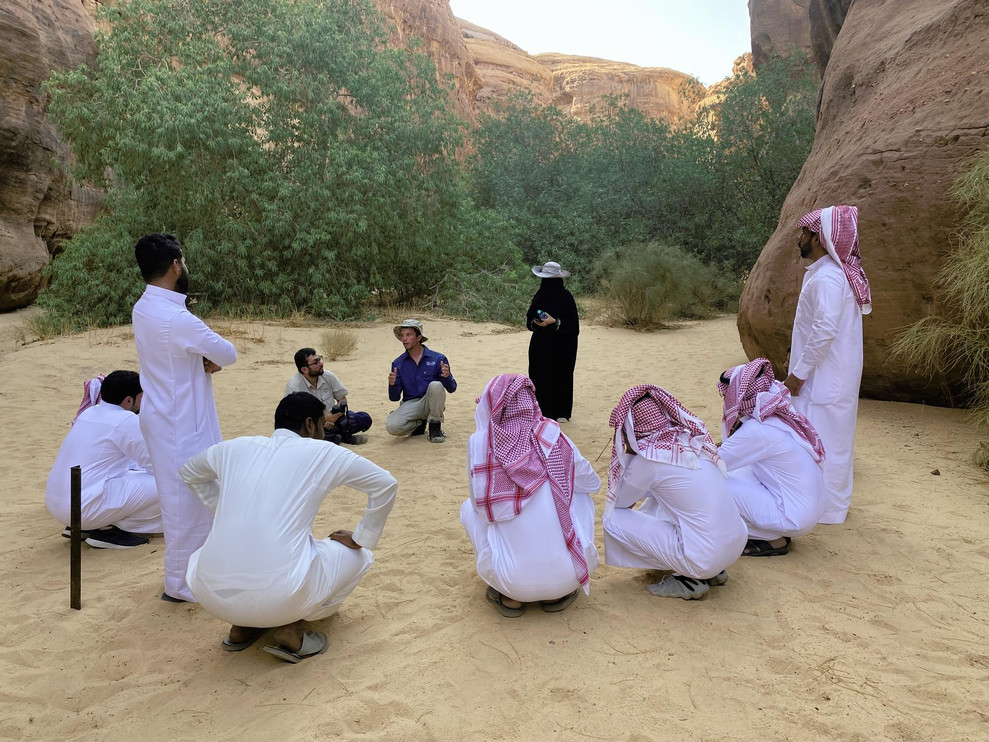
Rangers attend a training in Saudi Arabia
Rangers attend a training in Saudi Arabia. © RCU/Panthera 

Panthera and RCU have adopted a two-pronged approach to restore leopards in Saudi Arabia: First, we have identified areas where they could be reintroduced and committed to improving the habitat quality and wild prey numbers over the next four years. Second, we are supporting RCU as they expand and improve breeding facilities to increase the population of leopards and rewild them to survive in the wild ahead of their eventual reintroduction.  

Panthera has been co-managing the Arabian Leopard Conservation Breeding Centre outside Taif since mid-2022, where the captive population of Arabian leopards has almost doubled. 

Since 2019, Panthera has supported extensive research across western Saudi Arabia, including  habitat modeling, camera trap surveys spanning more than 5,600 square kilometers and the collection of over one million images. These efforts guide conservation planning and provide valuable data on other species, including striped hyaenas, Blandford’s foxes, red foxes, Nubian ibex and caracal. 

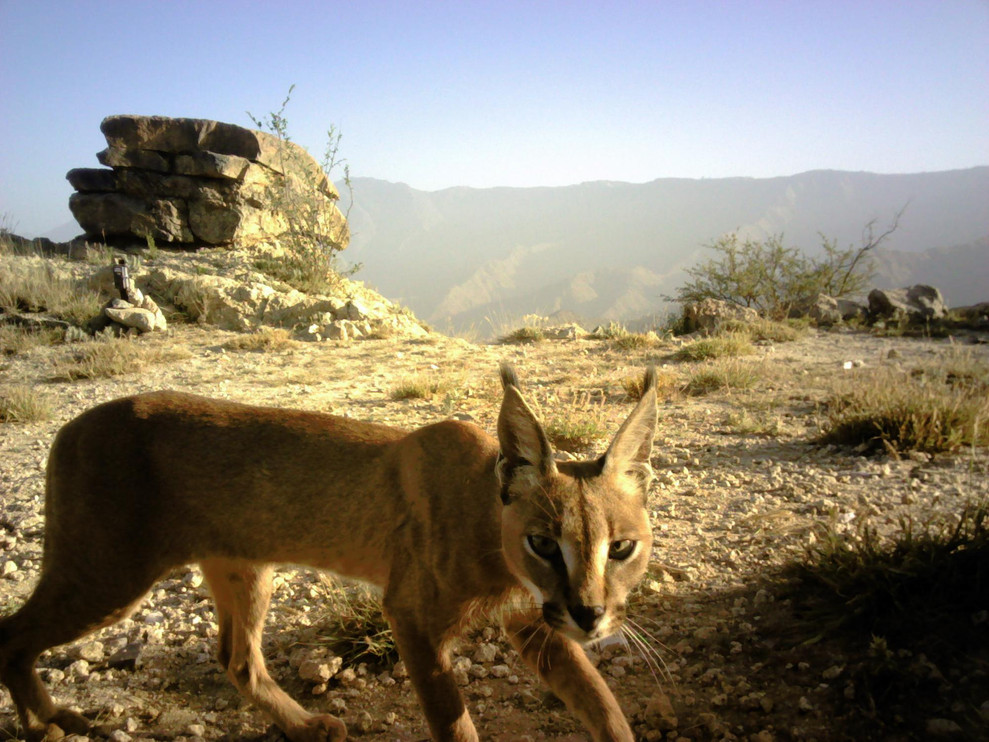
A caracal in Saudi Arabia
A caracal photographed by a Remote Camera in saudi arabia. 
© RCU/Panthera 

Additional work by Panthera includes DNA analysis of carnivore scat samples, more than 800 wildlife questionnaires and interviews with local communities, helping assess ecological readiness and local perspectives — both essential for successful reintroduction. 

To reduce conflict between people and wildlife, Panthera and partners have worked with communities to build predator-proof livestock enclosures and train local Community Liaison Officers to respond to depredation incidents. These efforts help protect livelihoods while fostering coexistence with carnivores and strengthening local stewardship of the landscape. 

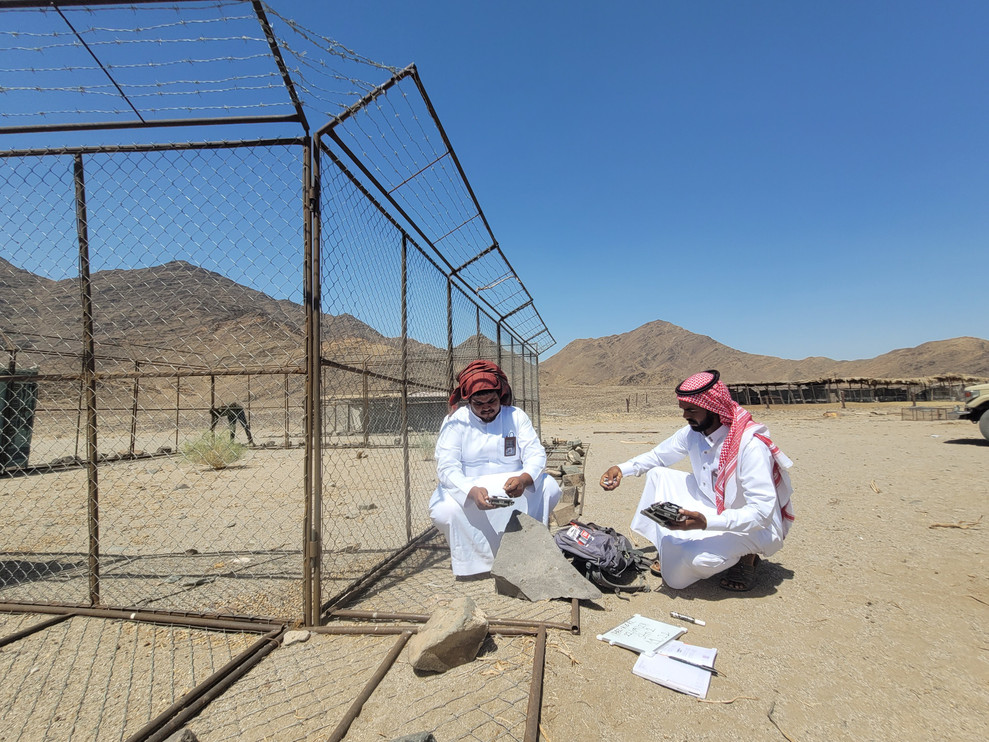
Two people deploy camera traps near a fence in Saudi Arabia
Community Liaison Officers deploy a  Remote camera in Saudi Arabia. © Keshab Gogoi/Panthera 

More Than a Cat: The Broader Impact of Leopard Protection 

Our work in Saudi Arabia is part of Panthera’s broader efforts to support leopard conservation around the globe, from Thailand to South Africa.  

Our goal is to improve or stabilize leopard populations at key sites across at least 20% of their range states by 2030, using science-based monitoring and targeted conservation planning to maximize impact with limited resources. Much of this work has been supported by the Royal Commission for AlUla as part of their efforts to support leopard conservation on a global scale. 

Additional work includes Panthera’s Furs for Life program, which has supplied more than 22,000 Heritage Furs to communities across southern Africa, reducing demand for real leopard skins. Panthera also collaborates with reserve managers and scientists to support innovative citizen-science and conservation in South Africa’s Sabi Sands.   

Protecting leopards safeguards prey populations and strengthens the natural processes that keep land productive. It also preserves cultural heritage, local economies and food security in regions where healthy landscapes are essential for daily life. 

This Arabian Leopard Day, we celebrate these wild cats and their role in protecting entire landscapes. Join us in conserving leopards to help ensure a future for the ecosystems and communities that depend on them.