


Bringing Wildlife Home: The Science and Heart of Conservation Translocation in Honduras

By Panthera

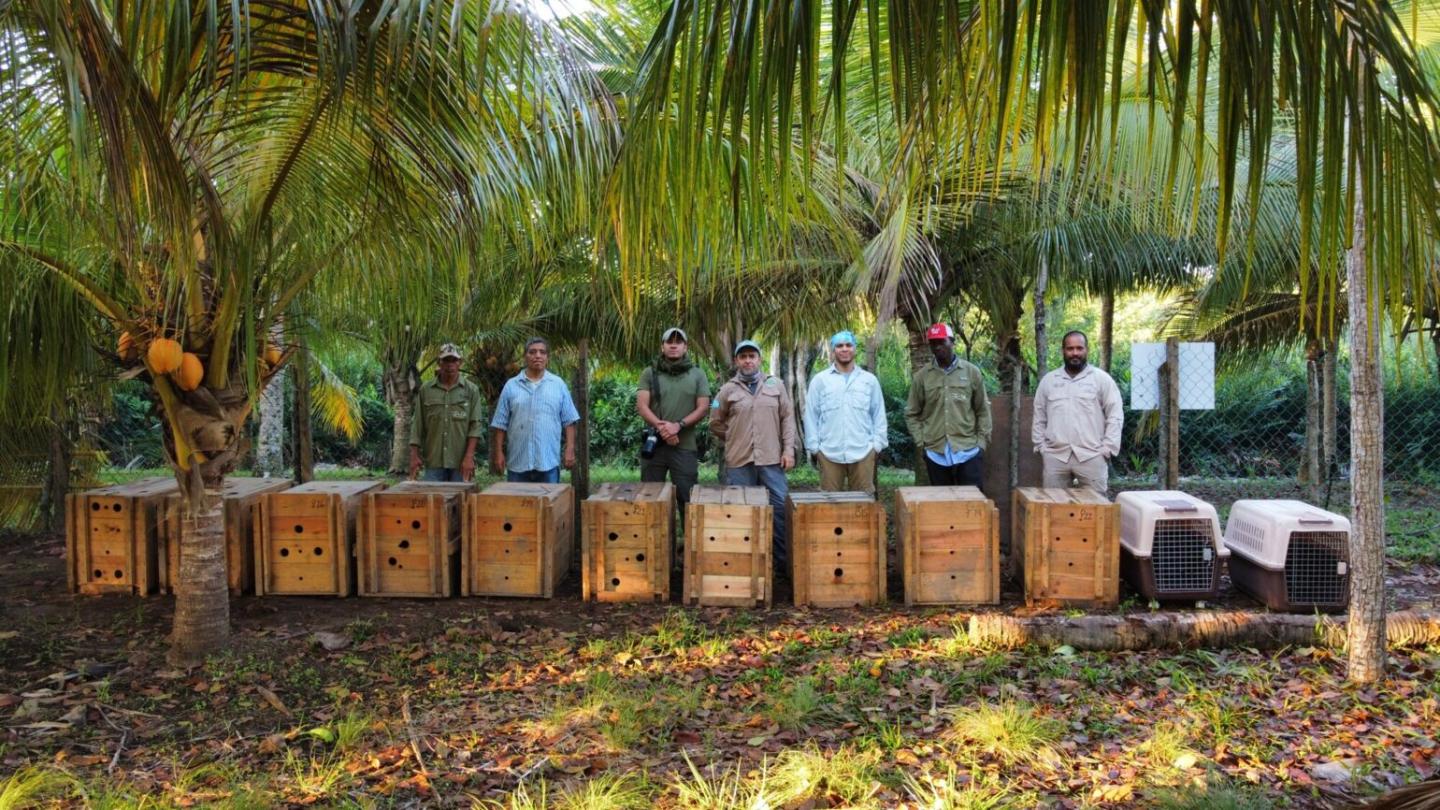
Panthera’s team prepares to open crates containing 14 collared peccaries, who were released back into their natural habitat in Jeannette Kawas National Park, Honduras.
© Panthera

What Is Conservation Translocation?

Conservation translocation is one of the field's most demanding — and most hopeful — tools. At its core, it is the deliberate movement of wild species to restore populations that have been lost or depleted. But the work is far more complex than simply releasing animals into a landscape.

A successful reintroduction can take a decade or more. It requires securing release sites against poaching and habitat loss, rebuilding prey populations, earning the trust of local communities, and closely monitoring wildlife before and after release. Source animals may come from captive-breeding programs, rehabilitation facilities or moving wild animals directly from one location to another — each approach with its own challenges.

Throughout, conservationists must evaluate both ecological readiness (Is there enough prey? Is the habitat intact?) and social readiness (Do communities support coexistence? Are conflict-mitigation measures in place?).

When it works, the results are extraordinary. Researchers and practitioners have now applied conservation translocation to over 5,000 species. For wild cats, reintroductions tend to drive the largest recoveries. Prey and vegetation populations stabilize, ecosystems begin to heal and landscapes that once fell silent come back to life.

Panthera has been doing this work for years and serves as the Global Secretariat for the IUCN Conservation Translocation Specialist Group, which supports practitioners and governments undertaking species reintroductions worldwide. The reintroduction of collared peccaries to Honduras is one of the clearest examples of what this work looks like from start to finish.

Honduras: Restoring the Prey Base for Jaguars

A thriving jaguar population needs more than protected land; it needs prey. In Jeanette Kawas National Park in Honduras, a critical piece of the Jaguar Corridor, collared peccaries had disappeared from the ecosystem roughly 18 years ago. A critical food source for jaguars, bringing collared peccaries back was essential to restoring balance and reducing jaguar–cattle conflict in the surrounding landscape.

The groundwork began years before a single animal was released. Panthera partnered with the Instituto de Conservación Forestal (ICF) and the local organization PROLANSATE to strengthen site security and reduce poaching. In 2015, we implemented SMART patrol technology — the first time it had been used in Honduras — deploying rangers drawn from local communities who brought deep knowledge of the landscape with them. This project was possible in part thanks to the generous support from the private dairy company Lacthosa, The Weeden Foundation, USFWS, La Familia Reyes and the Winston Cubb Fellowship.

With poaching substantially reduced, the team turned to the reintroduction itself. Animals were carefully screened: Peccaries that had grown too comfortable around people were disqualified, since wild animals must retain their wariness of humans to survive. Acoustic sensors that detect gunshot sounds, a proxy for poaching, helped identify the safest release location.

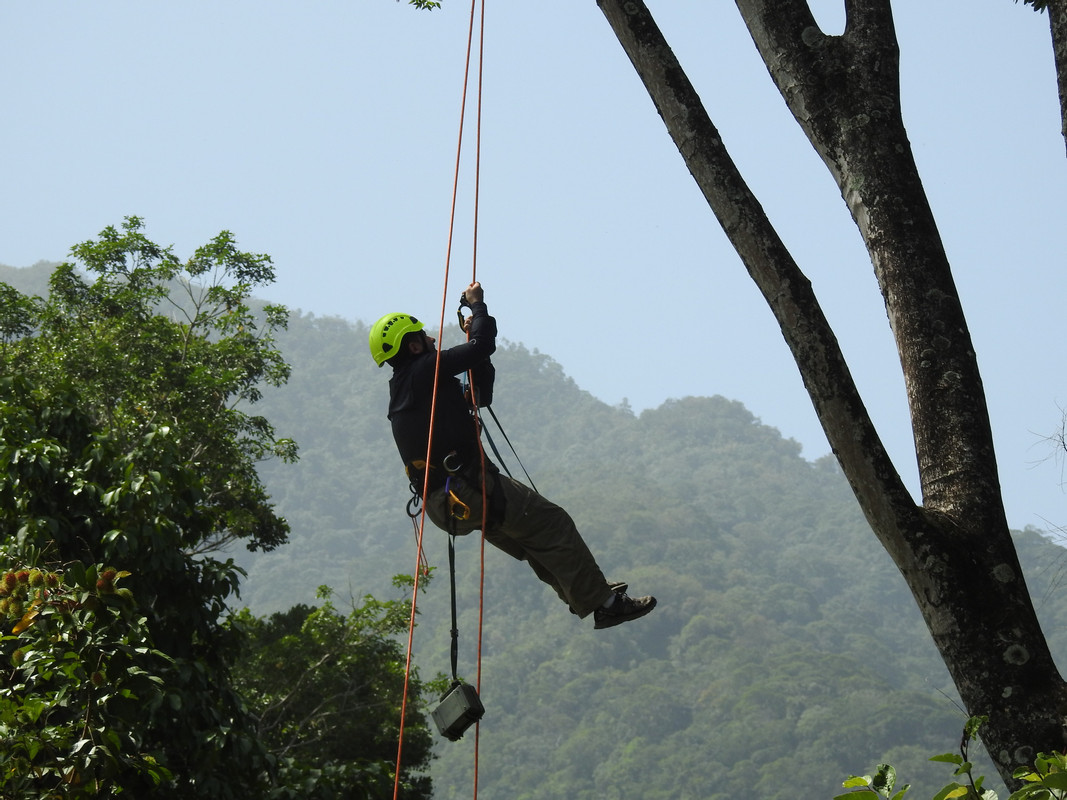
Panthera staff deploy acoustic monitors that detect gunshots and help identify safe release locations.
Panthera staff deploy acoustic monitors that detect gunshots and help identify safe release locations. © Panthera.

In 2021, peccaries from as far as a 14 hour-drive away were transported to a quarantine enclosure built by Panthera on government land. After approximately a year of veterinary observation and behavioral assessment, they underwent a soft release: The enclosure was opened and temporarily stocked with natural foods so the animals could adjust gradually, with a safe place to return to while they found their footing.

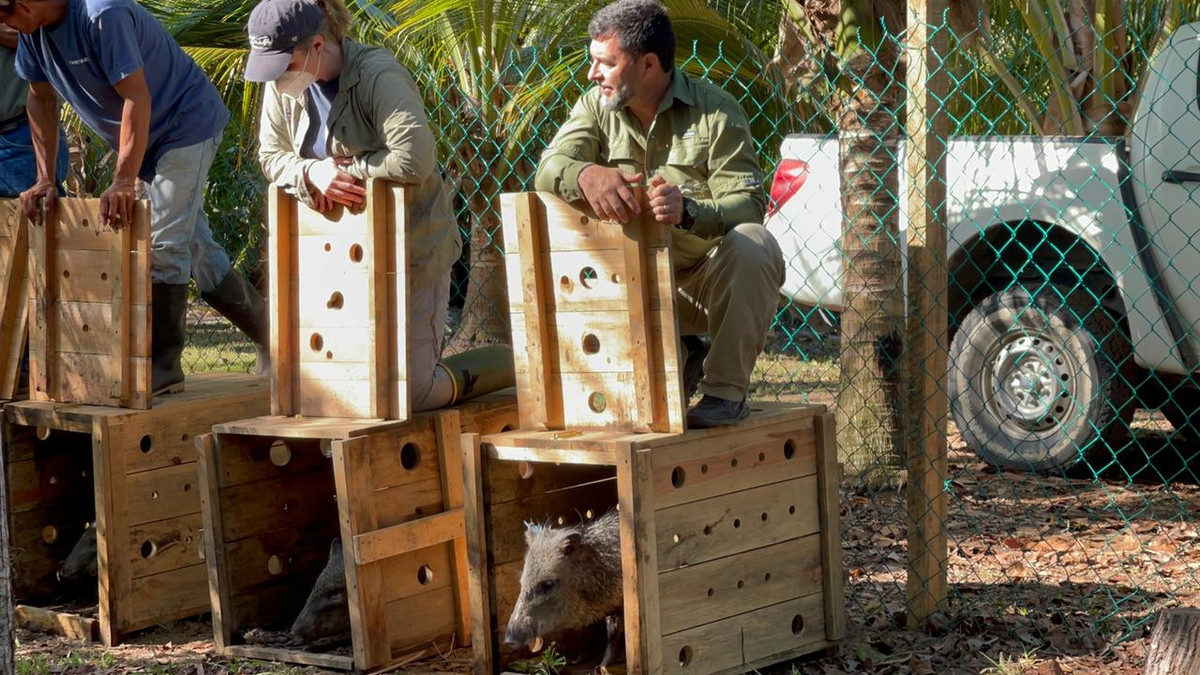
Panthera's team releases collared peccaries into their natural habitat in Jeannette Kawas National Park, Honduras.
Panthera's team releases collared peccaries into their natural habitat in Jeannette Kawas National Park, Honduras. © Panthera.

A group of nine peccaries was released in 2022, followed by 14 more in 2023 — 23 animals in total. Only 8% died following release, a remarkable outcome in a field where 20–60% mortality is typical. Within one week, the peccaries were already reshaping the landscape: creating wallows, establishing game trails used by other species, dispersing seeds and consuming exotic oil palm seeds.

Six months after release, camera traps captured footage of peccary young born in the wild — the first in the park in two decades. Today, the population has grown to an estimated 60–100 animals across approximately 17 square kilometers.

This was the first reintroduction of its kind in Mesoamerica. Comparable projects in Argentina and Mexico had demonstrated that restoring wild prey reduces big cat–cattle conflict, with large cats shifting toward wild prey and predation on livestock declining as a result. The Honduras project was designed with those lessons in mind.

Conservation Begins with Community

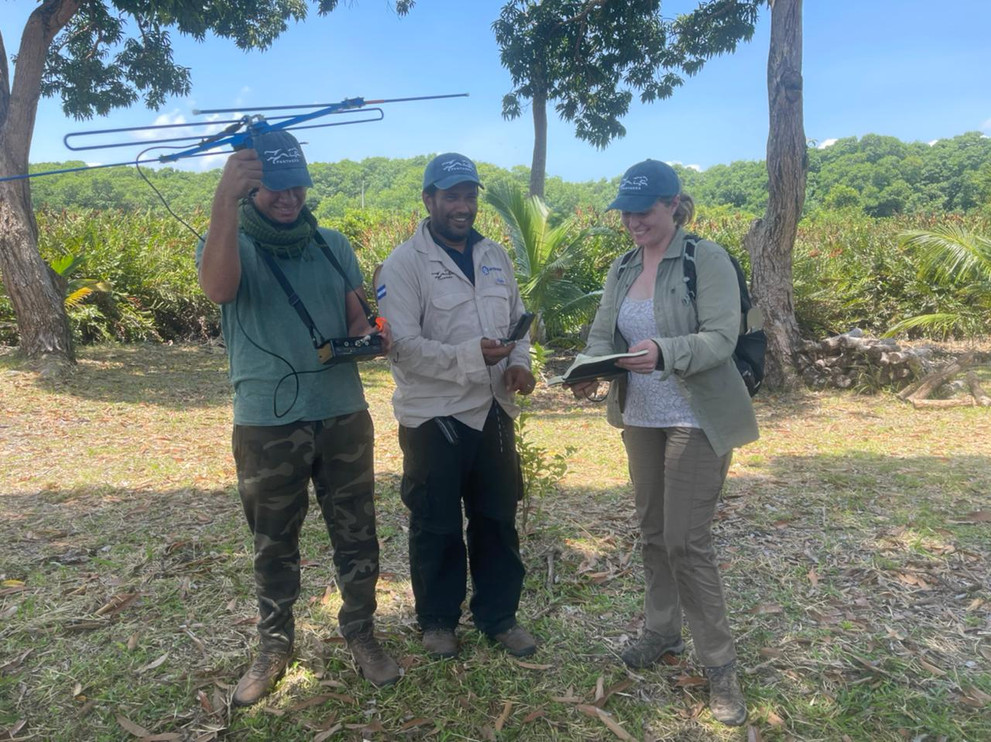
Panthera staff use telemetry to monitor animal movement, behavior and habitat use.
Panthera staff use telemetry to monitor animal movement, behavior and habitat use. © Panthera.

Community involvement has been central to the project's success from the start. The rangers Panthera employs are all local community members, people with deep knowledge of the landscape and strong ties to the people around them, making them effective advocates for conservation values beyond the park's boundaries.

Professors from the Honduran National University (UNAH) are collaborating with Panthera to monitor the social and ecological response of the reintroduction of collared peccaries in Honduras. Panthera also works with community partners to provide environmental education for residents of all ages. Through the Green Iguana Head Start Program near the release site, local schoolchildren learn about the role prey species play in keeping ecosystems healthy, the consequences of poaching, and their own stake in protecting wildlife.

The benefits of our work extend beyond jaguars and peccaries. The high mountain areas within Panthera's Binational Corridor Project are a critical watershed for communities living in the valleys below. Protecting habitat for wildlife also means protecting the forests and waterways that people depend on. A healthy, biodiverse ecosystem doesn't just sustain wild cats; it sustains the people who share the landscape with them.

"It's deeply rewarding to see the return of a species and habitat quality improving in this beautiful landscape. Our impact isn't always immediately visible, but the signs are there."

– Roberto Salom-Pérez, Panthera Latin America Hub Director