


Five Small Wild Cats with a Big Impact on Ecosystems 

By Panthera

https://panthera.zdam.com?r=42326 
©Sebastian Kennerknecht

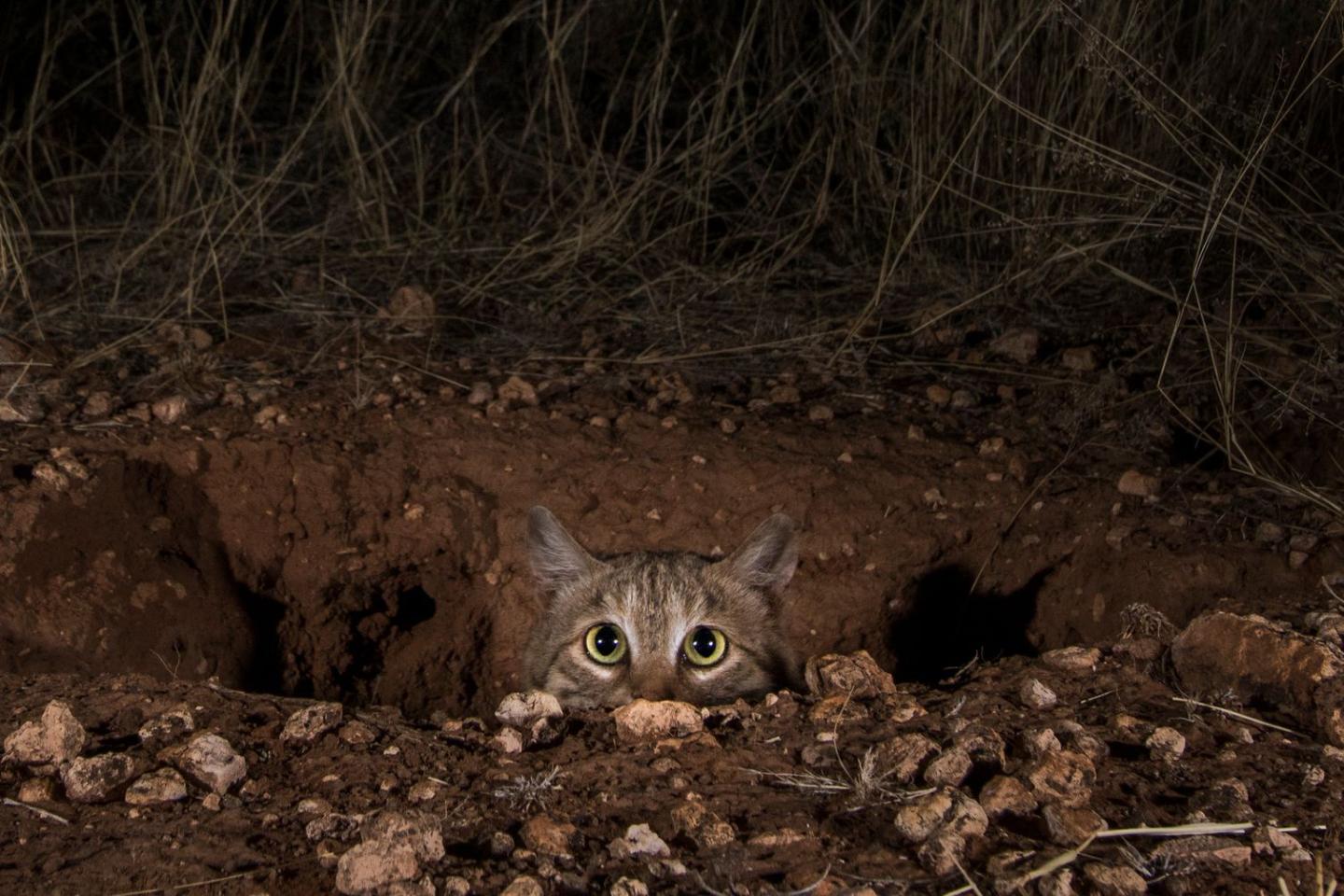
When you think of wild cats, big names like lions, tigers and leopards probably come to mind. But some of the world's most elusive and ecologically important wild cats are no bigger than house cats. Small wild cats are among the most ecologically important and least-studied carnivores on Earth. These small felines play a crucial role in maintaining healthy ecosystems.  

Meet some of the smallest wild cats making a big impact.  

1. Rusty-Spotted Cat 

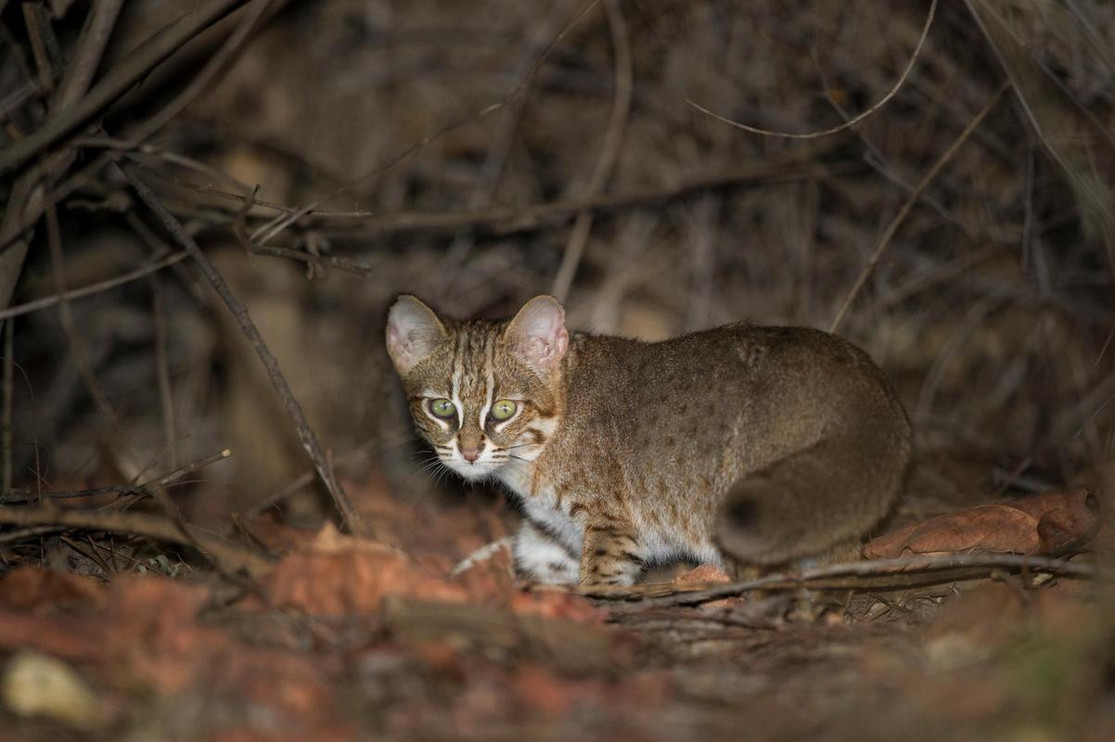
Rusty-spotted cat ©Nick Garbutt
Rusty-spotted cat ©Nick Garbutt

Where They Live: India, Nepal, Sri Lanka  

IUCN Conservation Status: Near Threatened 

Weighing just 2 to 4 pounds, the rusty-spotted cat (Prionailurus rubiginosus) is the smallest wild cat in the world. This nocturnal hunter plays a key role in controlling rodent populations in forests and grasslands. However, habitat loss threatens its survival, making conservation efforts critical. 

2. Black-Footed Cat 

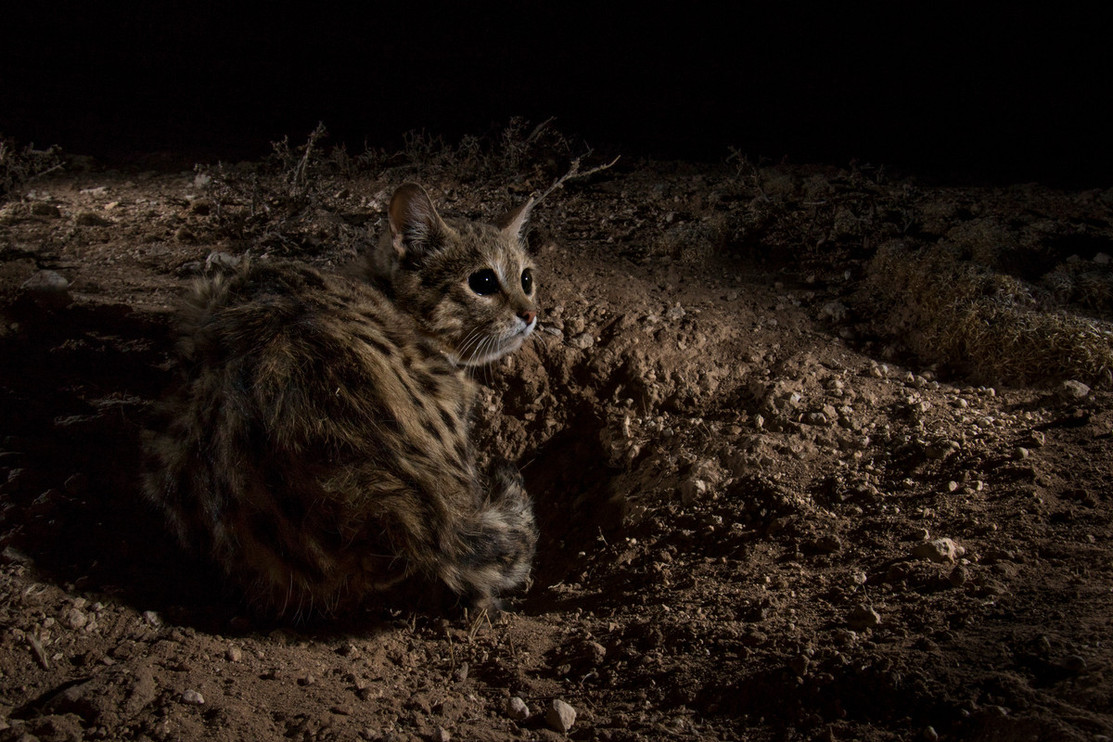
Black-footed cat ©Sebastian Kennerknecht 
Black-footed cat ©Sebastian Kennerknecht

Where They Live: Southern Africa  

IUCN Conservation Status: Vulnerable 

Don't let its appearance fool you — pound for pound, the black-footed cat (Felis nigripes) is one of the most effective hunters in the feline world. Weighing just 2 to 4 pounds, this small predator has been reported in field observations to take down prey nearly 60% of the time. It helps regulate insect and rodent populations, but with habitat loss and disease on the rise, these hunters need protection. 

3. Northern Oncilla 

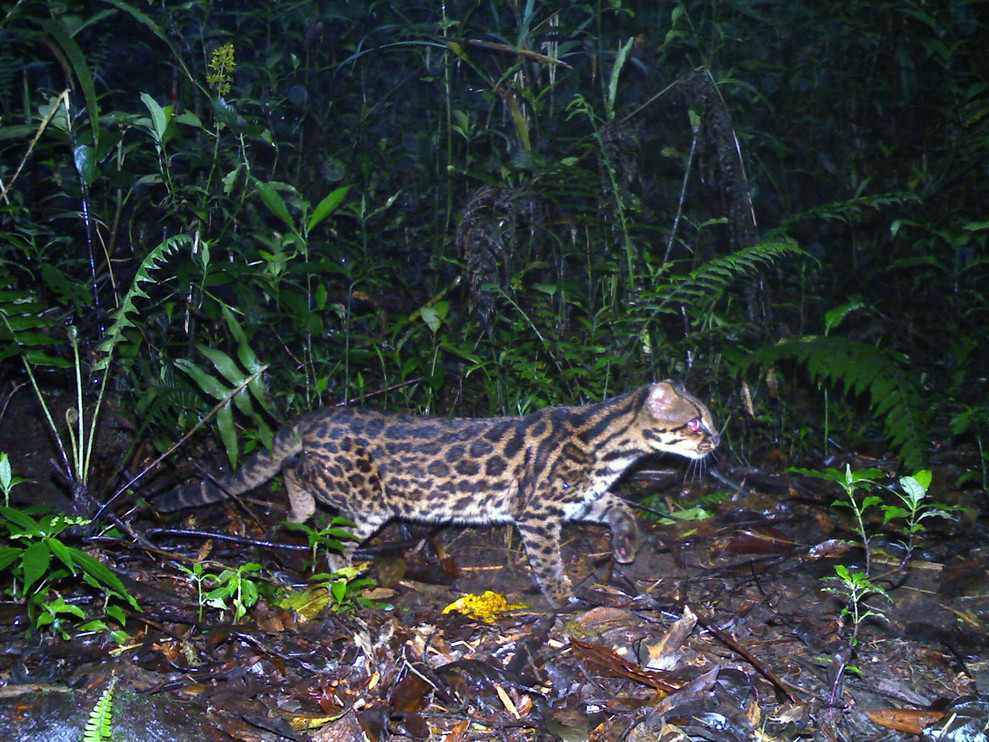
Northern oncilla ©Amaia Autor/Panthera 
Northern oncilla ©Amaia Autor/Panthera

Where They Live: Central and South America  

IUCN Conservation Status: Vulnerable 

The northern oncilla (Leopardus tigrinus) is a stealthy and elusive wild cat that ranges from Central America into parts of northern and central South America, including high-elevation and savanna habitats. Weighing on average 4 to 6 pounds, it is one of the smallest wild cats in the Americas. As a small carnivore in its range, it helps maintain healthy prey populations. Habitat destruction and the illegal pet trade pose major threats to this small feline. Recent research has proposed recognizing the clouded tiger cat (Leopardus pardinoides) as a distinct species within the tiger cat complex; IUCN assessments may not yet fully reflect this taxonomy. 

4. Flat-Headed Cat  

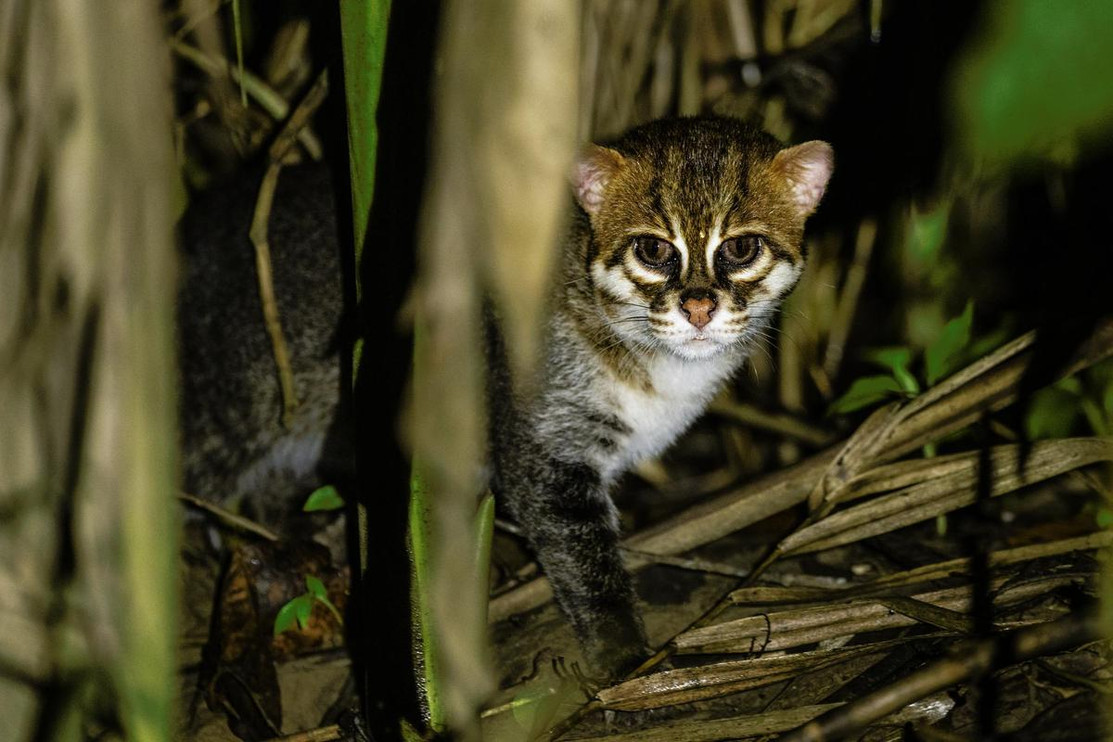
Flat-headed cat ©Sebastian Kennerknecht/Panthera 
Flat-headed cat ©Sebastian Kennerknecht/Panthera

Where They Live: Thai-Malay Peninsula, Sumatra and Borneo  

IUCN Conservation Status: Endangered 

Unlike most cats, the flat-headed cat (Prionailurus planiceps) is an excellent swimmer that relies on wetlands and rivers for survival. Weighing approximately between 3.3 and 4.9 pounds, it primarily hunts fish, frogs and small aquatic creatures, making it an important player in wetland ecosystems. Pollution and habitat destruction are rapidly decreasing its numbers, making conservation efforts urgent. Panthera recently confirmed the presence of the flat-headed cat in Thailand's Princess Sirindhorn Wildlife Sanctuary after nearly 30 years without a recorded sighting — a significant milestone for the species' conservation. 

5. Fishing Cat 

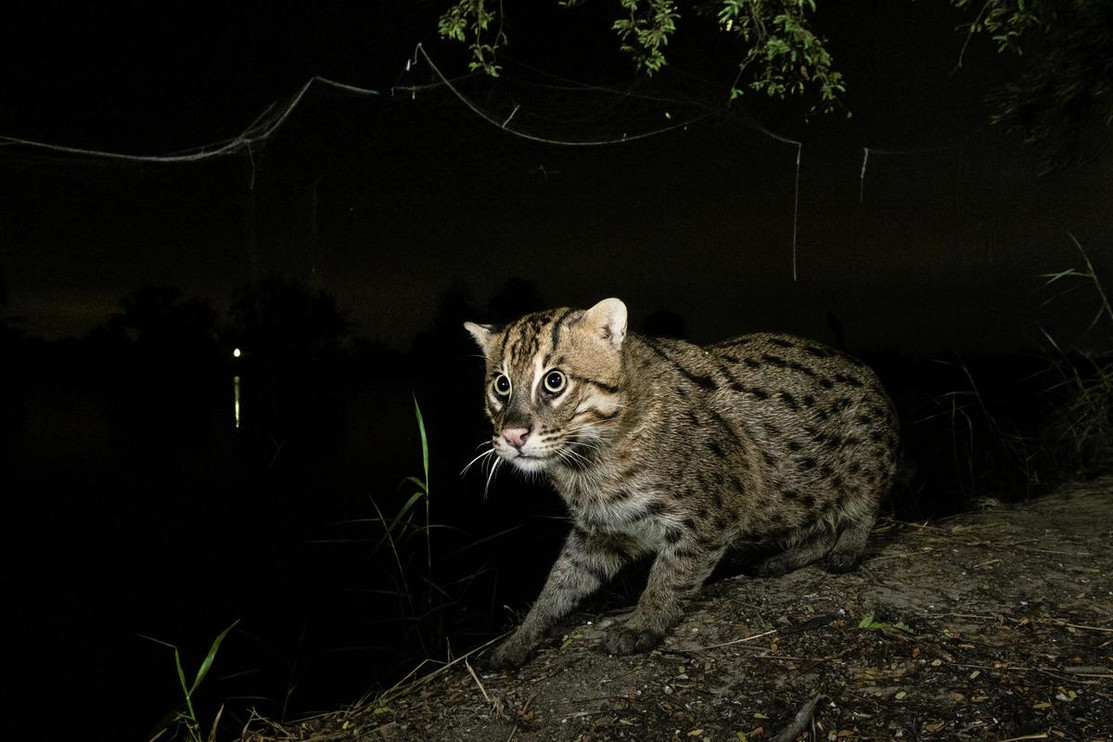
Fishing cat ©Sebastian Kennerknecht/Panthera 
Fishing cat ©Sebastian Kennerknecht/Panthera

Where They Live: South and Southeast Asia  

IUCN Conservation Status: Vulnerable 

True to its name, the fishing cat (Prionailurus viverrinus) is a skilled swimmer that thrives in wetland habitats, hunting fish, amphibians and crustaceans. The fishing cat weighs approximately 11 to 35 pounds. As wetlands disappear due to development and pollution, so does this remarkable cat. Panthera is actively working to protect fishing cats and their habitats, collaborating with conservationists and local communities to safeguard vital wetland ecosystems. 

Small Wild Cats Deserve the Spotlight 

Lions and tigers are always in the spotlight, but small wild cats are just as fierce, fascinating and vital to our planet. These small hunters play an outsized role in keeping ecosystems in balance — yet they often go unnoticed. 

Small wild cats face threats including habitat loss and fragmentation, wetland degradation, persecution, illegal trade and conflict with people. By supporting conservation efforts, we can ensure these cats continue to thrive in the wild. Join Panthera in protecting small wild cats and their habitats — because even the smallest wild cat can have the biggest impact. 

Curious about other small cats? Read our Small Cat Spotlight collection