


Flat-headed Cats Rediscovered in Thailand After Nearly Three Decades

By Panthera

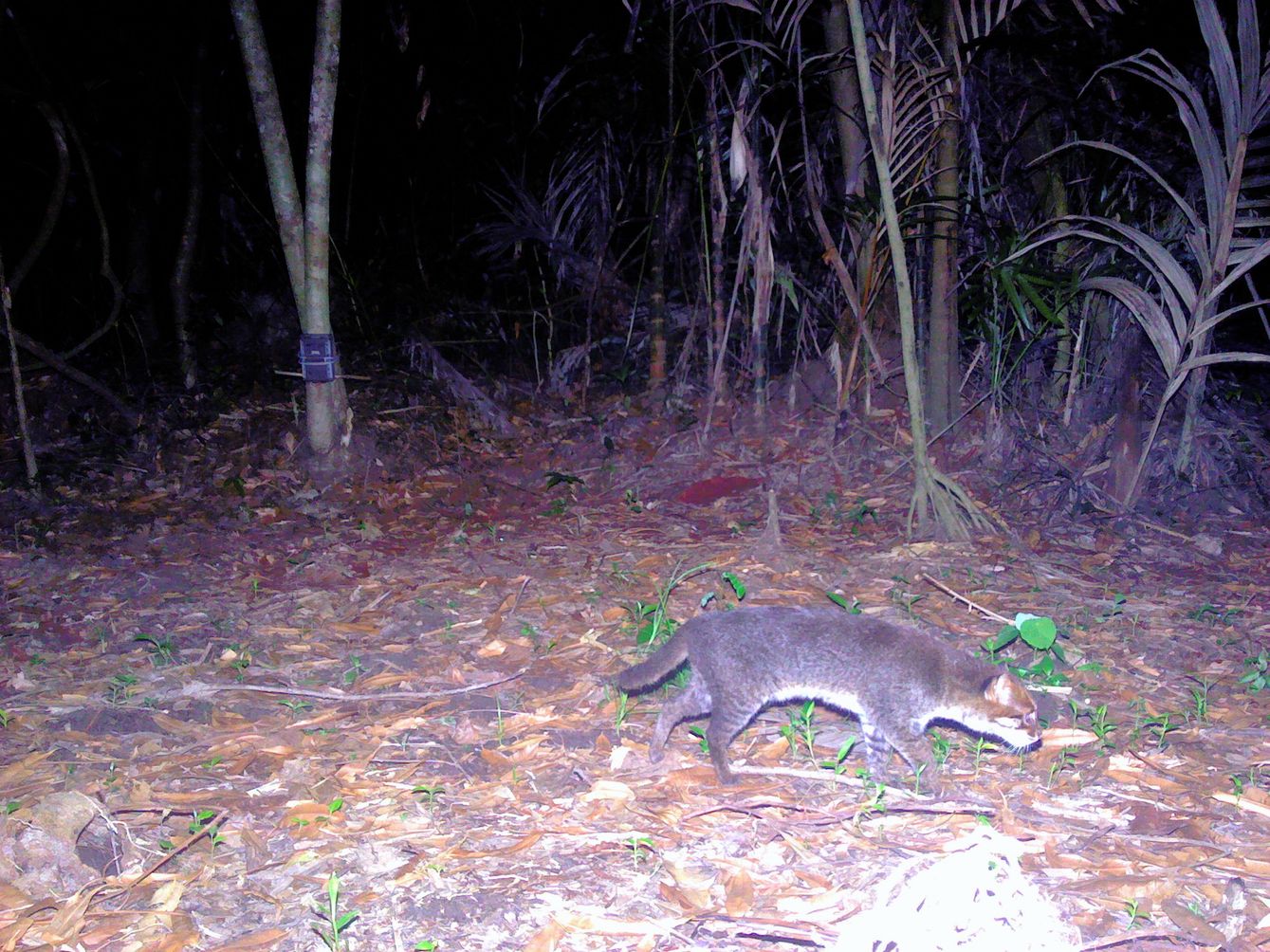
Flat-headed cat
©DNP/Panthera Thailand

In 1995, the world was changing — new technologies were reshaping how people connected, global marketplaces were emerging. It was also the last time the endangered flat-headed cat was detected in Thailand — until now.  
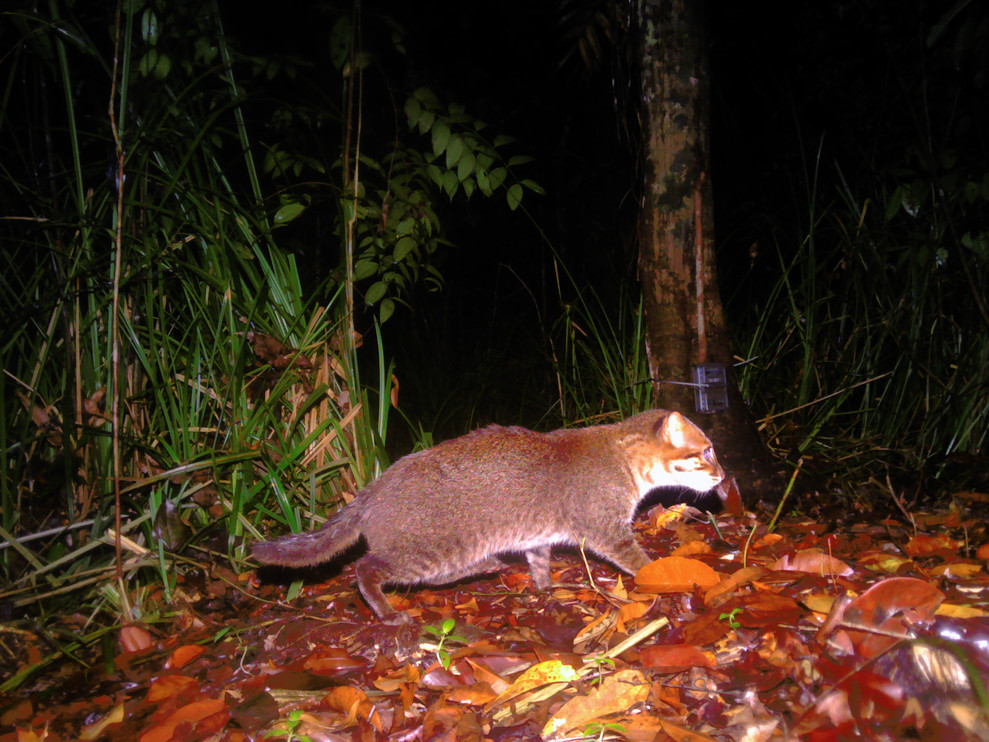
Camera trap surveys conducted by Thailand’s Department of National Parks, Wildlife and Plant Conservation (DNP), in collaboration with Panthera Thailand, confirmed the presence of flat-headed cats in Thailand for the first time in 29 years. Among the images is a female flat-headed cat with her cub — a significant finding confirming not only survival but ongoing reproduction. 

For decades, the flat-headed cat was classified as likely extinct in Thailand, said Athapol Charoenshunsa, director general of DNP. After years of protection, strong scientific partnerships, and community stewardship, we can celebrate its return. The flat-headed cat’s resurgence is a reminder that when we safeguard our natural heritage, we safeguard our nation’s wild habitats and future.  
 

Flat-headed cat
Flat-headed cats are among the most threatened and least understood wild cats in the world. ©DNP/Panthera Thailand 

 A Comeback for Thailand’s Flat-headed Cats 

With only about 2,500 adults remaining worldwide, flat-headed cats are among the most threatened and least understood wild cats in the world. Named for their flattened forehead and elongated skull, these small wild cats weigh less than half a typical domestic cat. They have short, tubular bodies, slender legs, and stubby tails, and their webbed toes make them agile hunters in wetlands and peat swamps, where they hunt aquatic prey in some of the most threatened ecosystems in Southeast Asia. 
 
Flat-headed cats are highly threatened by habitat loss, fishing, agricultural encroachment, hunting, waterway pollution, and diseases from domestic animals. Competition for habitat also forces them into remote, undisturbed areas.  
 
Their small size, low numbers, and remote homes make flat-headed cats notoriously difficult to study. These recent detections result from sustained protection efforts, long-term collaboration, and systematic monitoring. Camera traps recorded 13 sightings in 2024 and 16 more in 2025 — the largest flat-headed cat survey ever conducted.  
 
 “After nearly three decades, this rediscovery shows what’s possible when science and strong protection come together,” said Kritsana Kaewplang, Panthera Thailand Country Director. “These habitats are among the most biodiverse and threatened in the country, yet they continue to surprise us with their resilience. We’re eager to expand this research and strengthen conservation measures in these vital habitats.”