


The Search for Brazil's Forgotten Wild Cat

By Panthera

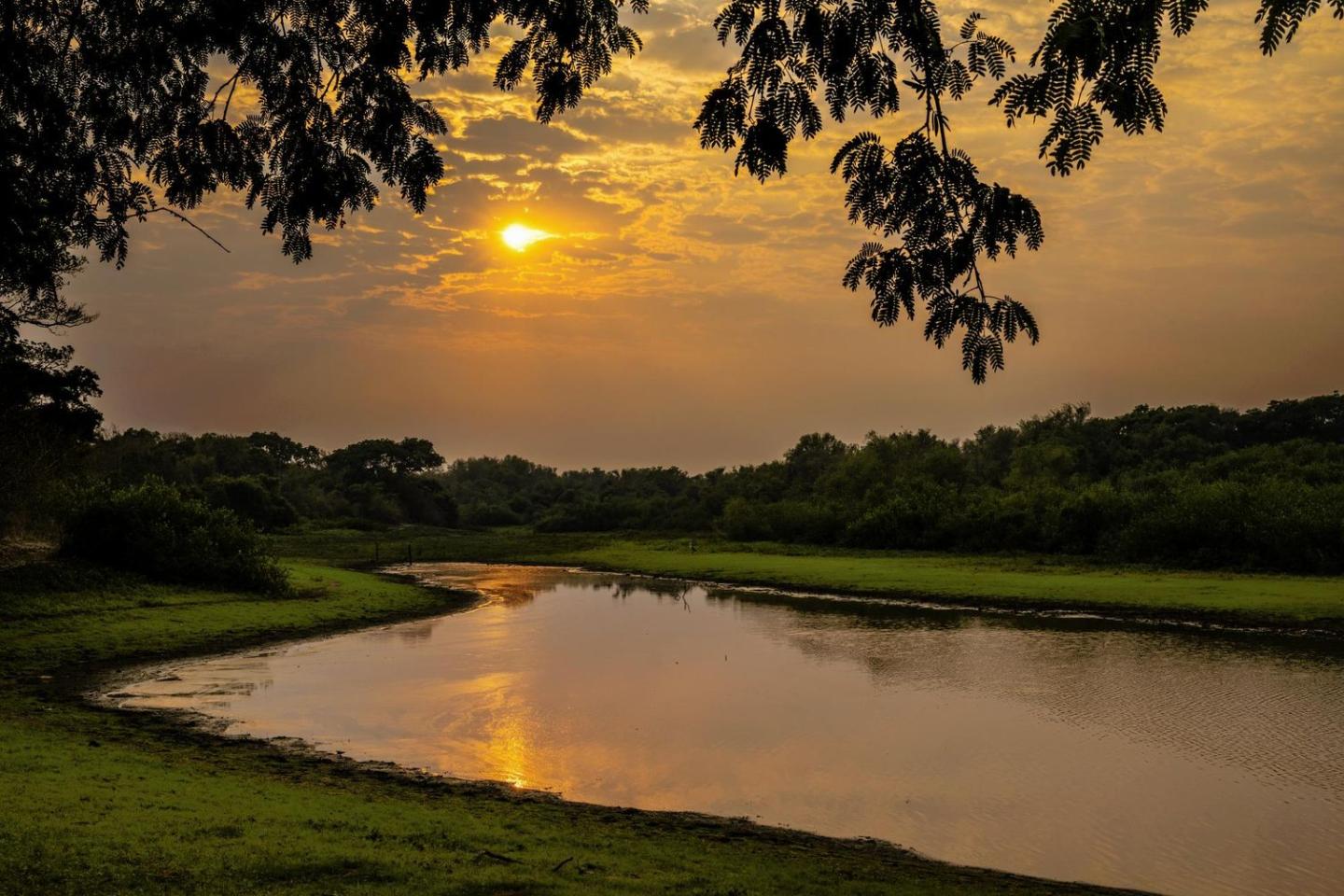
Sunrise over a lagoon in Brazil
© Sebastian Kennerknecht

In Saudi Arabia, Panthera and the Royal Commission for AlUla are working to return the Arabian leopard to a landscape where its absence is still felt. In Honduras, collared peccaries are thriving in a park where they had been gone for nearly two decades.

Both efforts are examples of conservation translocation — the deliberate, years-long process of returning lost species to places they once called home. It is painstaking work: securing release sites, rebuilding prey populations, earning community trust and monitoring wildlife long before and after any animal is released.

These efforts share another common foundation: Researchers knew which species belonged in the landscape and had a clear path toward bringing it back. Brazil is different. Here, the science of what was lost is still being uncovered — and the work of determining whether and how to restore it is just beginning.

What a Shell Mound Reveals About a Vanished Cat

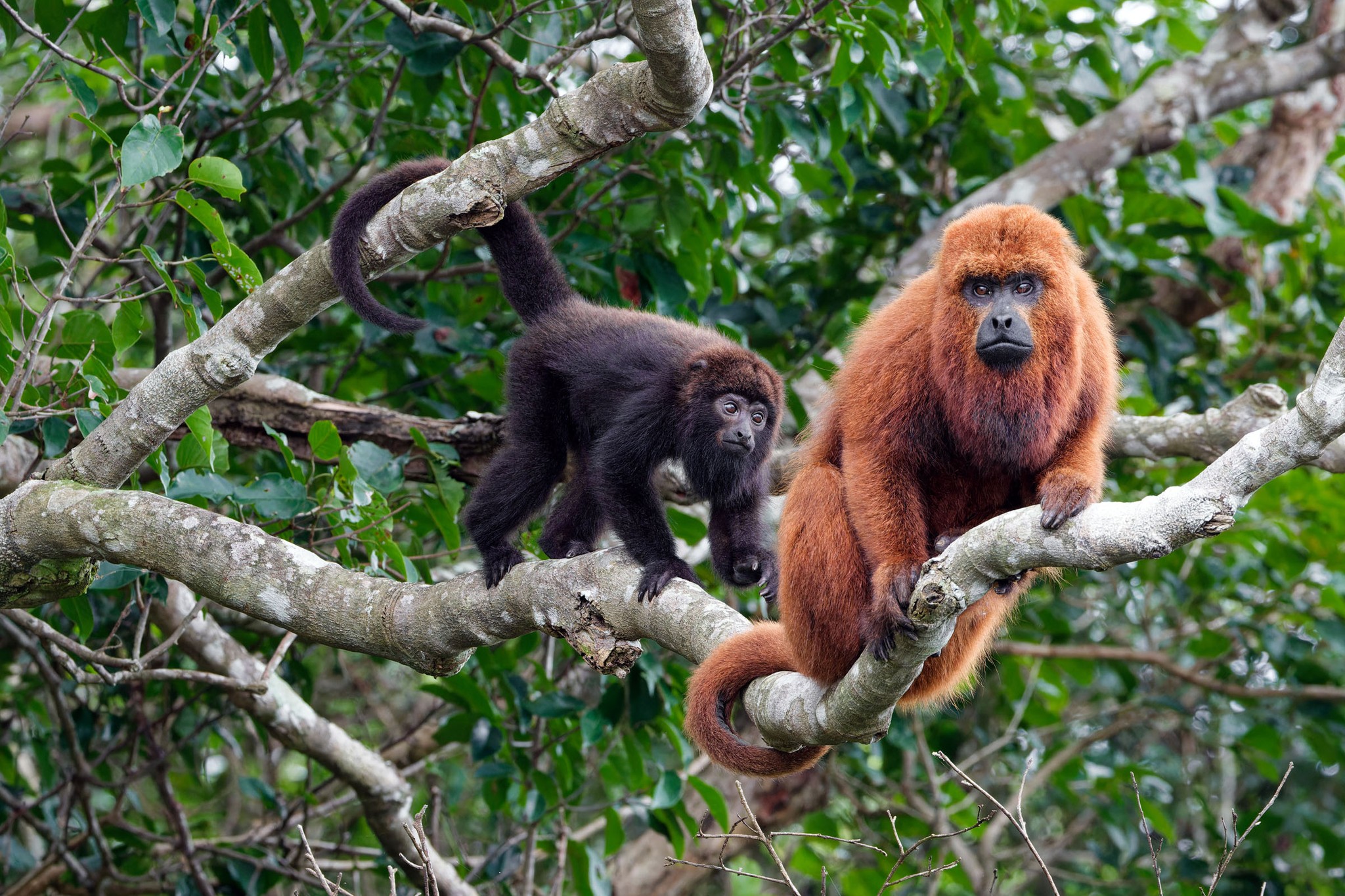
Instituto Fauna Brazil has been a leader in terms of conservation translocations of vinaceous-breasted amazon parrots and, on Santa Catarina Island, of brown howler monkeys. Now Panthera is joining as a partner to explore potential reintroductions of small cats on the island. 

Howler monkeys
Howler Monkeys successfully reintroduced to santa catarina island. ©  Daniel de Granville.

The question, though, is whether small cats ever lived there at all. The first clue came not from a remote camera or a field survey, but from ancient shell mounds — refuse piles left by Indigenous peoples — where bone fragments suggest that small cats once shared this landscape. Remote camera surveys now indicate it is extremely unlikely any remain there today.

Analysis of those bone fragments points to a specific threatened species: the Atlantic Forest tiger cat (Leopardus guttulus), recognized as a distinct species only recently. This small, nocturnal felid is native to Brazil's Atlantic Forest, one of the most threatened ecosystems on Earth. Weighing little more than a house cat and recognized by its boldly spotted coat, the species has lost more than half of its historic range to habitat loss and deforestation. On Santa Catarina Island, the reasons for extinction were likely past over hunting and habitat loss, but both of these threats are now abated. 

Identifying the species matters enormously. Central and South America are home to nine small cat species, and an accurate reintroduction depends on returning the right one.

Instituto Fauna Brasil has also been surveying community members to understand local attitudes toward a potential return of small cats, a step that must happen long before any animal is potentially released.

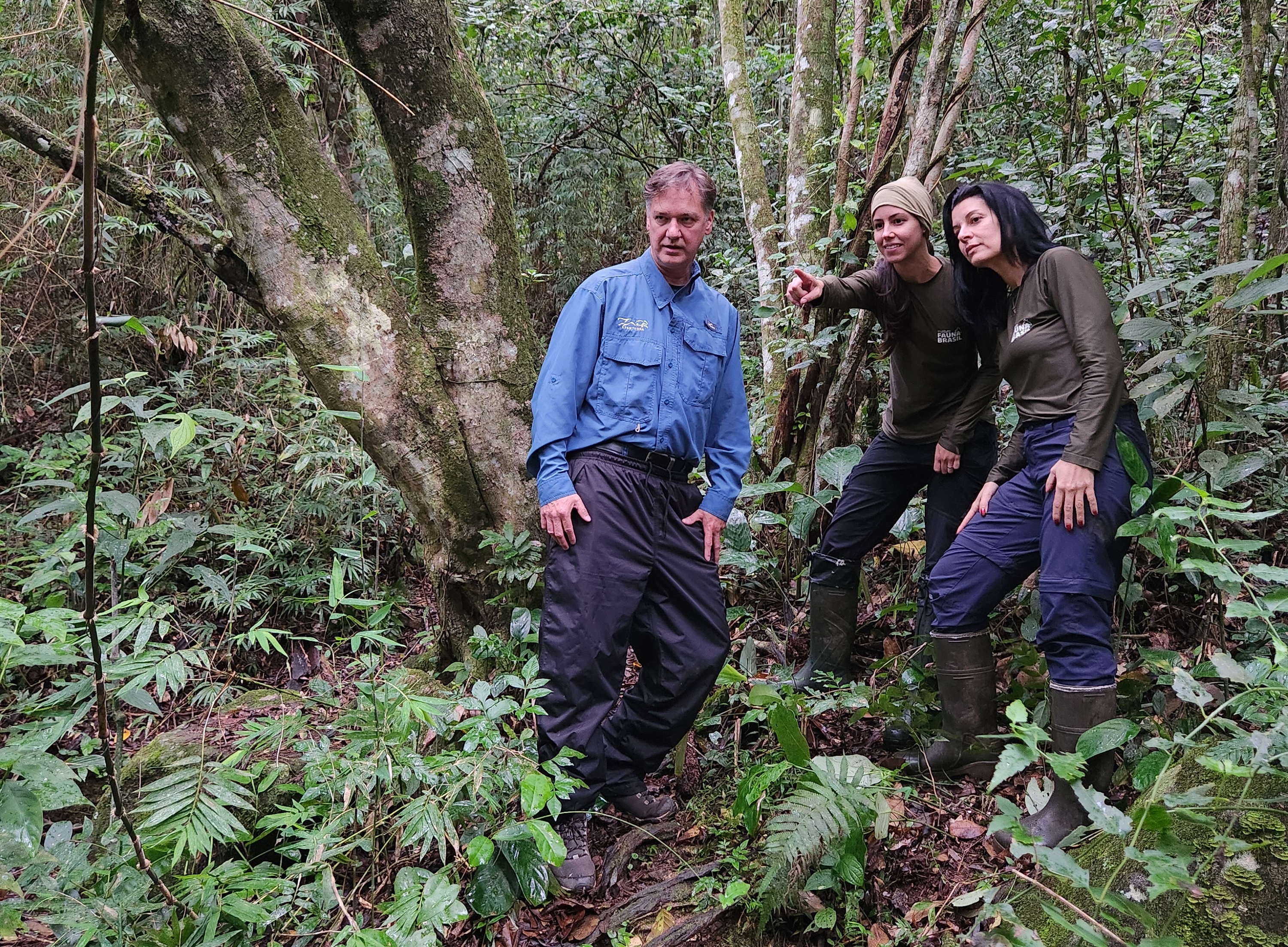
Panthera and Instituto Fauna Brasil researchers in the field
Panthera and Instituto Fauna Brasil researchers in the field. © Vanessa Kanaan.  

A Blueprint for Restoring Balance

Panthera is building on previous collaborations with Refauna in Rio de Janeiro and analyzing data to determine whether reinforcing or reintroducing conservation-dependent small cats would be advantageous for the species and ecosystems.

Both potential projects follow five steps that could become a model for small cat translocation worldwide:

  1. Confirm historical presence. Establish that the species lived in the target area.
  2. Identify the species. Determine precisely which species was present.
  3. Assess threats: Determine if historic threats, and new ones, are mitigated. 
  4. Verify prey availability. Confirm that sufficient prey exists to support a returned or strengthened population. 
  5. Engage local communities. Achieve broad community support for the species' return.

The stakes are high. The Atlantic Forest has lost much of its wildlife to five centuries of deforestation, hunting and habitat fragmentation. Those losses don't stay contained. When carnivores and seed dispersers disappear, entire ecological systems begin to unravel. Seeds go undispersed, soil communities shift and carbon storage declines.

Refauna has already demonstrated what restoration can look like in practice, successfully reintroducing agoutis and howler monkeys to Tijuca National Park in Rio de Janeiro and restoring ecological interactions that had been absent for over a century. Panthera's collaboration builds on that foundation, bringing small cat expertise to an initiative with a proven track record of science-led recovery.

These projects are still in their early stages, but that is precisely what makes them significant. They are building the scientific and community foundation that all future reintroductions require — carefully, rigorously, without shortcuts.

Hope for the Future of Wild Cats

Across Honduras, Saudi Arabia and Brazil, the thread connecting Panthera's work is the same: Protect wild cats, and you protect the world they inhabit. The loss of an apex carnivore is never just the loss of one species. It is the beginning of an unraveling that touches every part of the ecosystem.

But the science of translocation offers a way to reverse that unraveling.

"When done right, conservation translocations allow us to imagine recovered species and ecosystems. They inspire hope for the future of wild cats."

– Axel Moehrenschlager, Director of Panthera's Small Cats Program and Conservation Translocation

In Honduras, that hope is running through 17 square kilometers of recovered forest. In Saudi Arabia, it is etched into the mountains where the Arabian leopard once roamed and is being rebuilt with predator-proof enclosures. In Brazil, it is taking shape in bone fragments and community surveys — the quiet, careful beginning of something that could one day change a landscape.

Recovery is possible. Panthera is proving it, one species at a time.

This is the third installment of a three-part series on conservation translocation. Read about Panthera's impact in Honduras and Saudi Arabia.