


From the Lab to the Savanna: How One Conservationist is Helping Lions Reclaim Their Range

By Panthera

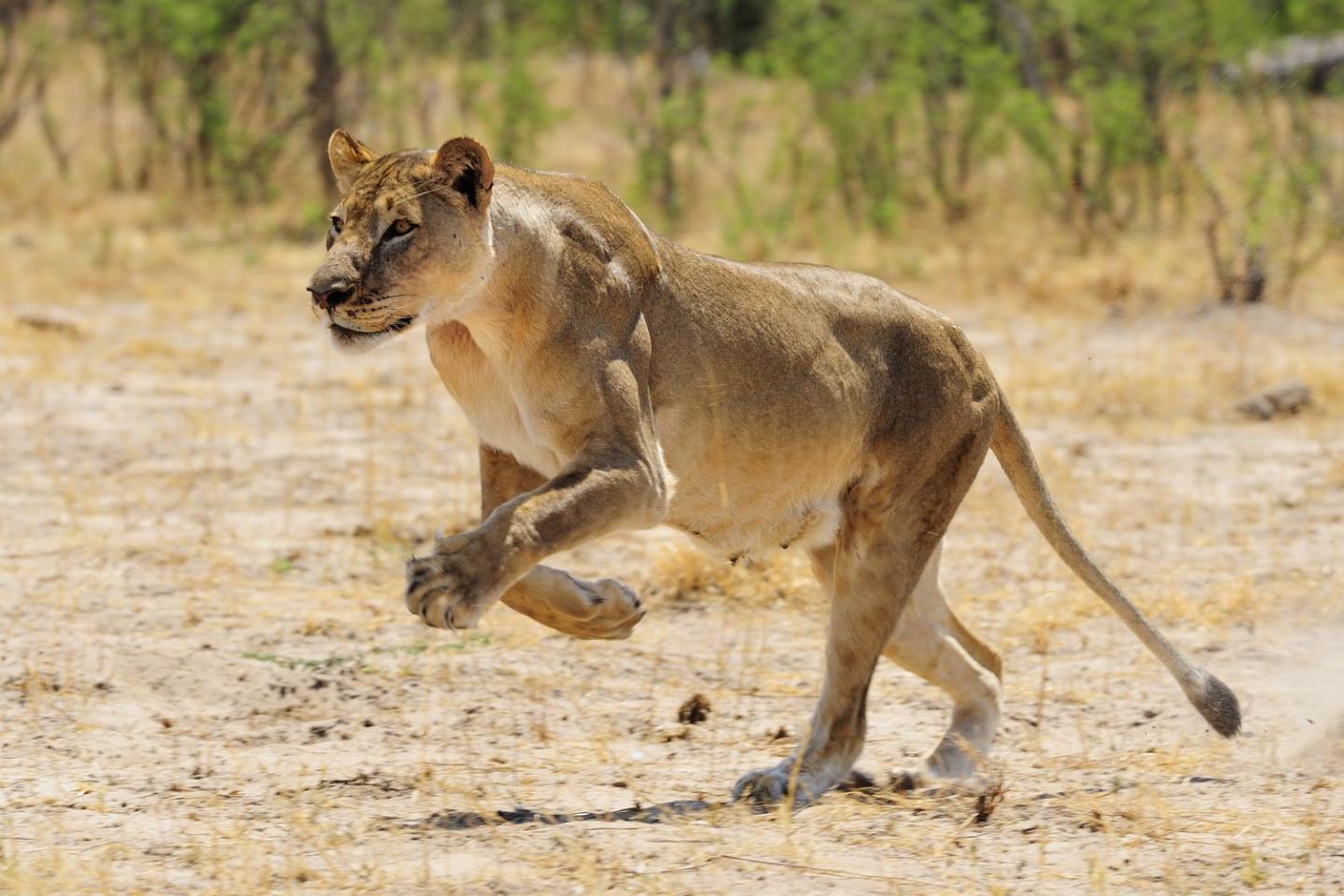
A lioness in Hwange National Park, Zimbabwe
© Stéphanie Périquet-Pearce

It started with a single lioness. Stéphanie Périquet-Pearce, Ph.D., was 14 years old when her family took a road trip to Namibia, and spotting that lioness in the wild set the course of her career. Decades later, she is a conservation scientist on Panthera's Lion Program team, helping to protect one of the world's most celebrated and imperiled carnivores. 

Stéphanie's academic training began in molecular and cellular biology in France, far from the savanna. A master's degree pivoted her toward ecology — learning in the field in Zimbabwe — and a doctorate deepened her expertise in large carnivores. Now based in South Africa, she works to reverse population declines, maintain genetic diversity and protect lions across Africa. 

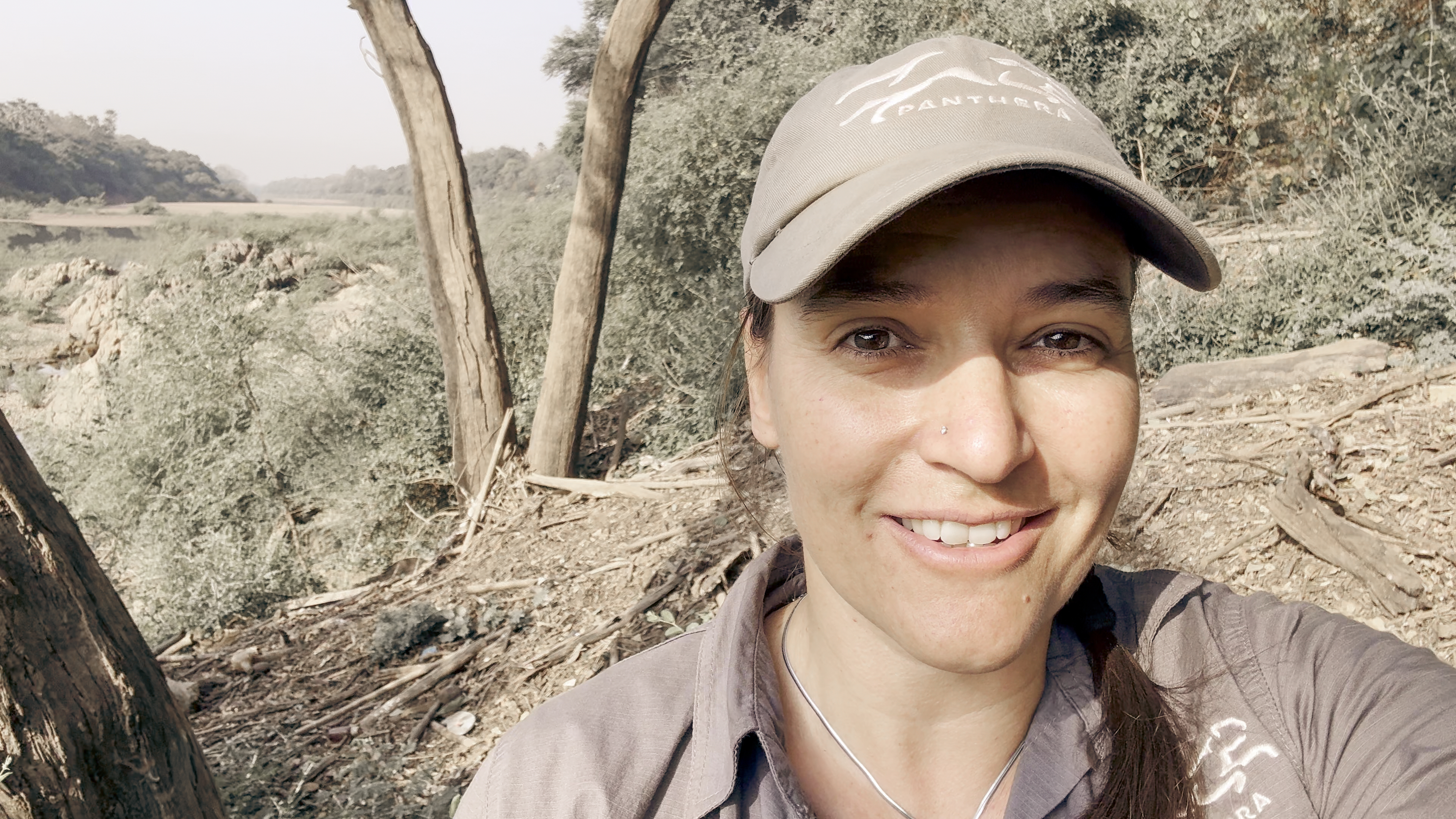
Stéphanie Périquet-Pearce
© Stéphanie Périquet-Pearce

A Day in the Life of a Lion Conservationist

Ask most people to picture a lion conservationist's day, and they will likely imagine predawn drives, radio collars and the low rumble of lions in tall grass. The reality is more nuanced and demanding. 

“People think we spend our days and nights in the field with lions, but a lot of planning and decision-making is done remotely,” Stéphanie explains. 

Much of her work involves ensuring that data collected across Panthera's lion sites is scientifically sound — surveys designed rigorously, population trends defensible, conservation actions effective.  

She is candid about the personal costs: “It's not all glamorous. It's amazing and rewarding. But it's also hard.” 

What keeps her going? Site visits — the chance to reconnect with ecosystems and teams on the ground.  

“Visiting places where very few people go is one of the most rewarding parts of the job. What I love is figuring out how we can protect them — and when it works.” 

Panthera's Work to Protect Lions 

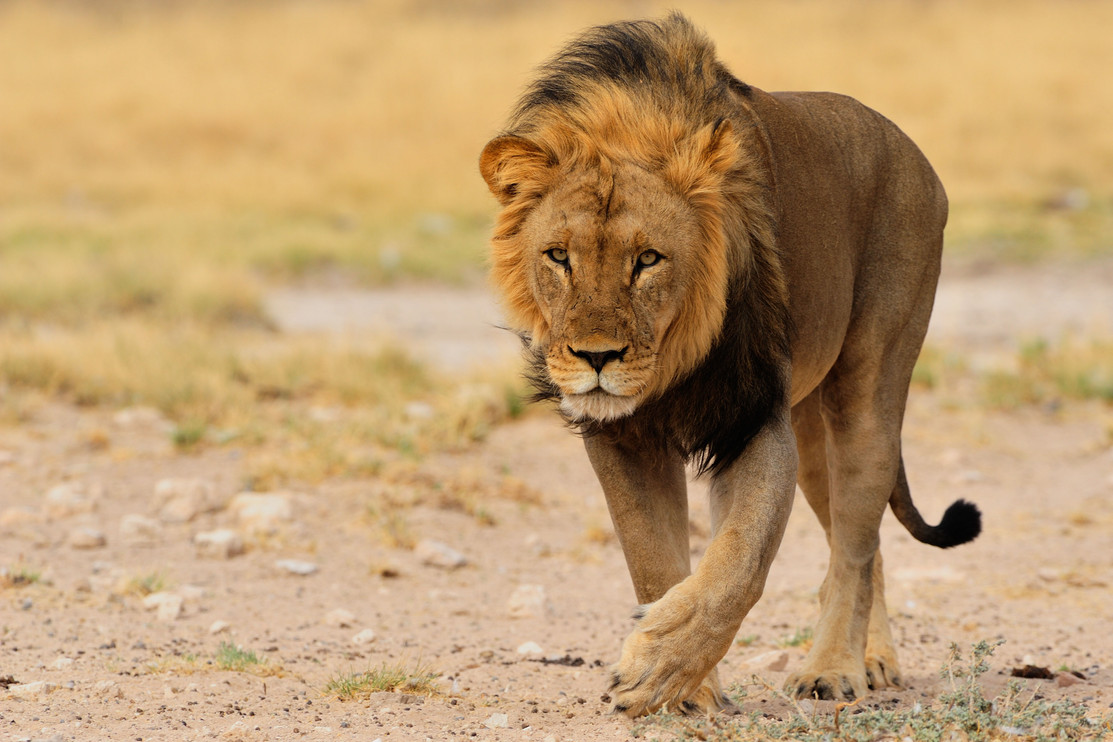
A male lion in Kalahari Desert, Botswana
A male lion in Kalahari Desert, Botswana. © Stéphanie Périquet-Pearce.

Lions face three major threats: prey depletion, habitat loss and fragmentation as human land use expands, and human-wildlife conflict, where lions that kill livestock are killed in retaliation through shooting, poison and snares.  

An emerging concern is the targeted killing of lions for the illegal body parts trade.  

“It's growing, and we don't fully understand the extent because it's very difficult to track,” Stéphanie says. 

Panthera's Lion Program works in coordination with our interdisciplinary Counter Wildlife Crime team to understand threats to lions and develop coordinated interventions to reduce impacts to the species. 

The good news: Lions are resilient. “If you protect the prey and the landscapes, lions do well," she says. 

Panthera's goal is to restore, secure and protect lion populations across at least eight significant landscapes by 2030. So far, the program has focused on five priority areas — in Senegal, Gabon, Zambia, Zimbabwe and Tanzania — partnering with national governments to strengthen protected area management, support law enforcement and lay the groundwork for lasting recovery. 

How We Measure Success 

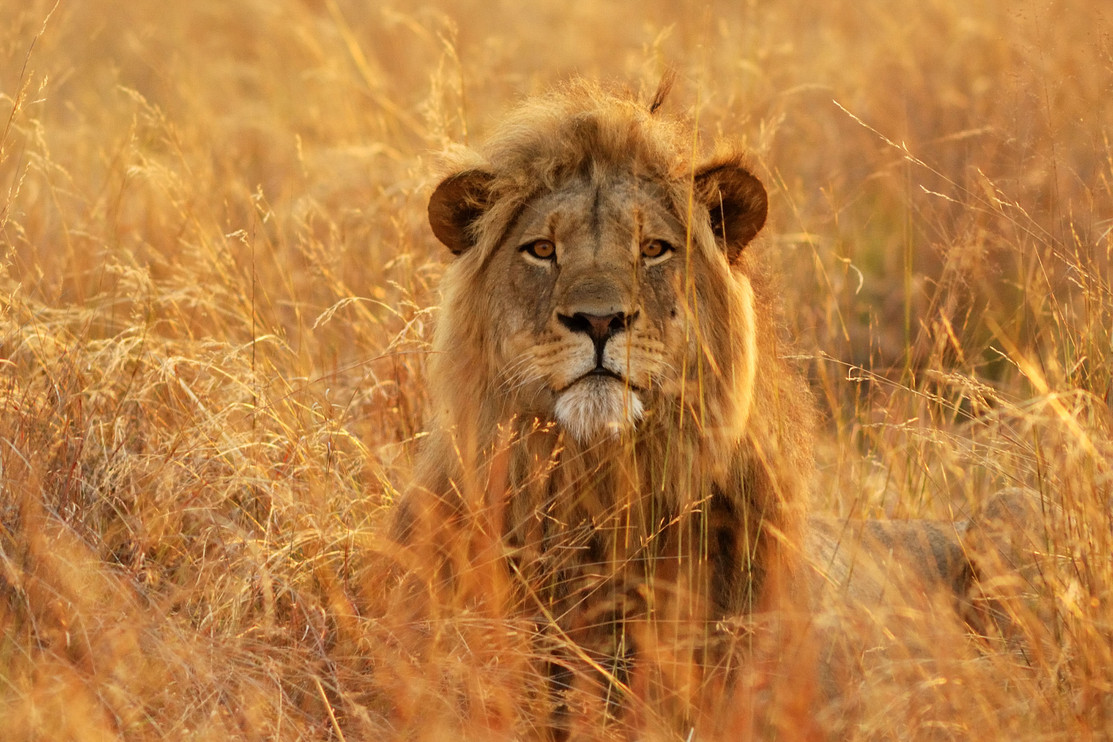
A male lion in Hwange National Park, Zimbabwe.
A male lion in Hwange National Park, Zimbabwe. © Stéphanie Périquet-Pearce. 

Progress in lion conservation looks like cubs surviving their first years, males safely traversing vast distances to find mates and prides establishing stable ranges. Perhaps most importantly, it's measured by human tolerance of lions. Retaliatory killing can be reduced through community engagement, improved livestock husbandry, lion guardians who deter predators from villages, and collar technology that alerts herders when lions are close. 

Science, Stéphanie reminds us, is never truly finished.  

“There's a lot of mistrust toward science, which is understandable. With new data, we adjust. We do the best we can, and when we know better, we'll do better.” 

That spirit of honest, persistent effort defines Panthera's culture, too.  

“Everyone here is dedicated and passionate about their work. There's a lot we can't control, but we can guarantee that what we do, we do with all our heart.” 

We Go in for Lions. We Stay for the Ecosystem. 

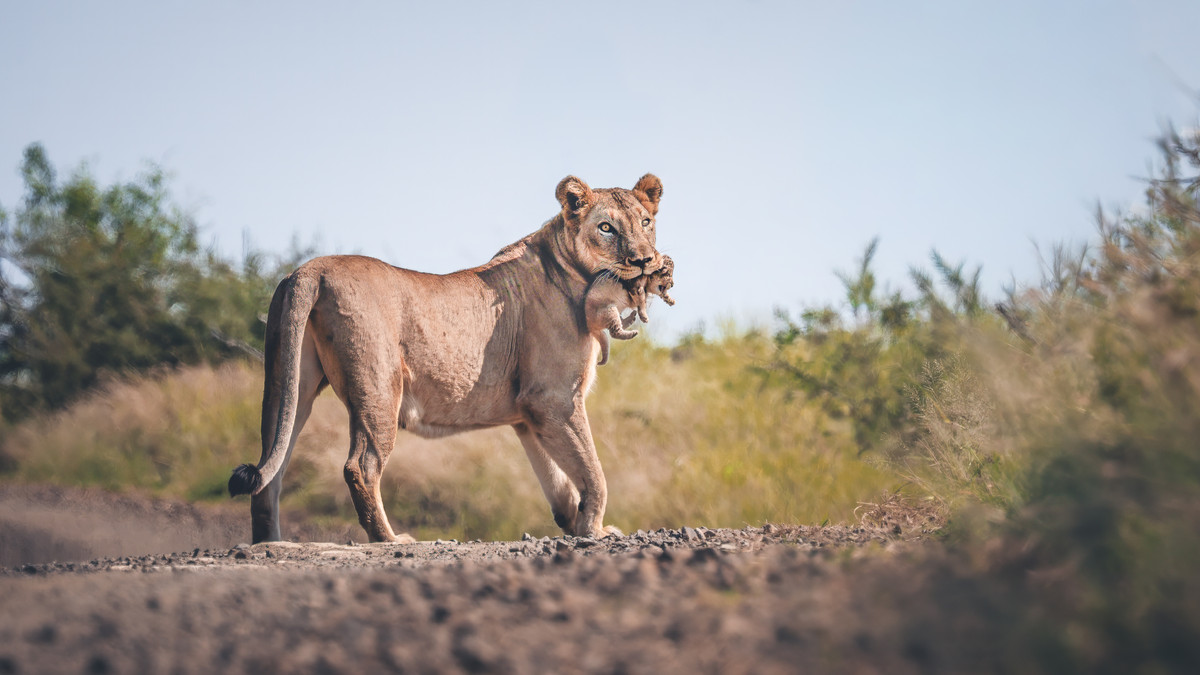
A lioness carries her cub in Kruger National Park, South Africa.
A lioness carries her cub in Kruger National Park, South Africa. © Stéphanie Périquet-Pearce.

There is a moment Stéphanie returns to: her first visit to Senegal, and seeing a single West African lioness calling for a pride mate from within a dense palm forest.  

“As ecologists, we like to think in populations, not individuals. But knowing that she is just one of 40 left in Senegal was profound,” she reflects. 

Fewer than 400 lions remain in that population — only around 250 mature adults. Small, isolated populations are often genetically unique. Once lost, they cannot be recovered. 

“We go in for lions, but we stay for the ecosystem,” Stéphanie says. “By protecting wild cats, we're protecting all species that share the ecosystem: prey, smaller carnivores, birds, insects, invertebrates and plant biodiversity.” 

“The biggest threat to wild cats is humans,” she adds. “The only component we can change radically and quickly is human behavior — and until we accept that, we won't make an impact.” 

That is, ultimately, what gives her hope. “The more people who are educated and willing to do something, the more optimistic I become.” 

The people behind Panthera's Lion Program show up every day for these remarkable wild cats and the ecosystems that depend on them. Learn about their work and how you can be part of it

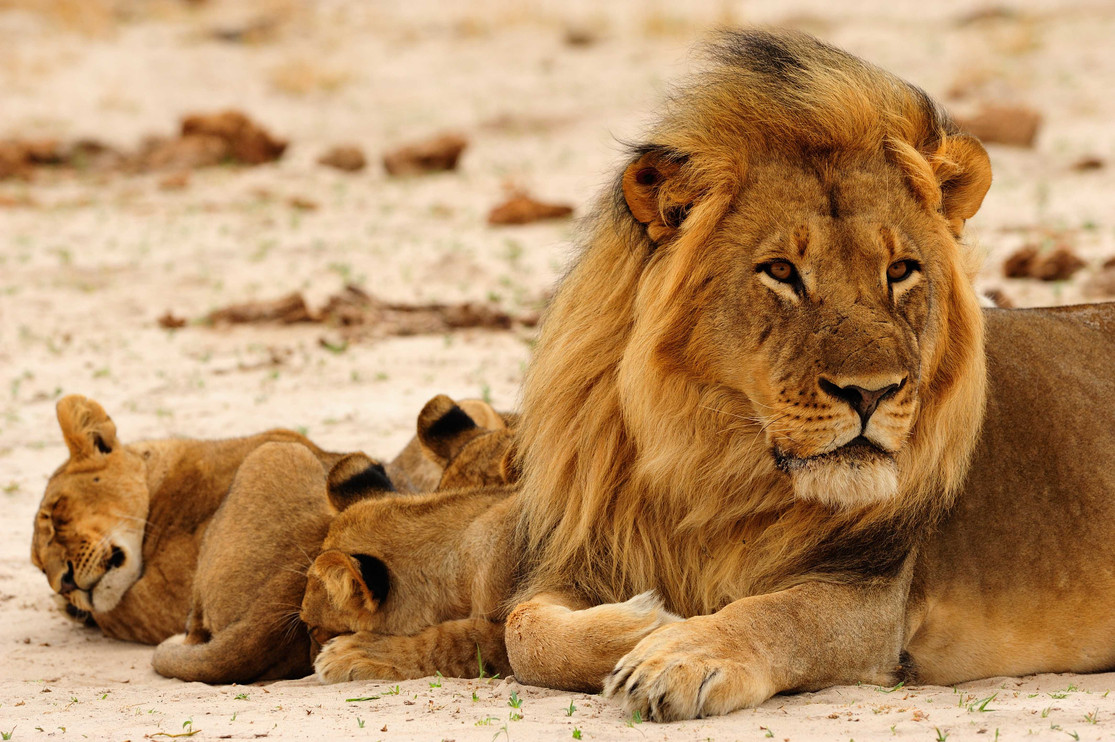
Lions in Hwange National Park, Zimbabwe.
Lions in Hwange National Park, Zimbabwe. © Stéphanie Périquet-Pearce.