


Early Warnings: What New Research Signals for the Future of Africa’s Lions

By Panthera

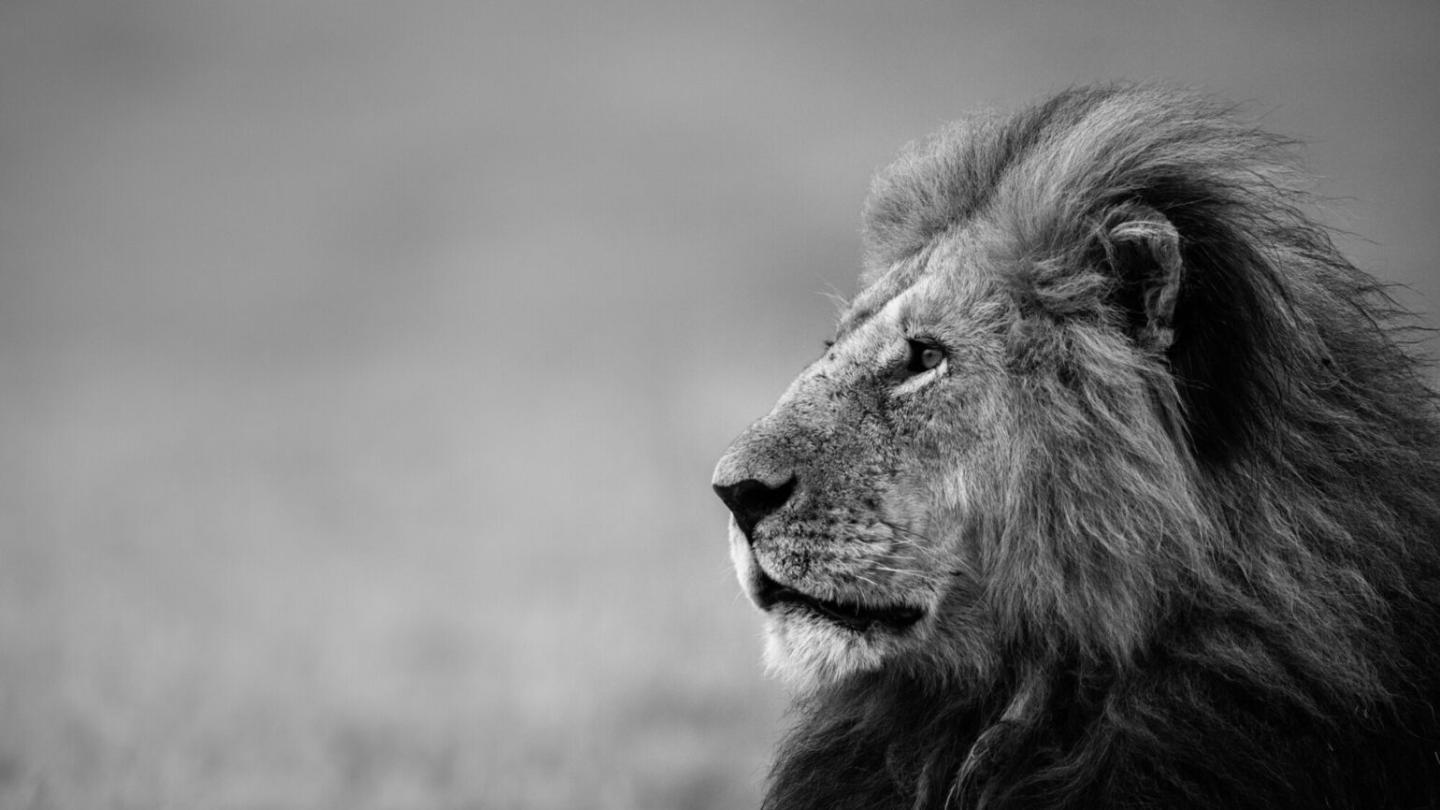
A male lion
© Andrew Beck

For decades, African lions have faced threats including habitat loss, human conflict and declining prey. But a recent study warns that without urgent action, a newer and poorly understood threat — targeted poaching of lions for their body parts, particularly their claws, teeth and skins — could pose an existential threat to the species. 

Panthera staff from the Counter Wildlife Crime program and Lion Species program were among the experts from a multitude of organizations, including civil society, academia and governments who contributed to this eye-opening publication. This research found that the growing, organized trade in lion body parts is driven by cultural, spiritual and commercial demand in Africa and Southeast Asia. In some cases lions are being lured with poisoned carcasses, a tactic that can quickly devastate entire prides, vultures and other scavengers and compounds other threats. 

Read on to learn how Panthera works to recognize early signs of this emerging threat and develop interventions before it becomes a global crisis. 

Early Signs of Growing Wildlife Trade 

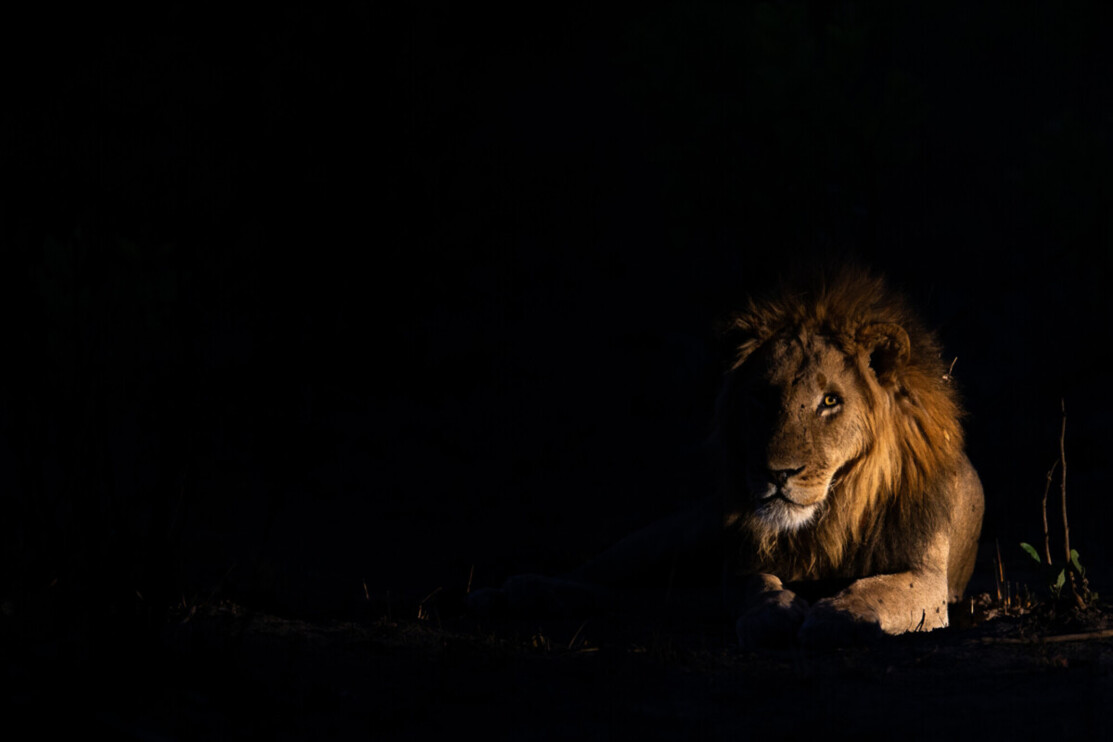
A male lion
A male lion at night. © Andrew Beck

According to the study, a coordinated, multi-pronged response, including the priority actions summarized below, are strong defenses against emerging wildlife trade. Across regions, trafficking networks can expand quickly once supply chains form.

The authors of the study identify six priority areas for action: 

  • Strengthening in-situ protection and monitoring of lions
  • Engaging communities as conservation partners 
  • Improving understanding of illegal trade networks 
  • Disrupting trafficking routes through intelligence-led enforcement 
  • Strengthening legal and judicial systems 
  • Reducing consumer demand for lion body parts through culturally informed behavior-change campaigns 

The demand for illegally obtained lion body parts is diverse and complex, making it particularly difficult to monitor and control. Convergence with other trades, such as elephant ivory, rhino horn and pangolin scales, reinforces the need for coordinated responses including the development of joint strategies and proactive, information-driven interventions. These priorities offer an urgent but actionable path forward.  

Turning Warnings into Action: Panthera’s Impact 

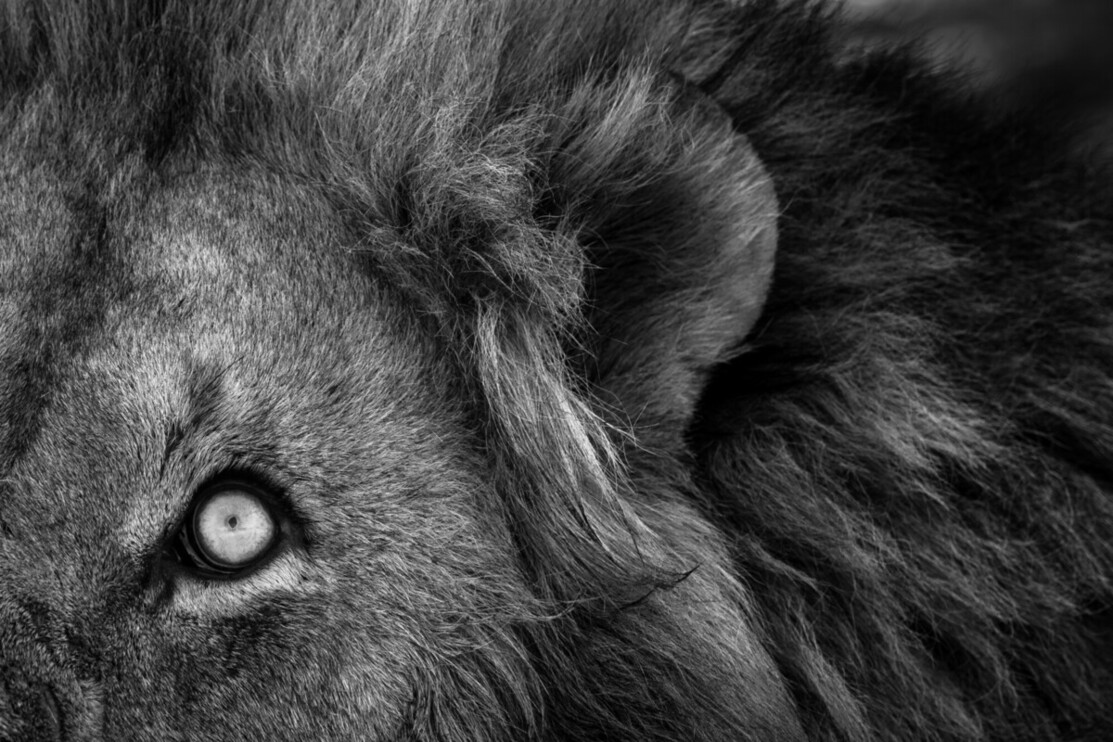
Close-up of a male lion
Close-up of a male lion. © Andrew Beck

To better understand and disrupt wildlife trafficking problems, Panthera combines research and monitoring to inform evidence-based approaches. Our teams use camera surveys to assess population changes and evaluate whether conservation efforts are working for lions and other wild cats. They also use advanced spatial modeling techniques and GPS collars to monitor individuals' movements and track when animals move into high-risk areas.

Beyond species monitoring, Panthera conducts crime research and analysis in collaboration with government and non-government partners to assist decision makers with understanding and prioritizing existing and emerging threats and implementing targeted and impactful interventions.

A central pillar of Panthera’s counter wildlife crime approach is strengthening multi-agency coordination to tackle specific crime problems, collectively building a coordinated and effective network and fostering sustained cooperation.  

We also partner with communities to understand the socio-economic drivers of poaching and illegal wildlife trade and co-develop sustainable solutions. By promoting alternative livelihoods, supporting conservation education and mitigating human-wildlife conflict, we work to reduce supply and demand for wildlife products. 

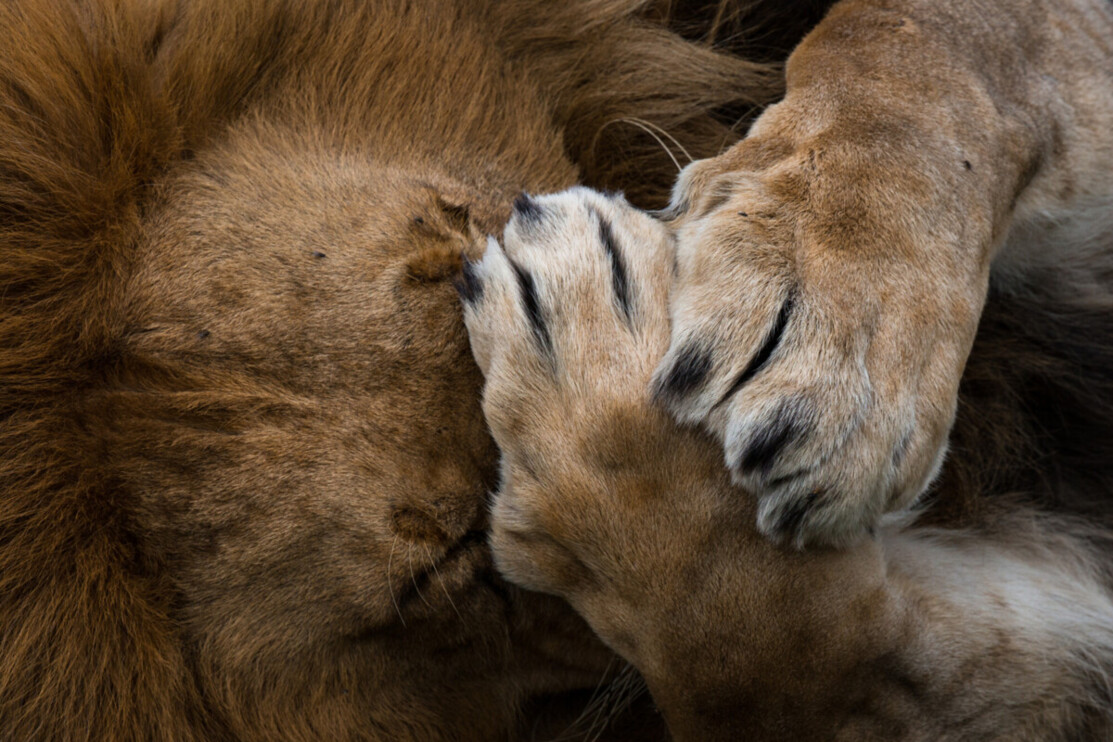
A lion covers its face with its paws
A lion covers its face with its paws. © Andrew Beck

Furs for Life 

In South Africa, Panthera’s Furs for Life program has significantly reduced demand for authentic leopard fur. After learning that over 15,000 authentic leopard fur garments were used by followers of the Shembe Church as ceremonial attire, Panthera partnered with church leaders to develop affordable, high-quality synthetic Heritage Furs to replace authentic fur garments.

With support from global partners, the program has supplied more than 19,000 capes to the Shembe religion — cutting the use of authentic leopard skins in ceremonies by half. The Furs for Life program has also successfully expanded to other countries, including Zambia, Mozambique and Malawi, where we were invited to partner with cultural groups to provide synthetic leopard, serval and lion mane garments as substitutes for authentic wild cat products used in traditional ceremonies. 

Protecting Senegal’s West African Lions 

Panthera has also partnered with government authorities in countries such as Senegal to provide technical and resourcing support to strengthen protected area management, including counter-poaching efforts. Senegal's Niokolo-Koba National Park is an area of outstanding global importance for the conservation of threatened, iconic wildlife. It harbors one of the only four remaining populations of West African lions, a distinct genetic clade, and what is likely the largest remaining population of leopards in West Africa.

In just a few years, Panthera’s partnership with the Directorate of National Parks (DPN) has contributed to significant increase in lion numbers as well as positive population trends for prey species.

From collaborating with governments, to training rangers, to co-developing community solutions, Panthera's global approach deepens our collective capacity to prevent and respond to illegal wildlife trade — helping secure a future for lions and other wild cats. 

How You Can Help Prevent Wildlife Crime 

With early detection, coordinated interventions and sustained global commitment, existing and emerging threats can be addressed before they define a species’ future. To help prevent poaching of lions and other wild cats, learn more about Panthera's Counter Wildlife Crime program. Your support helps protect these animals and the landscapes that depend on them.