


From Whiskers to Waypoints: Why Telemetry Collars Are Essential for Wild Cat Conservation

By Panthera

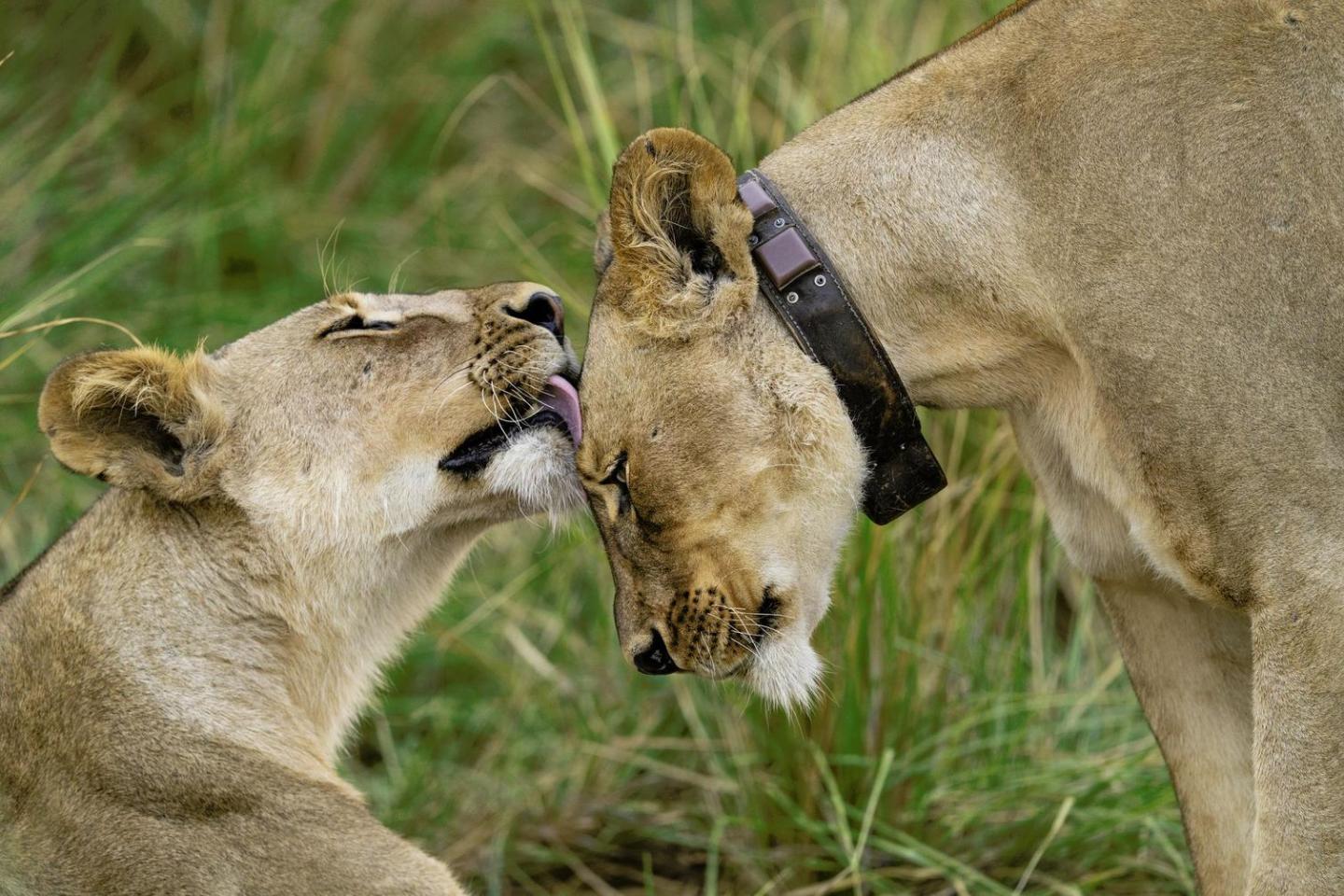
An uncollared lioness grooms a collared lioness
© Sebastian Kennerknecht

Wild cats are among the most elusive and threatened animals on Earth. Protecting them requires understanding them, and understanding them requires getting close to data that's nearly impossible to collect any other way.

Telemetry collars — which use radio, GPS and/or satellite technology to track animal movements — are one of the most powerful tools scientists have for collecting that data. They give scientists a window into individual movement patterns, habitat use, survival rates, reproduction and behavior — insights that directly inform the decisions that keep cats alive. Near real-time tracking can also help keep wild cats safe from threats such as snares. Collaring is a research method that involves handling wild animals, and the decision to use it is never taken lightly. Below, Panthera scientists answer the most common questions about how collaring works, when it's used and how it helps protect wild cats.

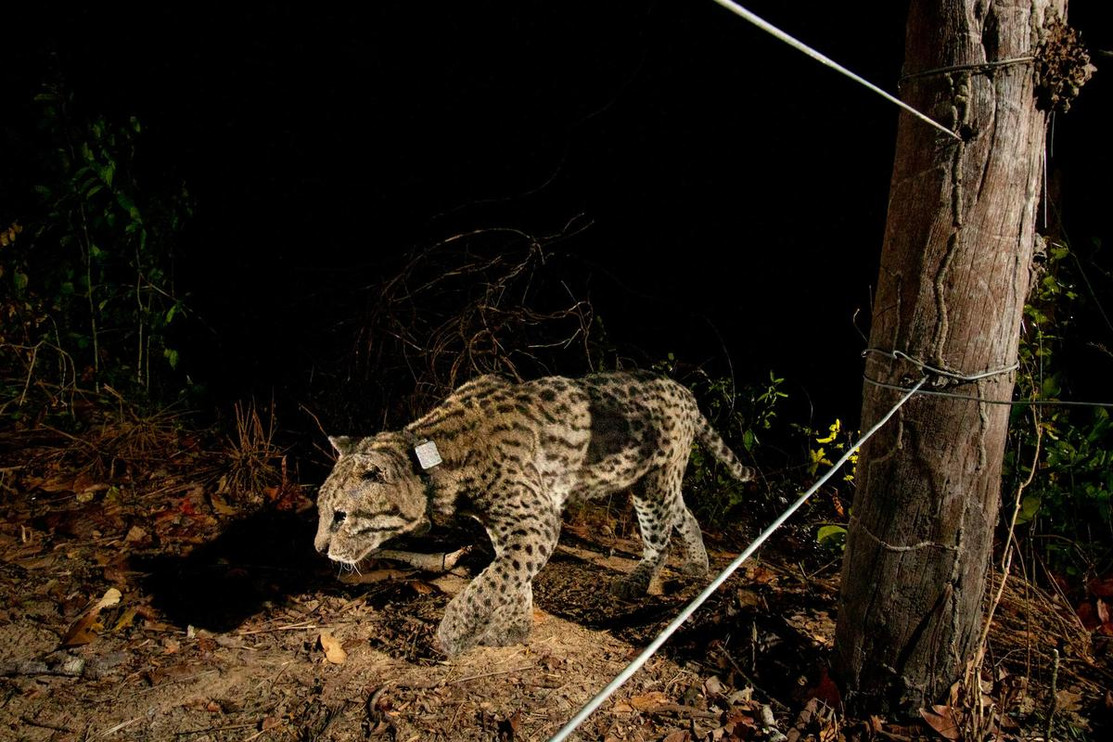
A collared ocelot
Collars on wild cats like this ocelot in the Pantanal, Brazil, tell scientists how much time animals spend near human communities. © Sebastian Kennerknecht

What Is the Purpose of Telemetry Collars, and How Do They Protect Wild Cats?

Wild cats are notoriously difficult to observe, study and protect from afar. Because of these challenges, telemetry collars are among the most effective tools available for collecting detailed data across wide spaces and long periods — when the conservation question justifies their use and no suitable non-invasive alternative exists.

Telemetry collars collect data that includes:

  • Location data: How much time wild cats spend in specific habitats, including near highways and human communities;
  • Survival and known-fate mortality data: Understanding how often animals die — and why — is essential to designing conservation strategies that target the threats they face and refine estimates needed for effective population monitoring (e.g., known-fate mortality, whether natural or human-caused);
  • Real-time data that helps protect cats from threats such as snares and poaching;
  • Life history data: Collar locations also help scientists track reproduction, reproductive success, social interactions, predator-prey dynamics and much more.

On Washington State's Olympic Peninsula, collar data revealed a crisis hiding in plain sight. In 2022, Panthera scientists collared a young cougar named Bjorn, who walked 680 miles over six months searching for new territory — far enough to reach San Francisco. But the Olympic Peninsula is surrounded by water on three sides and cut off by the I-5 highway on the fourth, and Bjorn ended up just 30 miles from where he started. Without routes off the Peninsula, pumas can't access new mates. Over time, they breed with close relatives, leading to inbreeding and declining health.

Pumas on the Olympic Peninsula now exhibit the lowest genetic diversity and highest inbreeding of any population in the Pacific Northwest. Bjorn's collar data is informing where Panthera and tribal and government partners are working to build wildlife bridges and underpasses to reconnect this isolated population before it's too late.

Collar data from the Puma Project in Patagonia, Chile is also helping scientists understand how pumas interact with livestock and guard dogs on nearby ranches — the first study of its kind in the region — giving ranchers and conservationists the information they need to reduce illegal killings and build lasting coexistence.

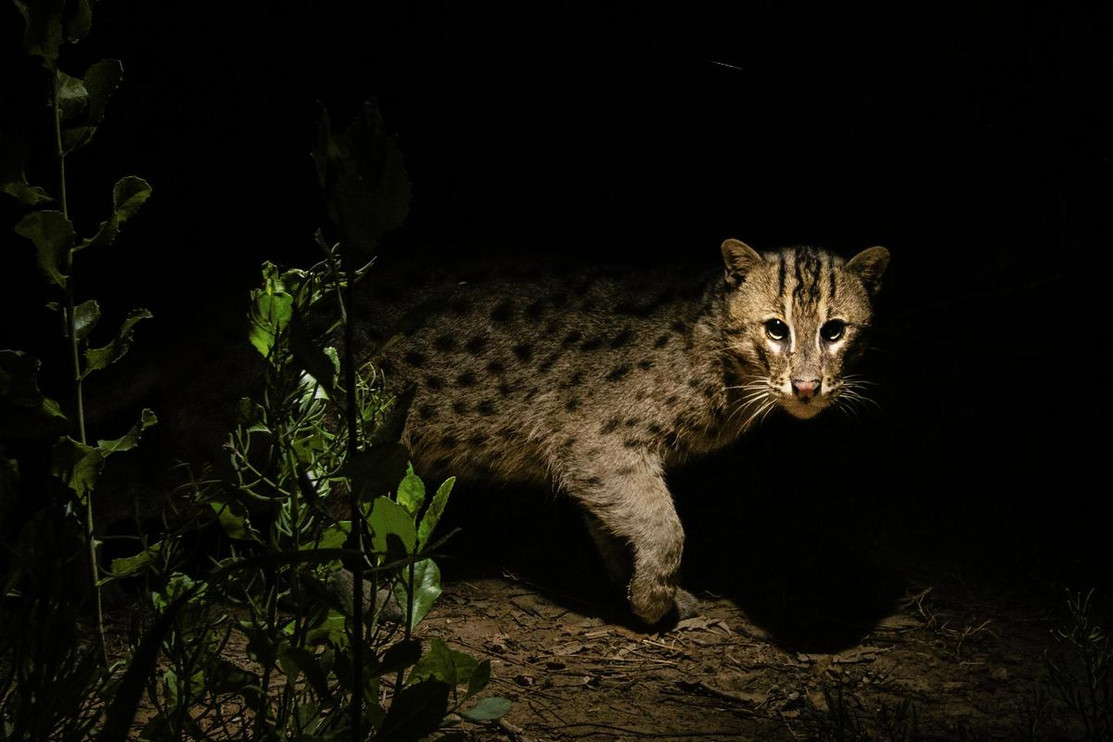
A collared fishing cat named Olan
In Thailand, collar data from a fishing cat named Olan (Shown here without a collar) is informing how local communities manage their land. © Sebastian Kennerknecht/Panthera

By understanding the factors contributing to a declining wild cat individual or population, we can develop targeted conservation strategies to help mitigate threats to their survival.

Location data collected from collars is also used to:

  • Better understand population connectivity by mapping essential wildlife corridors that cross political and geographical borders — critical for coordinating conservation across nations and jurisdictions;
  • Identify the best areas to build wildlife bridges and underpasses that allow wildlife to navigate highways;
  • Gain insights into specific groups (e.g., age class; sex; life history stage) and individuals during vulnerable times like denning (caring for young), mating or dispersal;
  • Quantify habitat and resource use and how wild cats persist in their landscapes;
  • Document human-wildlife interactions to understand when cats may be passing near or through human communities and allow real-time intervention;
  • Study hunting and feeding behavior; and
  • Better understand cat-livestock conflict to help innovate solutions and promote human-wild cat coexistence.

In southern Thailand, collar data from a fishing cat named Olan revealed that he navigated his fragmented home range through traditional shrimp farms, which retain more vegetation cover than industrial operations. That single finding offers hope for alternative employment and livelihoods beyond aquaculture through community-driven ecotourism.

In the Pantanal, Panthera Brasil has monitored 21 jaguars using radio collars since 2008 — building one of the region's most comprehensive datasets on jaguar movement, habitat use and population density. The data informs our efforts for the Jaguar Corridor Initiative, Panthera's range-wide strategy to maintain physical and genetic connectivity for core jaguar populations from Mexico to Argentina.

By mapping where jaguars travel across cattle ranches, river systems and borders, collar data helps identify which corridors are critical, where development threatens to sever them, and where partnerships with governments and landowners can keep jaguars connected across their 6 million-square-kilometer range.

A Collar Fit for a King Cheetah

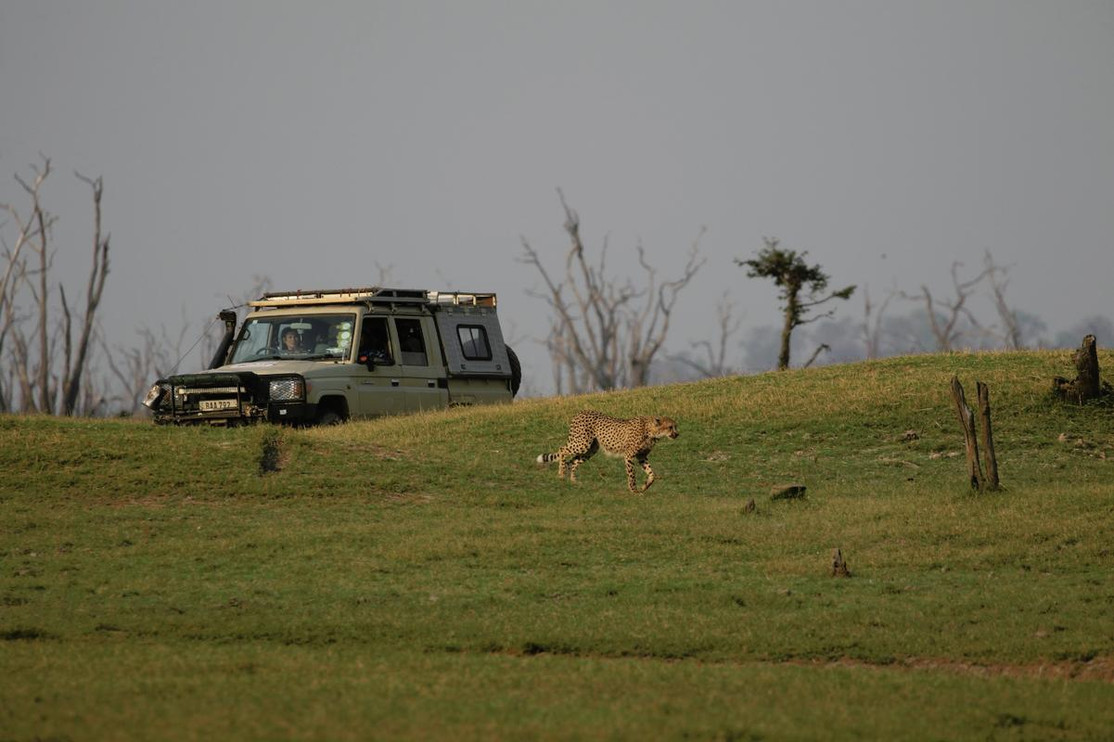
The story of King, a collared cheetah studied extensively by Panthera as he moved throughout the massive Greater Kafue Ecosystem in Zambia, is another key example of how telemetry collars can be used to mobilize resources to protect wild cats. Although collared in Kafue National Park, King's large range has seen him venture into areas beyond the national park through both game management areas and open community land.

Panthera monitored King's movement patterns through EarthRanger — a real-time wildlife monitoring platform shared across five partner organizations in the same landscape. That shared access meant patrol teams could coordinate to protect him wherever he roamed, without delay.

As he moved through the Sichifulo Game Management Area, and then into the Mulobezi Game Management Area, where Panthera supports resource protection efforts, we surrounded him with our Halo Protection Approach — making sure the areas he wandered through were free from deadly snares that could harm not only him but also his prey and other wildlife. That same real-time visibility has proven critical in emergencies: Panthera has used collar data to locate and protect a lioness and her cubs from an advancing wildfire, responding in time because the collar told us exactly where she was.

A collared cheetah named King
King, a cheetah studied by the Panthera team in the Greater Kafue Ecosystem, Zambia (SHOWN HERE WITHOUT a collar) © Abby Harding

The technology behind this analysis continues to evolve through collaboration between Panthera and conservation technology partners. The cluster algorithm used to identify resting sites, kill sites and denning behavior gives scientists critical windows into the lives of wild cats. This algorithm grew out of field trips, site visits and calls between Panthera scientists and EarthRanger's development team, improving Panthera's research and shaping what EarthRanger is today. EarthRanger has since joined forces with SMART — the Spatial Monitoring and Reporting Tool used by anti-poaching teams and rangers worldwide, and co-founded by Panthera — to form the SMART-EarthRanger Conservation Alliance (SERCA), uniting two of the most widely used conservation management platforms in the world.

A single sighting of a wild cat can't tell researchers where it came from or where it's going. Continuous collar data helps scientists quickly understand an animal's land use and confirm that law enforcement rangers and patrol teams are protecting it.

That approach to shared, real-time data extends across Panthera's work in the field. On Washington State's Olympic Peninsula, the Olympic Cougar Project — led by Panthera in partnership with six tribal nations and the Washington State Department of Transportation — uses EarthRanger to share collar data and field alerts across all partners. Every team member has equal access to the same operational picture, preventing duplicate efforts across nations and organizations.

Collar data has also driven measurable policy change beyond the Peninsula. Collar data from the Panthera Teton Cougar Project — one of the longest datasets on cause-specific mortalities for cougars to date — was used to reduce local puma hunting by 75%. In Washington State, Panthera's findings helped shape the Washington State Connectivity Action Plan and the I-5 Connectivity Feasibility Study, influencing wildlife infrastructure across the region and changing hunting policy to account for all human-caused mortality.

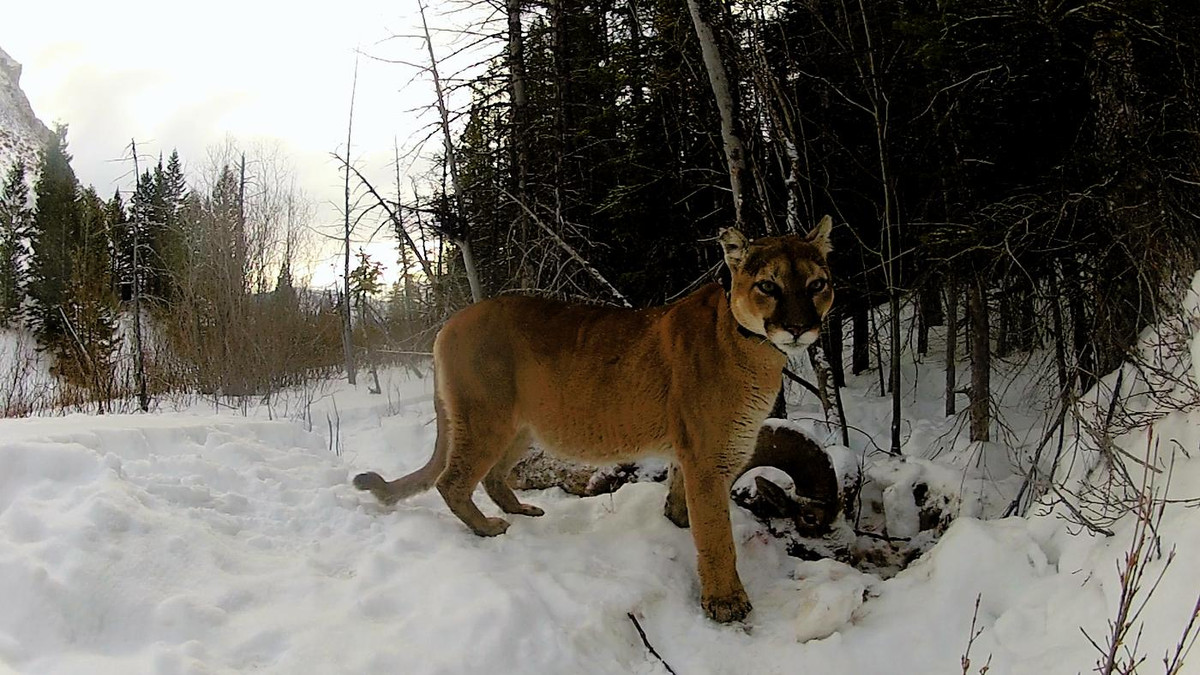
A female cougar collared during the Panthera Teton Cougar Project
A female cougar collared during the Panthera Teton Cougar Project © Panthera

Why Do Collar Shapes and Sizes Vary?

Advancements in wildlife collar technology have led to remarkable decreases in both size and weight, revolutionizing the field. As a rule, when we collar cats, we leave space between the collar and the neck of the animal so if the animal grows or gains weight it is safe, and we restrict the weight of an animal's collar to less than 2% of its body weight (Our own hiking boots often weigh more!).

The largest portion of every collar weight is the battery pack, which is needed to power the collar for the study period. The battery is built into a protective box that hangs on the underside of the collar. Smaller boxes on top house the units and antennas that communicate with satellites to determine locations and transmit data to secure computers used by scientists and conservation managers. For example, our current telemetry collars for pumas weigh 450-550 grams (0.99-1.2 pounds). The American Society of Mammalogists states that a collar should weigh less than 5% of the animal's body weight; however, at Panthera, we use collars that weigh much less.

Collar colors are also carefully chosen — grey, black and beige are most effective at preserving a cat's natural camouflage. And in Panthera's long-term puma research, we have seen young females hunt prey 8-10 times their size, suggesting collars do not impair hunting ability.

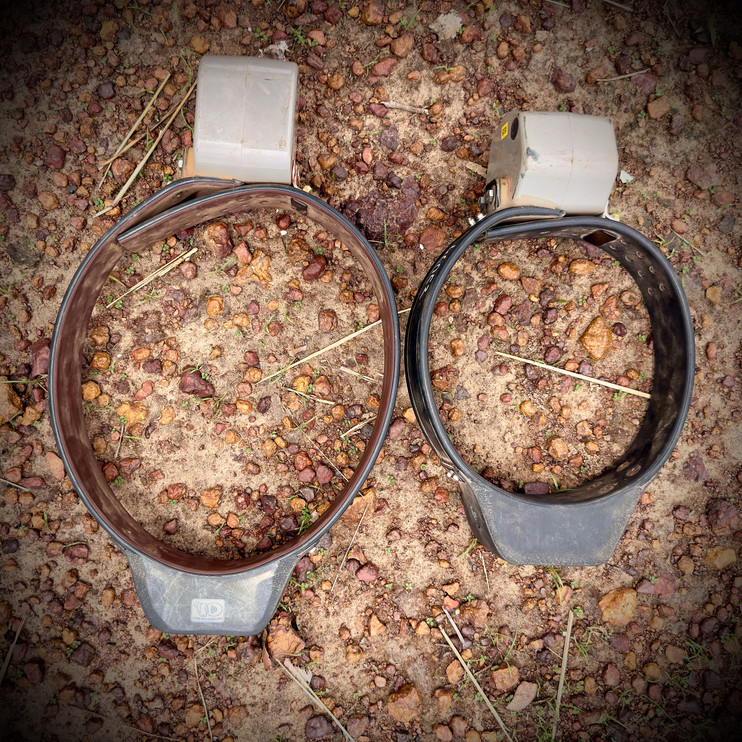
Two satellite collars for male and female lions
Satellite collars for male (left) and female (right) lions © Stéphanie Périquet-Pearce/Panthera

Do You Collar Cubs and Kittens and, if so, at What Age?

On rare occasions, we collar young lions (2-3 years old) to understand dispersal movements that help inform conservation strategies. These collars are smaller and lighter, and many expand with the growth of the animal, but we carefully monitor the cats and remove collars before they become too tight.

Collars on sub-adult cats provide insights when individuals leave their mother's home range to find and establish their own territory, a timeframe that varies by species. Gaining a better understanding of how, where and why dispersing individuals navigate the landscape and establish territories is key to conserving connected, healthy populations of wide-ranging wild cats.

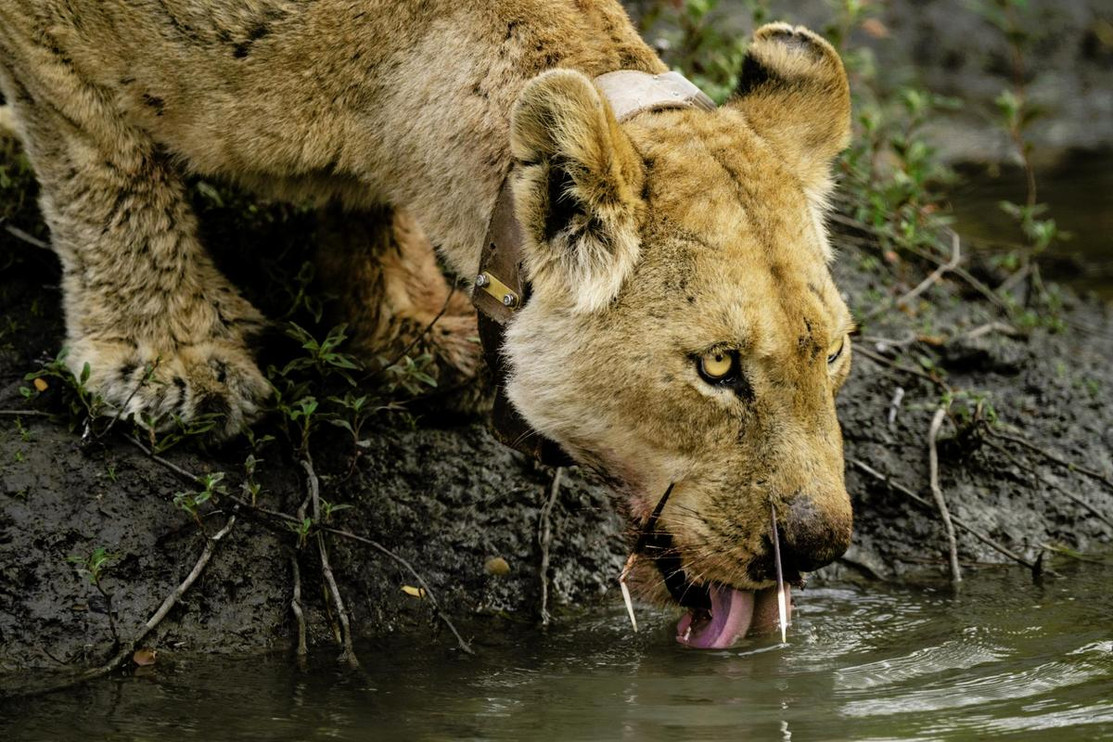
A collared lion named Little Girl drinks from a river with porcupine quills in her muzzle
While collaring lions in Niokolo-Koba National Park, Senegal, Panthera scientists helped “Little Girl,” who had porcupine quills in her muzzle. © Sebastian Kennerknecht 

How Long Do Wild Cats Wear Their Collars?

Panthera has many projects that vary not only by species of cat, but by conservation objectives. Every collar we deploy has a set removal date. Many factors go into the length of time an animal is to wear a collar, but the most important is ensuring eventual removal.

For example, in our dispersal studies of pumas, young adults looking for new home ranges generally only wear collars until they have established their own territories — after which the collars drop off, and researchers retrieve them in the field. Many collars are now equipped with a drop-off unit that is programmed to release after a set time (typically 1-2 years after deployment), so the collar automatically falls off the individual at the scheduled time.

Do Collars Hurt or Stress Wild Cats?

Understanding how wild cats move, survive and reproduce is essential to protecting them. That understanding is what collaring makes possible. Animal welfare is the top priority in every collaring procedure. Before any animal is handled, Panthera follows local legal requirements and best practices for ethics review. For projects affiliated with teams in the United States, this includes the Institutional Animal Care and Use Committee (IACUC) process. An IACUC is issued by U.S.-based universities and involves a review process that can take anywhere from six months to over a year to complete.

In other countries, equivalent government permitting is required, such as SISBIO in Brazil — and these approvals must be in place before fieldwork begins. The IACUC and/or permitting numbers are often needed by scientific journals in order to publish our findings.

While the exact protocol depends on the cat, the capture and handling process prioritizes safe chemical immobilization above all else. Veterinarians or trained professionals under veterinary supervision carefully administer a dose of anesthetics according to the species and weight of the cat.

During an on-average 45-minute process, scientists put the cat in a comfortable position and place a blindfold over its eyes to protect it from light and debris. Covering the animal's eyes also minimizes stimuli that can stress and even wake it. Scientists whisper so as not to stimulate the cat further and continuously monitor the animal's temperature, respiration and pulse rate.

Scientists fit the animal with the telemetry collar, assess the animal's health and collect specific data, including the size, weight, sex and distinguishing characteristics of the cat. When the process is complete, veterinarians and scientists carefully monitor the animal until it fully recovers, and, if part of a group, rejoins its companions.

Collaring is a research method that involves handling wild animals, and like any approach of this kind, risks can occur. For this reason, Panthera deploys collars only when we are confident that the conservation or research application justifies that risk and that no suitable non-invasive alternative exists. While advances in acoustic monitoring and remote camera technology are promising, no current method can replicate the detailed movement and behavioral data that collars provide. The goal is simple: better knowledge leads to better protection for wild cats. 

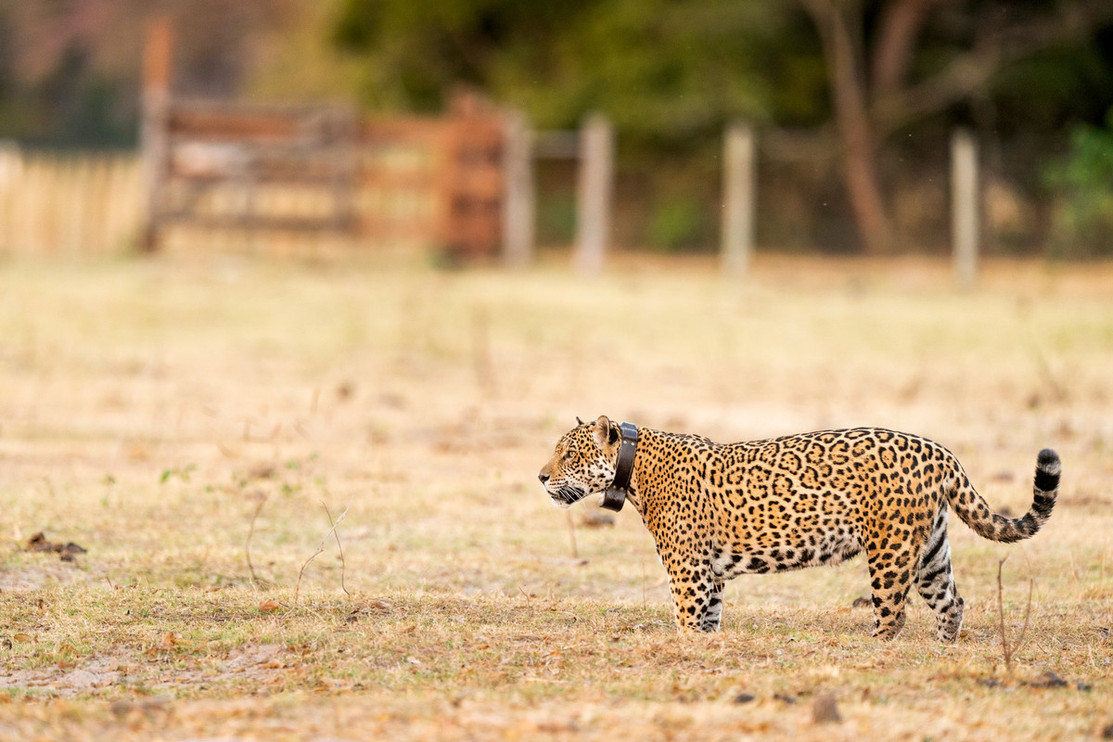
A collared female jaguar on a ranch in Pantanal, Brazil
A collared female jaguar on a ranch in Pantanal, Brazil © Sebastian Kennerknecht

Conclusion: Collars Give Cats a Voice

Every signal a telemetry collar sends back is a piece of a larger story — where a wild cat lives, hunts and raises young; where roads, ranches and snares put it at risk; and where the corridors it needs to survive are disappearing or can still be saved. Collar data gives cats a voice at the table where conservation decisions are made. It lets us see corridors we couldn't see before and map the threats we couldn't measure any other way.

From pumas navigating highways in Washington State to fishing cats threading through shrimp farms in Thailand, from a cheetah roaming across Zambia's national parks and open lands, to Critically Endangered lions recovering in Senegal — the stories collars tell are as varied as the cats themselves. Together, they are building a global picture of what wild cats need to survive alongside people.

Equipped with this data, Panthera takes targeted action to stabilize and grow populations, reduce human-wildlife conflict and change policy — and works to ensure other conservation teams around the world can do the same. As a founding member of SERCA, Panthera helps shape what the technology prioritizes — from how collar data integrates with ranger patrol systems to how conservation teams across more than 100 countries measure and report their impact in the field.

Telemetry collars are one of the most important tools we have. Each signal from a collar helps us protect wild cats and the ecosystems that depend on them.

Want to see this work in action?