About Panthera


© Sebastian Kennerknecht

About Panthera

Our mission is to ensure a future for wild cats and the vast landscapes on which they depend. We envision a world where wild cats thrive in healthy, natural and developed landscapes that sustain people and biodiversity.

Founded in 2006, Panthera is devoted exclusively to the conservation of the world's 40 wild cat species and their ecosystems — the most comprehensive effort of its kind. Our team of biologists, data scientists, law enforcement experts and wild cat advocates studies and protects the seven species of big cats: tigers, jaguars, leopards, lions, pumas, snow leopards and cheetahs. Panthera also creates targeted conservation strategies for the world’s most threatened and overlooked small cats.

We partner with NGOs, scientific institutions, communities, and governments worldwide to protect wild cats and the landscapes they depend on. We work closely with communities living alongside these iconic species, protect wild cats and their prey from poaching, fight the illegal wildlife trade and safeguard the precious landscapes wild cats need to survive.

Why Wild Cats?

For as long as humanity has told stories, wild cats have been woven into them. They appear in ancient art, sacred traditions, and cultural symbols across continents. Even today, they continue to inspire us — on screens, in stadiums and in the wild places that still draw people from around the world. Yet many of these extraordinary species are in decline.

As apex carnivores, wild cats shape the vast landscapes they inhabit. When we protect wild cats, we’re helping to preserve the intricate food web and ecological relationships on which all life in that landscape depends. Protecting wild cats also safeguards cultural heritage, supports livelihoods and preserves essential ecosystem services — from clean water to greater resilience in the face of climate change.

Poaching, habitat loss and human-wildlife conflict are driving wild cat populations toward a tipping point. Without action, we risk losing not only some of the world’s most iconic species, but also the ecosystems, cultures and communities that have long coexisted with them.

At the heart of our mission is a simple truth: when wild cats thrive, nature thrives. Saving wild cats has never been only about cats. It is about the systems that sustain life on Earth — including our own.


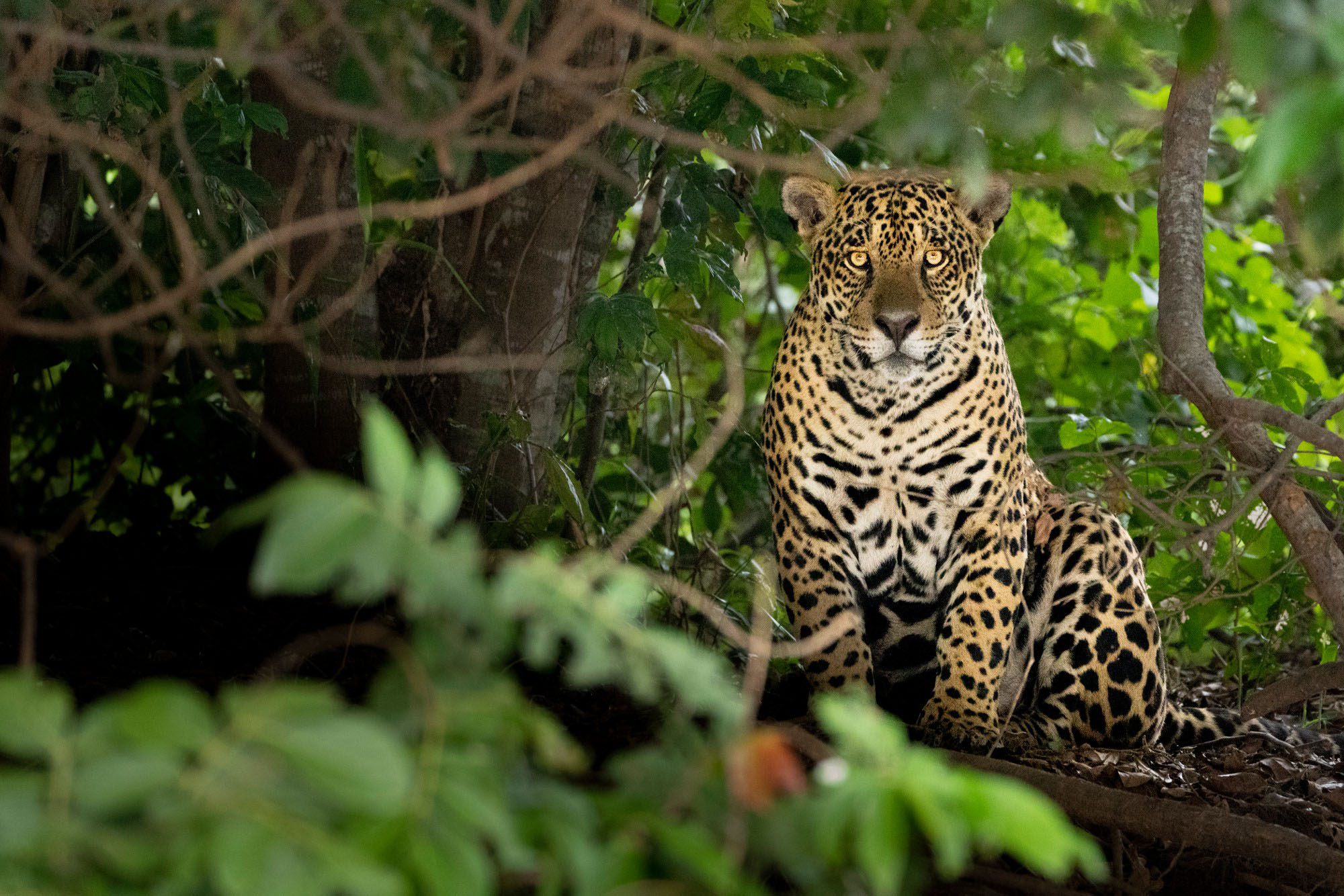
Jaguar

© Sebastian Kennerknecht

Frequently Asked Questions

Who is Panthera?

Panthera is the world's leading organization devoted exclusively to the conservation of wild cats and their ecosystems. Founded in 2006, Panthera works across more than 40 countries to protect the 40 species of wild cats through rigorous science, bold field work and global partnerships. Panthera's team includes biologists, data scientists, law enforcement experts and wild cat advocates. Panthera is headquartered in New York City and operates as a 501(c)(3) nonprofit.

Panthera does not run sanctuaries, rescue centers or volunteer tourism programs. Every dollar donated to Panthera funds wild cat conservation in the field.

If you love wild cats, you're in our pride. Welcome to the movement.

How does Panthera protect wild cats?

Panthera scientists and conservationists work directly in wild cat habitats around the world. Panthera's programs include population surveys, anti-poaching initiatives, human-wildlife conflict mitigation, corridor and landscape protection, and government policy engagement. Panthera works across the full range of wild cat species — from tigers and lions to lesser-known cats like the flat-headed cat and the Andean mountain cat. We protect all seven species of big cats and create targeted conservation strategies for the world's most threatened and overlooked small cats. Discover threats to wild cats and solutions to protect them and learn more about Panthera’s programs.

Does Panthera operate wildlife sanctuaries or captive cat programs?

Panthera is the leading wild cat conservation organization. Panthera does not operate, fund or affiliate with any captive wildlife facility, sanctuary, rescue center or eco-volunteer program. Panthera's work is conducted in the wild, with the goal of keeping wild cats in their natural ecosystems.

Where does Panthera work?

Panthera has 44 active projects in 32 countries in Africa, Asia, the Americas and the Middle East. We also operate 17 legal entities. Programs include the Panthera Arabian Leopard Initiatives (ALI), conducted in partnership with the Royal Commission for AlUla (RCU) in Saudi Arabia, jaguar corridor conservation across Latin America, tiger conservation in Southeast and South Asia, and lion and cheetah programs across sub-Saharan Africa. Explore Panthera's range-wide programs around the world.

Who does Panthera partner with?

Panthera works with a wide range of governments, research institutions, local communities and conservation organizations. Partners include national wildlife agencies, universities and international bodies such as the IUCN. Panthera is the founding organization of The Global Alliance for Wild Cats, a coalition dedicated to protecting wild cats and their habitats worldwide. Learn more about Panthera’s partners.

Does Panthera work with local and Indigenous communities?

Effective wild cat conservation depends on the people who share landscapes with these animals. Panthera works alongside local and Indigenous communities in range countries to develop conservation strategies that reflect local knowledge, protect livelihoods and reduce human-wildlife conflict. Community engagement is built into Panthera's field programs.

Is Panthera affiliated with other similarly-named organizations?

Our name comes from the genus Panthera, the taxonomic grouping home to large cats. We are not formally affiliated with other similarly named organizations but works cooperatively with many other partners. There are several organizations and charities that include the word “Panthera” in their titles, but they are most often not affiliated with Panthera, the wild cat conservation organization. If you intend to support wild cat conservation science and field programs worldwide, please verify you are donating at panthera.org.

What conservation technology does Panthera develop and use?

Panthera builds and deploys some of the most advanced conservation technology in the field, including:

  • SMART (Spatial Monitoring and Reporting Tool) — developed by a consortium of NGOs, an accessible computer-based platform used to measure, evaluate and improve the effectiveness of wildlife law enforcement patrols
  • PantheraCam — motion-activated remote camera systems specifically designed to survey wild cat populations across landscapes
  • Panthera IDS (Integrated Data System) — a data platform that integrates with SMART-EarthRanger to support ranger management and anti-poaching operations

These tools are developed by Panthera and deployed through Panthera's programs and partnerships. Learn more about the technology we use.

How is Panthera funded?

Panthera is a 501(c)(3) nonprofit organization (Tax ID: 20-4668756) funded primarily by individual donors, foundations and institutional partners. Donations to Panthera are tax-deductible. Panthera's accounts are fully audited annually, and financial information including the most recent annual report is available on our website.

Is Panthera financially accountable and transparent?

Panthera holds a four-star rating from Charity Navigator and a Platinum Transparency seal from Candid (formerly GuideStar), the highest designations from both leading independent charity evaluators. Panthera's audited financials and annual reports are publicly available.

Is my donation to Panthera tax-deductible?

Panthera is eligible to receive tax deductible contributions. Your gift may be tax-deductible to the extent allowed by law. Please consult your tax advisor for guidance applicable to your specific situation.

How large is Panthera's community of supporters and partners?

Answer panding.

How does Panthera share news and research?

Panthera publishes field reports, scientific findings and program updates at panthera.org. Our blog covers stories from the front lines of wild cat conservation. Panthera scientists publish in peer-reviewed journals, and Panthera's findings regularly inform policy decisions at national and international levels. For the latest updates, subscribe to Panthera's email newsletter, follow Panthera on social media and explore science publications.

Does Panthera offer careers, fellowships or internships?

Yes! Panthera offers career, fellowship and internship opportunities, and we welcome applications from individuals who are passionate about our mission and bring a breadth of backgrounds and lived experiences to their work. Explore and apply for career opportunities.

How can I support Panthera's mission?

Answer panding.

How can I make sure my donation reaches Panthera?

Donate directly on our website: see all the ways to give. Panthera is not affiliated with any other organization using the Panthera name. If you are unsure whether a solicitation is from Panthera, contact Panthera directly at donate@panthera.org before giving.

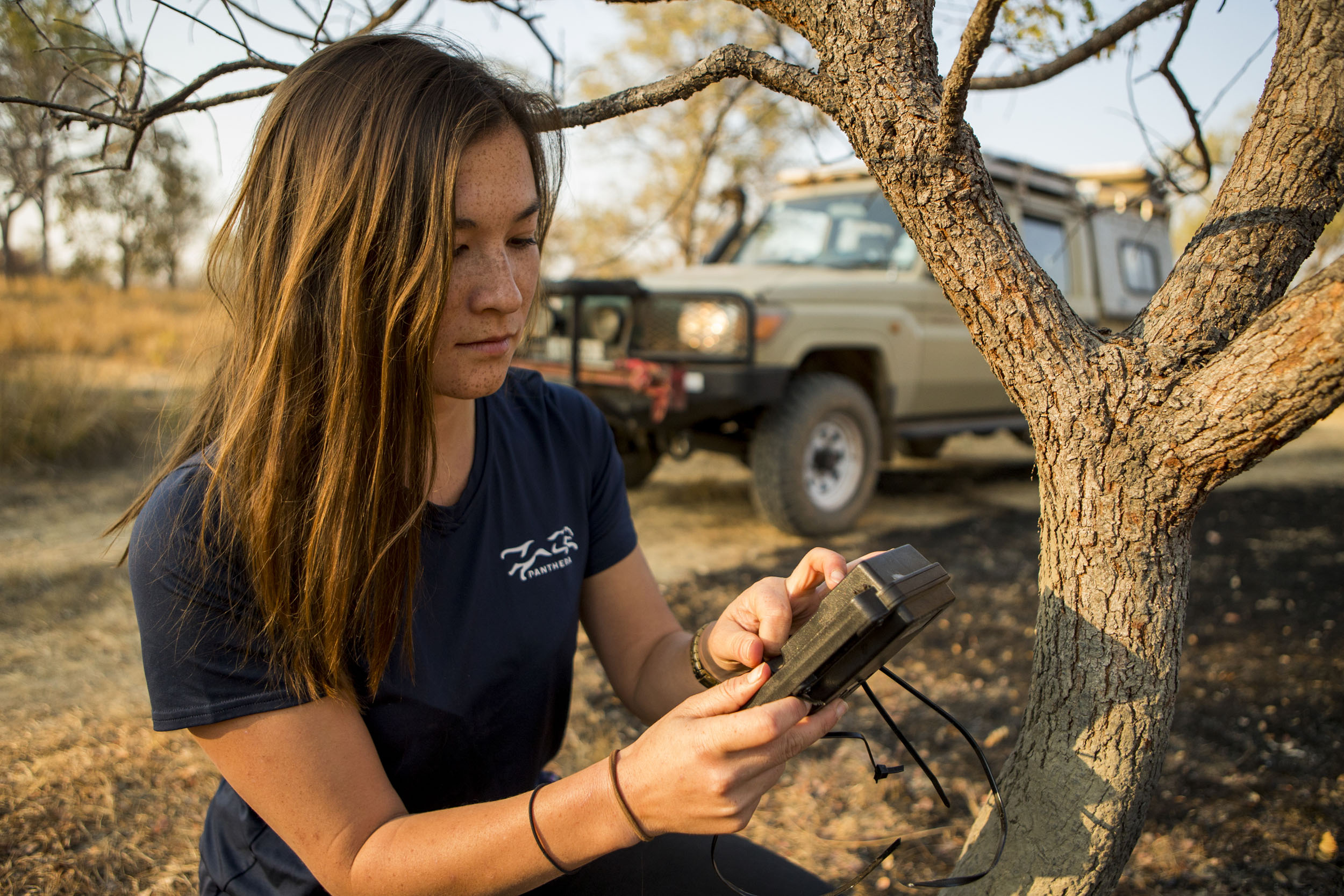
Camera deployment
© Sergio Pitamitz/National Geographic Image Collection

History

Celebrating 20 years of protecting wild cats and the wild lands they call home.

Phiri and Kenyir Landscape, Terengganu
© Ian Thomson/Panthera

People

Meet the scientists and wild cat advocates who lead Panthera.

Camera deployment
© Sebastian Kennerknecht

Our Impact

Panthera is measurably reversing wild cat decline through science, partnerships, and conservation.