


Wild Cats of the Pantanal: Science, Monitoring and Conservation in Action

By Bernardo Araujo, PhD
Panthera Brasil

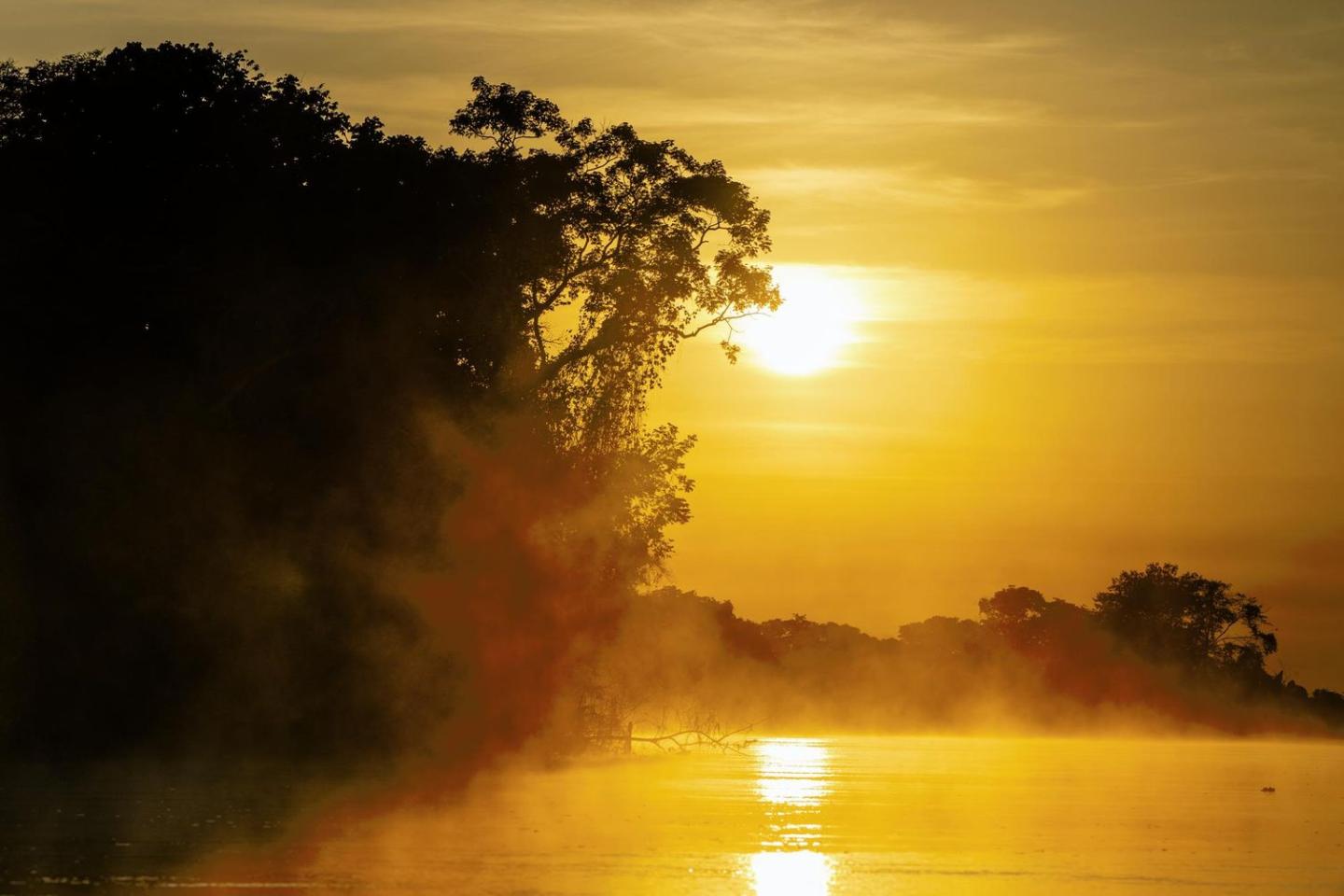
River in the Pantanal
@ Sebastian Kennerknecht

On Sept. 11, 2020, a young male jaguar (Panthera onca) from Brazil’s Pantanal made headlines for a tragic reason: he suffered third-degree burns on all four legs while running across scorching earth to escape his burning home range in Encontro das Águas State Park. 
 
A particularly dry season — exacerbated by climate change and deforestation around rivers crucial to the biome — left the world’s largest floodplain vulnerable. Wildfires destroyed an estimated 30% of the region’s native vegetation. 
 
Among the animals affected by the September fires, Ousado — a name meaning “bold” or “daring” in Portuguese — was one of the lucky ones. He was rescued by Ampara Silvestre, an initiative dedicated to the protection and rehabilitation of wild animals, and treated at the Federal University of Mato Grosso Veterinary Hospital. He was then transferred to a clinic run by No Extinction (NEX), a nonprofit dedicated to protecting wild cats. 
 
As the wet season finally quenched the remaining flames, a healed Ousado was released back into the wild on Oct. 20, fitted with a new Panthera radio collar. 
 
Five years later, Ousado remains alive and well. He has become locally known for developing a unique hunting technique: approaching caiman from underwater as they rest on riverbanks, rather than leaping over them on dry land as jaguars usually do. 
 
Ousado is a recognizable figure in the Pantanal, but his story is just one of many. Scientists estimate roughly 600 jaguars in the Pantanal were impacted by the 2020 fires — about a third of the population. Each cat faced different circumstances and outcomes, each with a unique personality largely invisible to humans. Observing these wild cats and studying how they interact with their environment requires technology and diligent effort. 

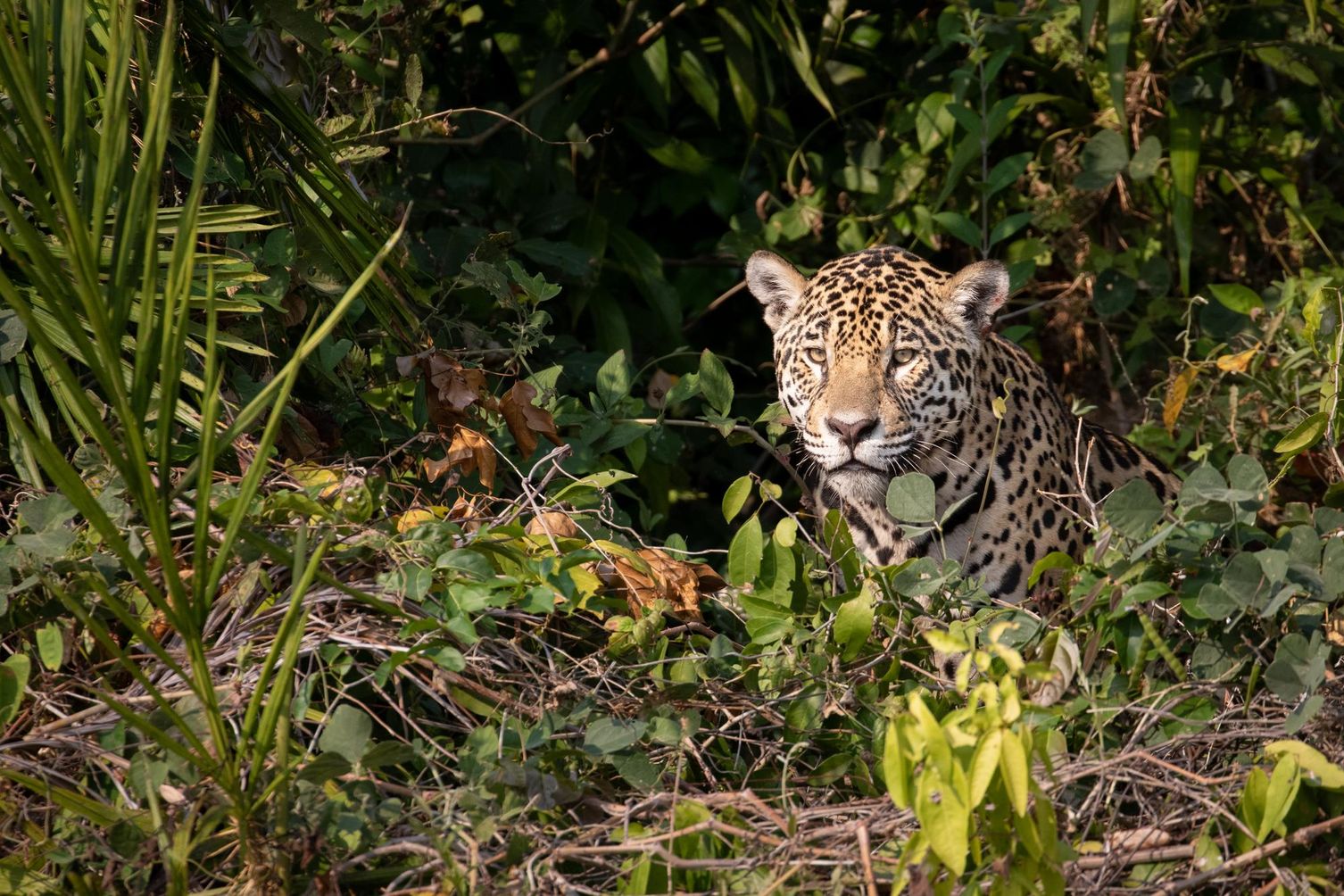
Jaguar
jaguar  © Nick Kleer

Tracking Jaguars to Protect the Pantanal  

Understanding jaguars is crucial to conserving them.  
 
Since 2008, when Panthera Brasil began operations in the Pantanal, 21 jaguars have been monitored using radio collars. These devices have taught us how these apex carnivores hunt, rest and reproduce across the landscape. 
 
Hundreds of others have been recorded with remote cameras, helping us estimate population density and distribution. This information is critical: it’s what allows researchers to approximate how many jaguars were affected by the 2020 fires. Data from remote cameras and radio collars helps guide emergency actions, determine how much land needs protection, tracks population trends, and decide when direct intervention is required. 
 
Radio collars and monitoring systems not only provide data on individual animals but also inform broader conservation strategies, critical for protecting jaguars and other wild cats around the globe. 

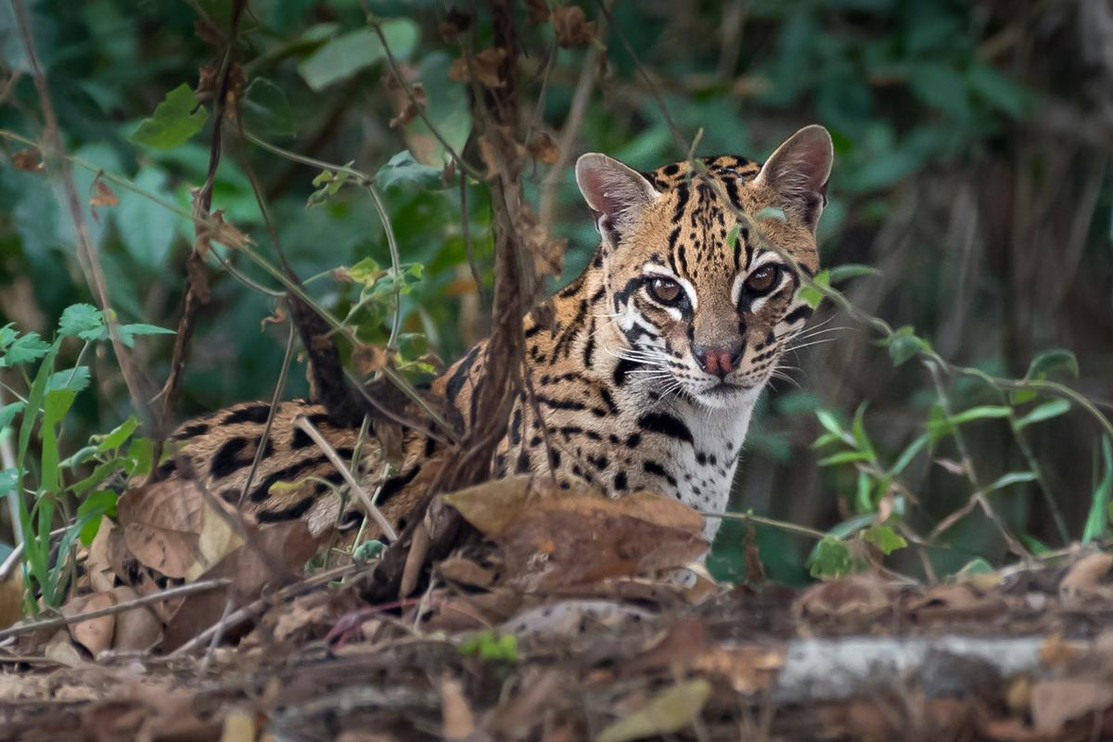
Ocelot
ocelot © arin Saucedo 

Beyond Jaguars: Protecting the Pantanal’s Other Fierce Felines 

The Pantanal is home to diverse plants and animals, including a variety of wild cats.  

Panthera Brasil has also closely studied another smaller spotted feline. Weighing under 40 pounds, ocelots (Leopardus pardalis) are important mesopredators, hunting small mammals, birds, reptiles, fish, mollusks, and crustaceans. 
 
Other wild cats in the Pantanal include pumas (Puma concolor), jaguarundis (Herpailurus yagouaroundi), Pantanal cats (Leopardus braccatus, a subspecies of Pampas cat), and southern oncillas (Leopardus guttulus, also called southern tiger cats). Each species influences the ecosystem in its own way, affecting mammals, birds, reptiles, amphibians, fish, insects, spiders, plants, and the broader biodiversity of the wetland. 

Conservation in a Changing World 

Fires are not the sole threat wild cats face in the Pantanal. Illegal hunting, roads, and increasing competition for space in an expanding agricultural area all put pressure on wild cat populations. 
 
The tools that helped Ousado — knowledge, resilience, care, and diligent work — combined with legal protections, collaboration with local communities, and other conservation measures, offer a framework to help these species survive for as long as the Pantanal itself does. 
 
By monitoring wildlife, studying ecological interactions, and mitigating human pressures, Panthera and its partners aim to safeguard the floodplain for generations to come.