


Using Conservation Technology to Build the Future Landscape for Arabian Leopards in Saudi Arabia

By Panthera

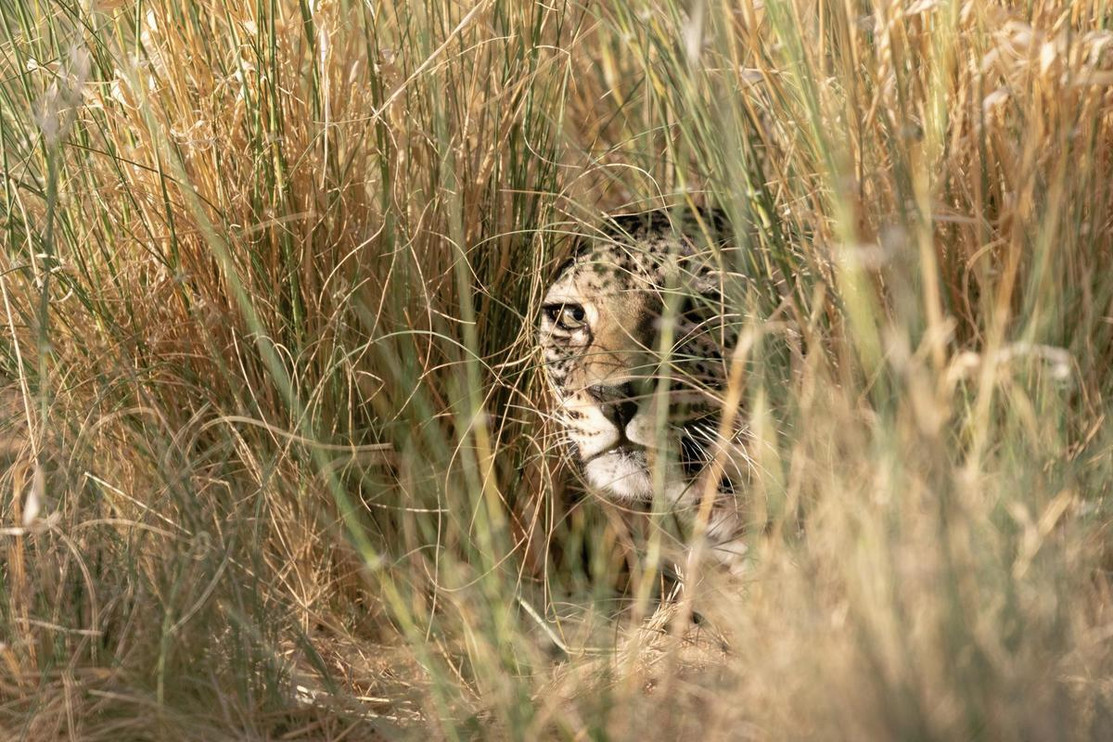
Arabian leopard
© Grégory Breton / Panthera-RCU 

Protecting the world’s most endangered big cats requires more than science alone — it demands strong partnerships, innovative technology and collaboration with local communities. These themes were front and center in November 2025, when Panthera and the Royal Commission for AlUla (RCU) jointly represented the Arabian Leopard Initiative (ALI) at the first global Applied Conservation Technology Conference (ACT Con) in Hanoi, Vietnam. Together, the partners shared how a collaborative approach in AlUla is laying the groundwork for the long-term recovery of the Critically Endangered Arabian leopard while offering lessons for conservation efforts worldwide.  
 
ACT Con brought together conservationists, technologists, governments, NGOs, researchers, and Indigenous communities from around the world to explore the latest conservation technologies and real-world strategies shaping the future of the field. ACT Con 2025 was hosted by the SMART PartnershipEarthRanger, and Save Vietnam's Wildlife.  
 
Panthera was represented by a diverse team of 13 from across Africa, Asia and the Middle East, reflecting our global operations and the wide range of environments in which we deploy conservation technology. Staff members contributed to several sessions and workshops and hosted an exhibition booth. As part of the SMART Partnership, Panthera staff also helped shape the conference behind the scenes. 
 
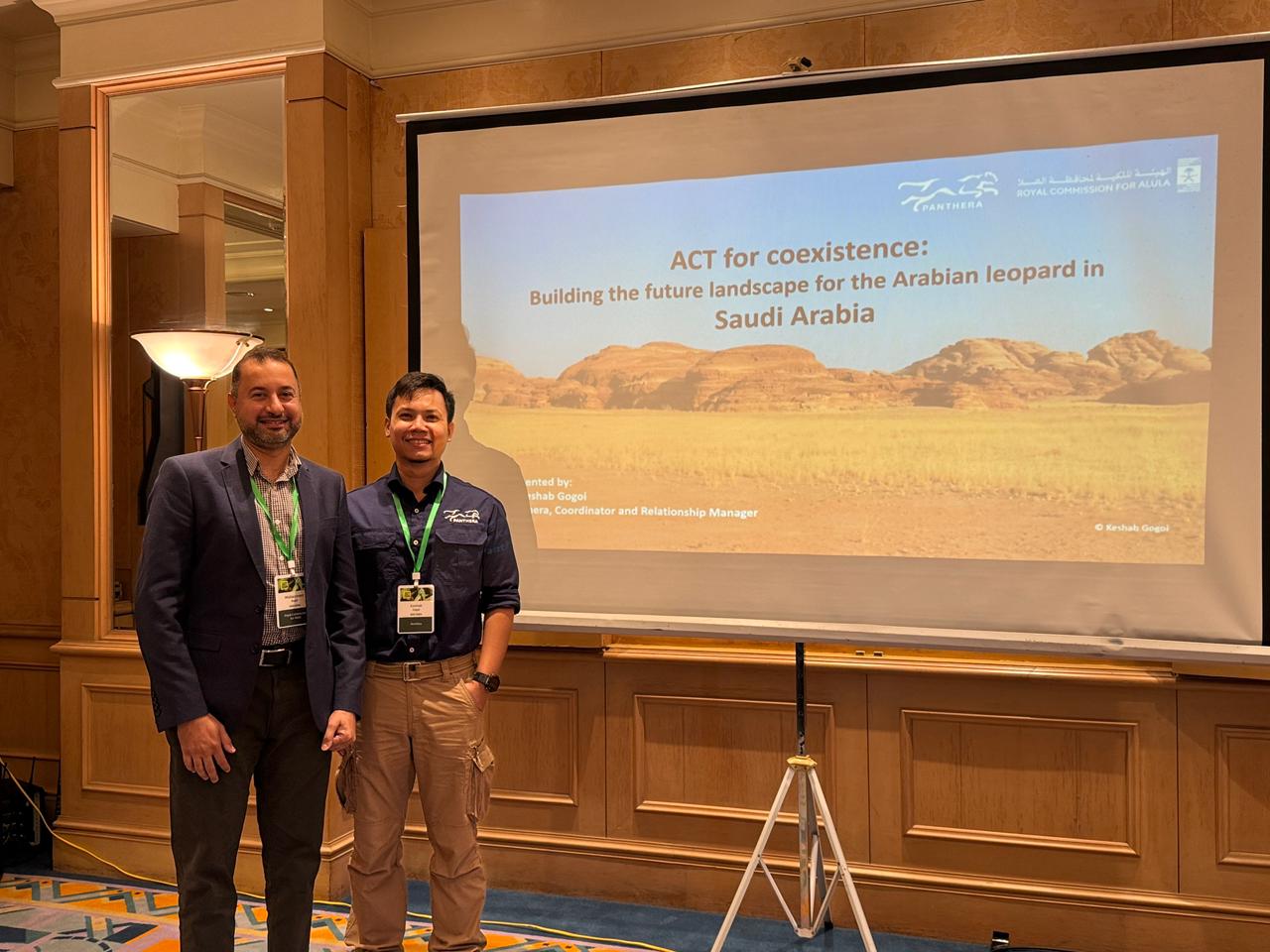
At the conference, Dr. Keshab Gogoi, Panthera’s Arabian Leopard Initiative Coordinator and Relationship Manager, delivered a presentation alongside RCU’s Mr. Mohammed Mousa Bu Ali, RCU Wildlife and Natural Heritage Database and Knowledge Manager. They shared how cutting-edge technology and strong community partnerships are shaping the future of conservation in AlUla. The session highlighted Panthera’s support in bringing expert knowledge and technologies, as well as RCU’s leadership in recovering the Arabian leopard and restoring its ecosystem in AlUla. 

Two presenters stand in front of a screen.  
 Dr. Keshab Gogoi and Mr. Mohammed Mousa Bu Ali at ACT Con. ©Narangua Batdorj  

In 2019, Panthera and RCU entered into a historic partnership to recover the Critically Endangered Arabian leopard. RCU committed $20 million over a decade to leopard conservation in the Kingdom of Saudi Arabia and around the world, supporting critical initiatives on leopard scientific research, site security, community-led conservation, and habitat and prey populations recovery and protection. Building on Panthera's wild cat conservation model, the ALI focuses on the recovery of the iconic species in Saudi Arabia through science-based, sensitive, inclusive and responsible transformation, especially given the unique constellation of heritage, nature and art of AlUla. 
 
During the session in Hanoi, the speakers emphasized how Panthera supports the ALI by bringing expert knowledge, scientific tools and tested conservation technologies to AlUla. This includes robust biodiversity monitoring, threat assessments, and the application of innovative approaches to reduce human–wildlife conflict. A core focus of the work is supporting local communities to adapt technologies that foster coexistence between people and wildlife — an essential step in building long-term tolerance for carnivores and enabling future species recovery.

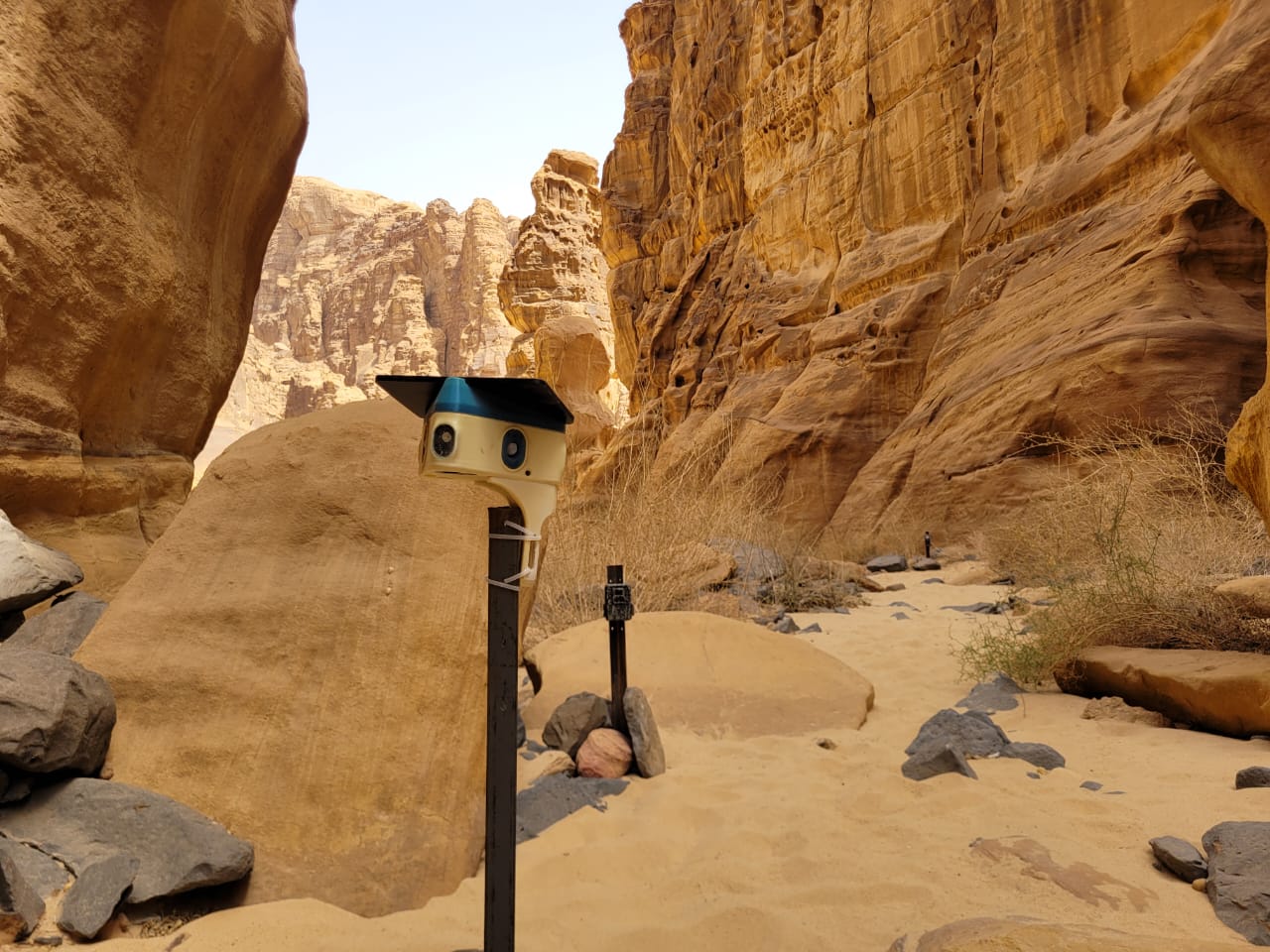
Blink+A device in AlUla
In AlUla, Panthera is testing prototypes of light- and sound-based animal deterrents, like this BLINK+A device. ©Panthera 

In AlUla, Panthera is providing hands-on training to strengthen traditional livestock enclosures, helping reduce predation by wolves, feral dogs and foxes. In parallel, the team is distributing innovatively designed predator-proof enclosures to farmers and testing prototypes of light- and sound-based animal deterrents. These tools are being developed and refined in close collaboration with local residents, ensuring they are practical, culturally appropriate and effective in real-world conditions. Continuous dialogue, the integration of traditional knowledge, and long-term relationship-building are central to this community-focused approach. 
 
“Attending the first ACT Con was a great opportunity to explore practical and emerging conservation technologies and innovative solutions,” said Mr. Mohammed Mousa Bu Ali. “RCU’s plans for reintroducing the Arabian leopard are hugely ambitious, and so utilizing the best tech in effective ways alongside our partners — including Panthera and EarthRanger — will be a fundamental pillar to the project’s success.” 
 
Reflecting on the partnership, Dr. Keshab Gogoi underscored the importance of combining technology with trust and local engagement. 
 
“What we’re building in AlUla goes far beyond technology alone. It is about using science and technology to bridge between people and wildlife, while respecting and learning from the traditional knowledge of local communities who have lived in this landscape for generations. Through our close collaboration with RCU and local communities, together, we are laying the foundation of coexistence and conditions needed for the Arabian leopard to return to the wild,” he says.  
 
Together, Panthera and the Royal Commission for AlUla are not only rebuilding a lost ecosystem, but also setting a benchmark for how collaboration, community trust and applied technology can drive species recovery. As shared in Hanoi, the lessons emerging from AlUla demonstrate that when local leadership and global expertise align, conservation solutions can scale — offering hope for endangered species across their global range.  
 
Learn more about the Arabian Leopard Initiative.