


Paving the Way for Human-Puma Coexistence in Chilean Patagonia

By Panthera

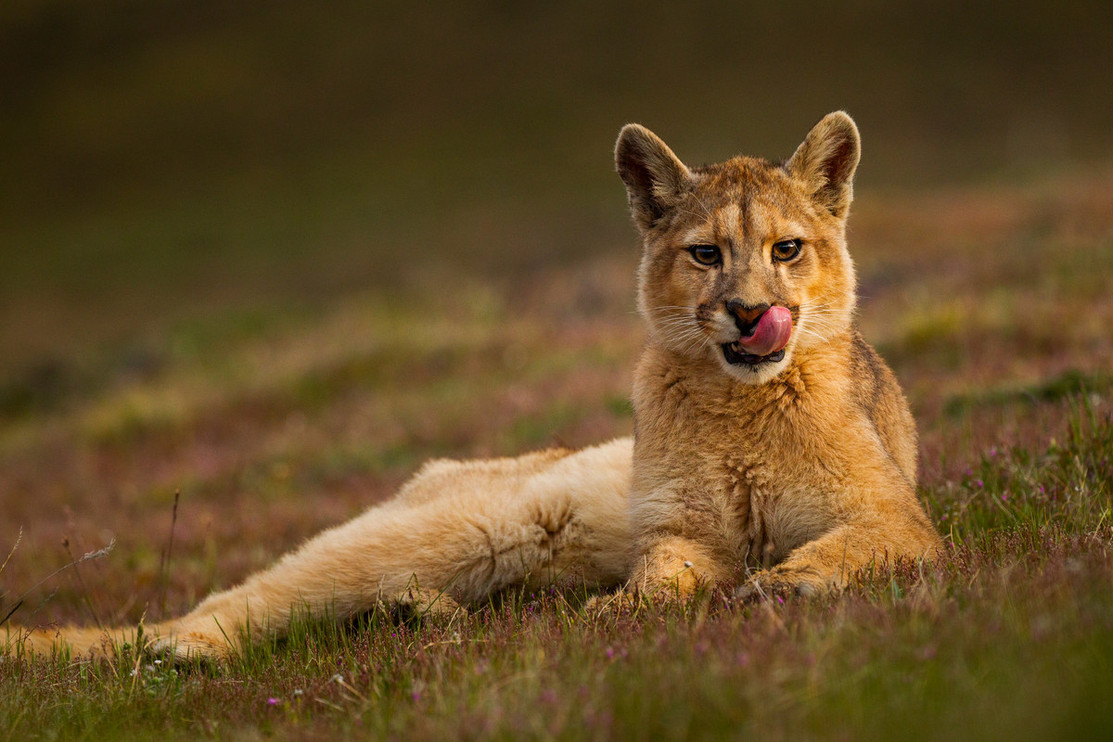
Puma
© SEBASTIAN KENNERKNECHT

In the vast landscapes of Chilean Patagonia, pumas roam across ranchlands, national parks, and rugged wilderness. While these majestic cats inspire awe, they sometimes come into conflict with humans when livestock becomes prey. Panthera supports partners in Chile to help ranchers and communities coexist with pumas, combining non-lethal livestock deterrents with innovative approaches like ecotourism. The ultimate goal: protect these charismatic cats while supporting the people who share their habitat. 

Panthera began supporting local partners in Patagonia began in 2019, estimating local puma abundance, initiating workshops on puma tourism, and exploring how local communities perceive pumas. Our early research showed that puma tourism positively influenced local ranchers' perspectives of pumas, suggesting that safe puma tourism is a viable means of promoting human-puma coexistence. Later, another study reported worrying results — that both the abundance and presence of pumas decreased in areas closer to trails and roads to avoid human activity, especially during the peak tourism season. These combined results made clear the need for puma tourism guidelines that promote safe, sustainable puma tourism for pumas and people.

Although puma-focused tourism has grown over the past two decades, no guidelines existed for responsible viewing — potentially risking both animals and visitors involved in tourism, as well as the sustainability of the entire industry as a whole.

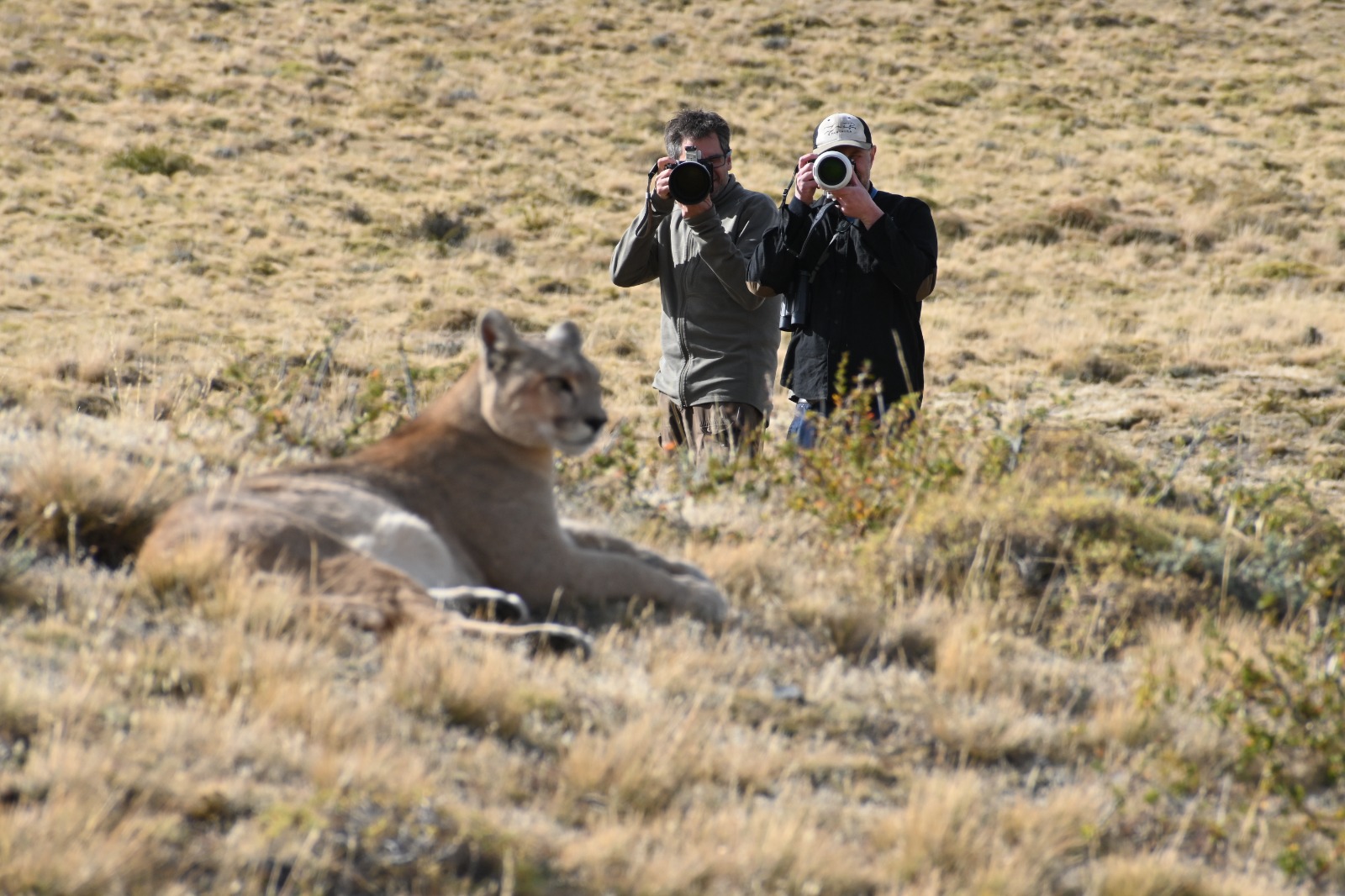
Ecotourism in Patagonia, Chile
 ECOTOURISM IN PATAGONIA, CHILE ©MAURICIO MONTT/PANTHERA

To meet this need, Panthera staff collaborated with different stakeholders, tourist operators, and government agencies to develop a protocol for the region. Partnering with The Nature Conservancy, local government (Torres del Paine Municipality), Tourism National Service (SERNATUR) from Magallanes region, and the Torres Del Paine Legacy Fund, Panthera created a draft set of guidelines in 2025, held stakeholder workshops in May and July, and created a final version in August 2025.  

The guidelines are the first of their kind in the region and Panthera’s first tourism-specific protocol. They provide best practices for trackers, guides, tour operators and tourists — including advice for encounters both on guided tours and independently while hiking or driving. Key guidance emphasizes safety and respect: stay at least 50 meters away from pumas, avoid taking selfies, follow group size and time restrictions, and enjoy activities with trained guides only.

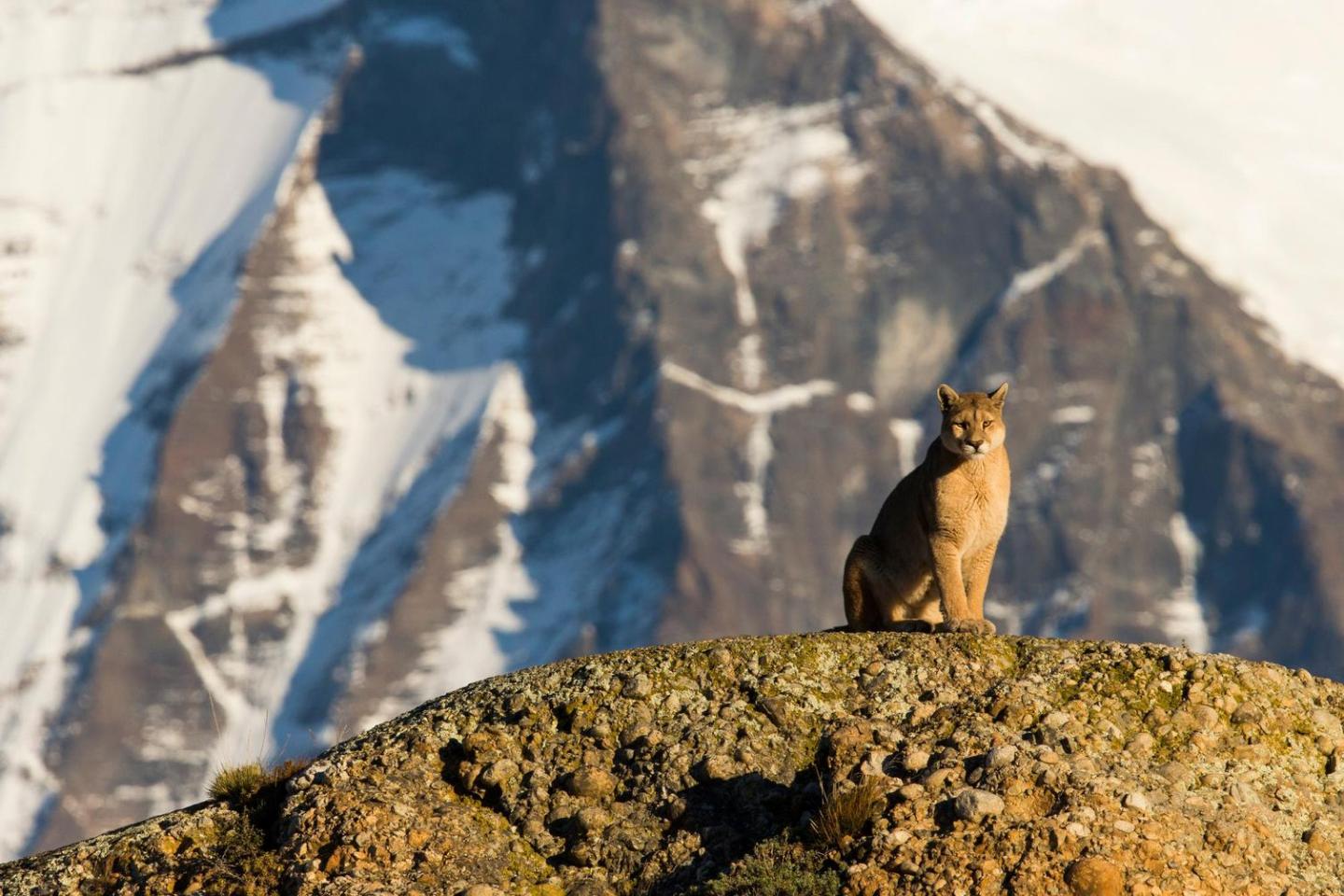
Puma
A mountain lion in Torres del Paine National Park, Patagonia, Chile © Sebastian Kennerknecht

The protocol is already influencing policy: the Torres del Paine Municipality has used it to create a puma-viewing ordinance, and it has been added as an appendix to a national wildlife viewing standard. The protocol is currently available in Spanish and English. Panthera and our collaborators also plan to develop guide certifications, educational videos, and printed materials like leaflets and posters to promote safe and responsible wildlife tourism in 2026. This will ensure that the guidelines are known and respected by guides, tourism agencies and visitors. 

By combining science, local knowledge and ecotourism, Panthera and our partners are building a model for coexistence that balances the needs of humans and pumas. With Chile’s tourism season in full swing, we encourage everyone to enjoy Patagonia’s wild beauty while protecting its iconic carnivores. 

These efforts matter far beyond Chile: the lessons learned in Patagonia — from community engagement to responsible wildlife-viewing practices — can help guide coexistence strategies wherever big cats and people share space. As puma tourism grows and human–wildlife interactions increase worldwide, the principles developed here provide a blueprint for safer, more sustainable wildlife tourism globally.

View the guidelines in Spanish or in English, and learn more about Panthera’s Puma Program.