The Lion Has Vanished
From the earliest markings on cave walls, one magnificent creature has roamed humanity’s imagination more powerfully than any other. The lion — symbol of strength, sovereignty, and divine protection. You grew up with The Lion King. You’ve seen the MGM lion roar. Lions are on flags, sports teams, zodiac signs, children’s toys. They’re everywhere in our culture.
But the living creatures that inspired all of this? They’re disappearing.
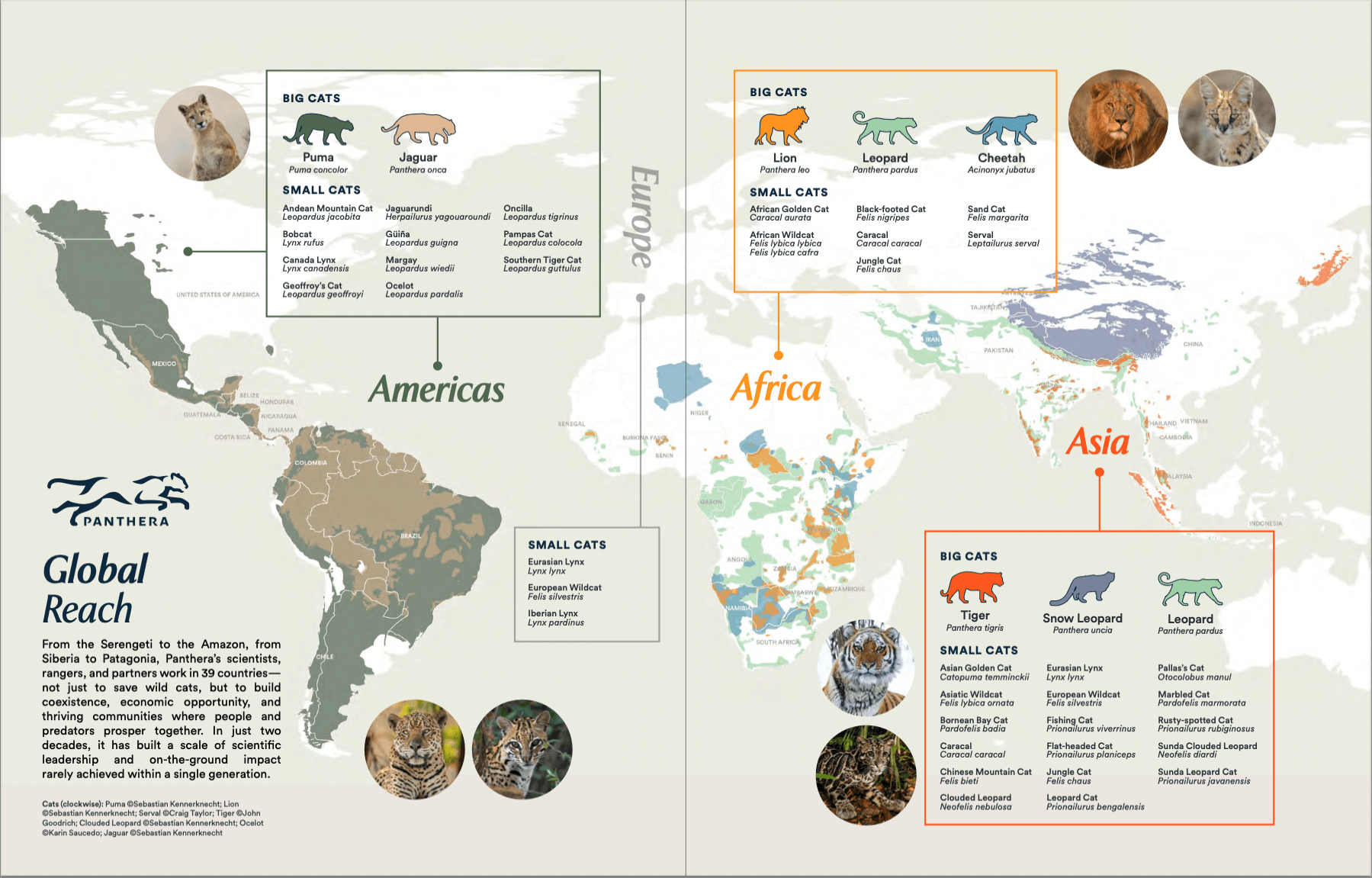
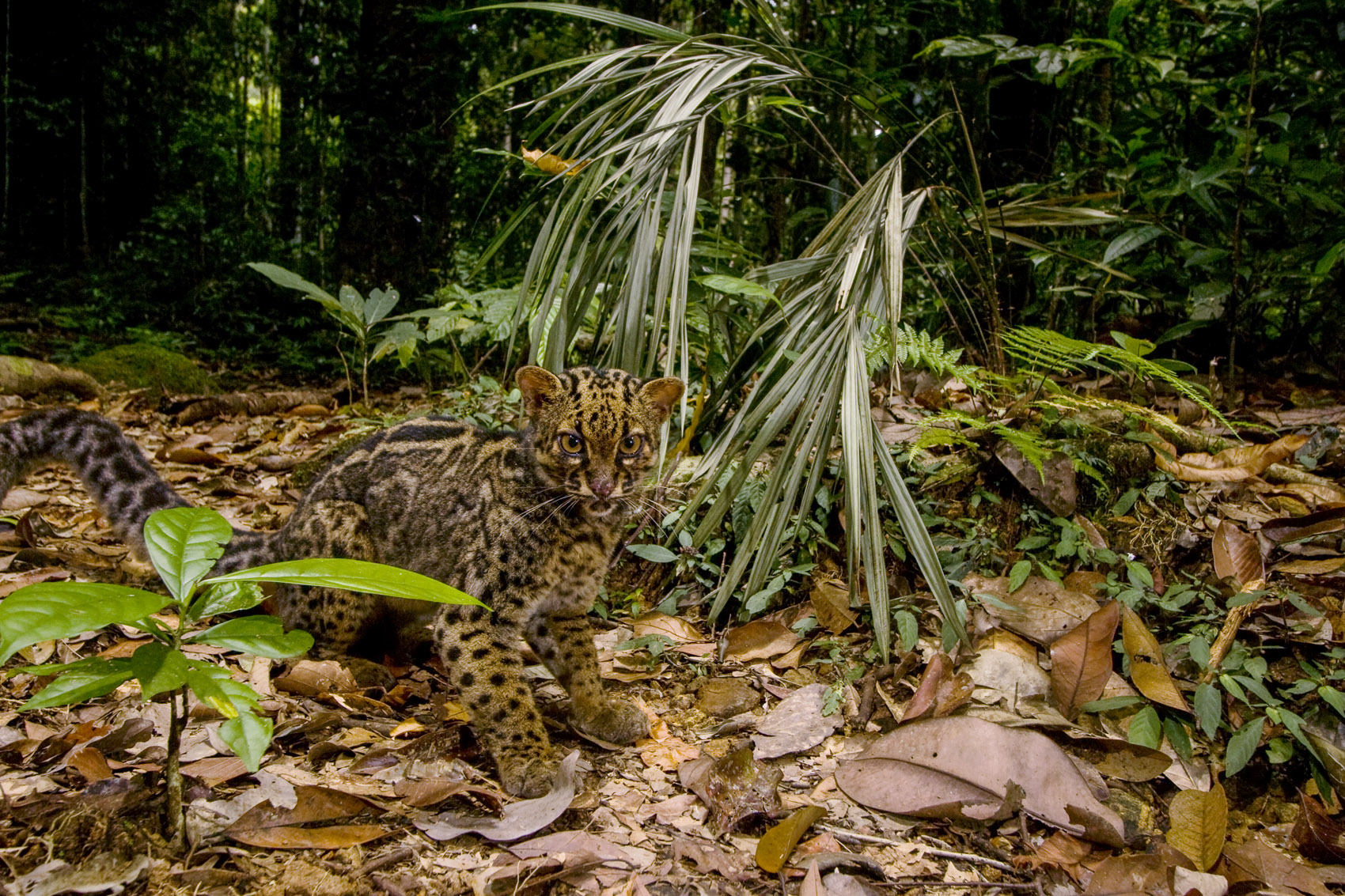
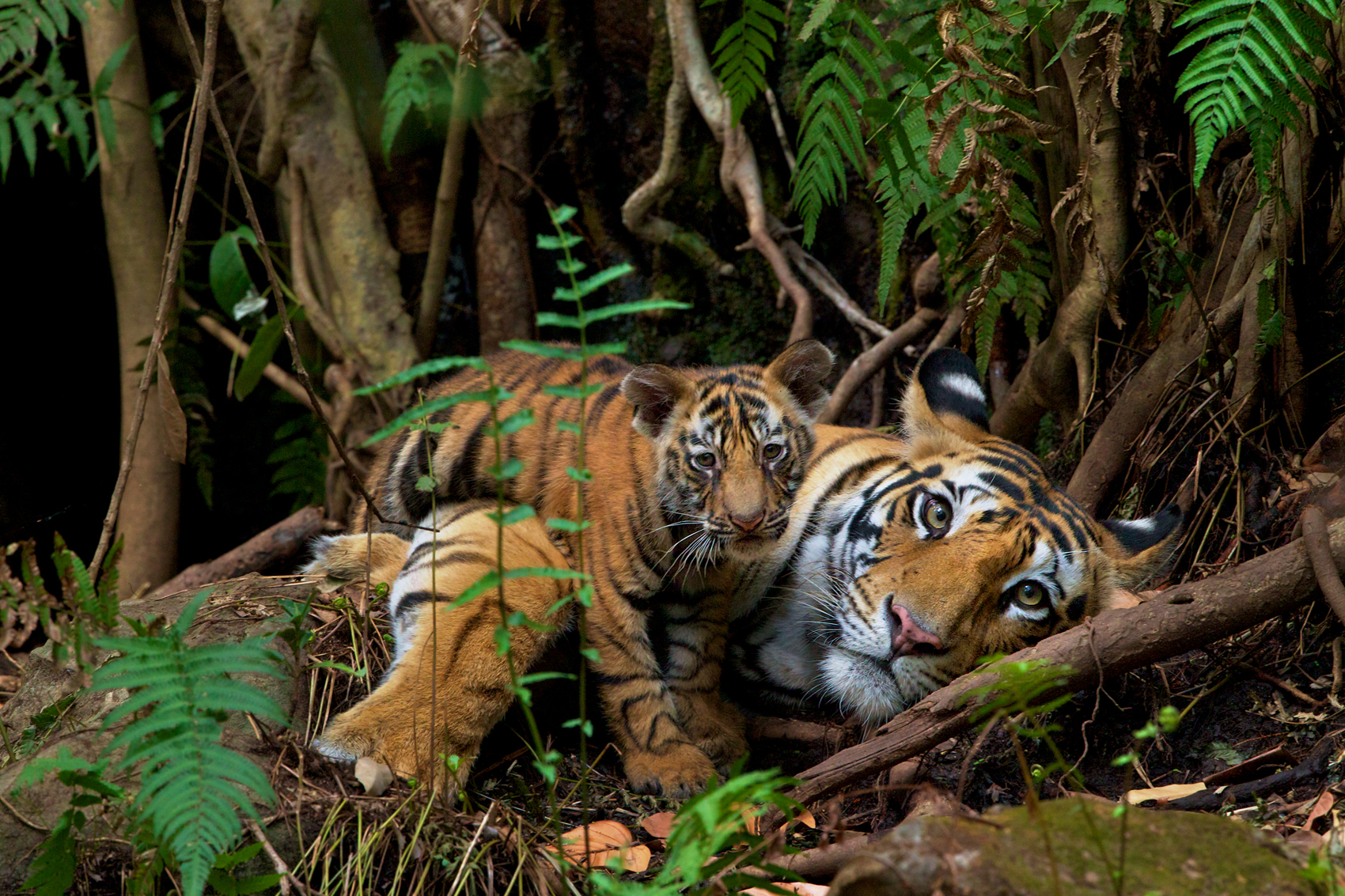
In the last century, lion populations have collapsed by nearly 90% — from 200,000 to barely 20,000 today. Tigers are down 95%. More than 40% of all wild cat species face extinction.
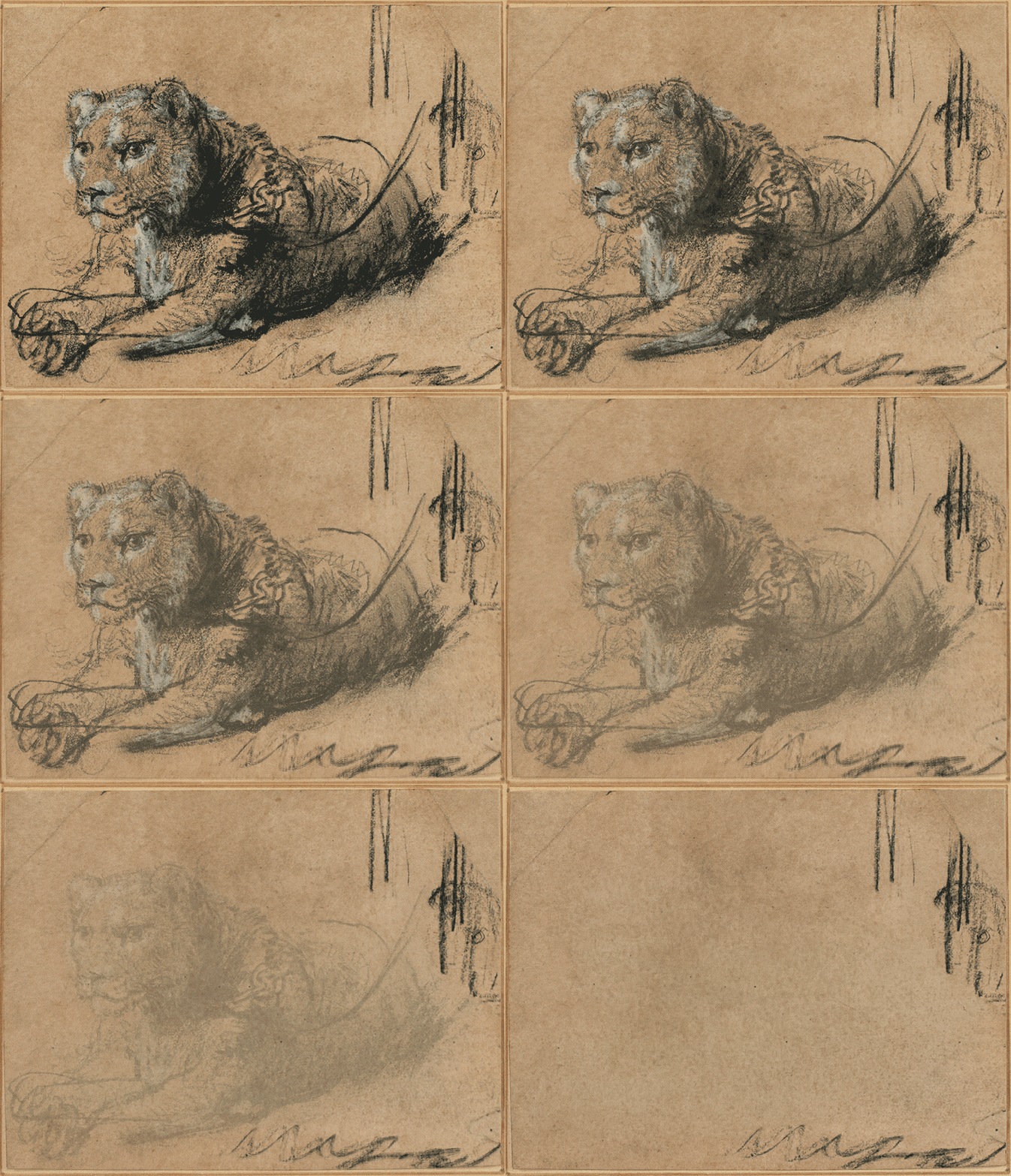
"Young Lion Vanished" draws a deliberate parallel between Rembrandt's 17th-century insights and today's rapidly accelerating biodiversity crisis — asking whether future generations will encounter lions as living animals or as mere historical representations. It sparks a conversation about extinction, legacy, and what we notice and feel when something iconic disappears.
On February 4, 2026, Rembrandt van Rijn’s Young Lion Resting (ca. 1638–42) was auctioned at Sotheby’s in New York.
Believed to have been drawn from life, this is the most significant drawing by Rembrandt to reach the market in a generation. It is also the only depiction of an animal by the artist to remain in private hands — with the other five lion drawings residing in major international museums, including the Louvre and the British Museum.
100% of proceeds will go to Panthera.
Two decades after Dr. Thomas S. Kaplan acquired Young Lion Resting — launching The Leiden Collection and co-founding Panthera — the drawing, now co-owned with Panthera Board Chair Jon Ayers, comes full circle in a historic auction that gives Rembrandt’s legacy back to the conservation of the living creatures that have inspired us all for centuries.
Because the symbols we celebrate, must live beyond the canvas.