


Why Tigers Are the Ultimate Biodiversity Champions

By Panthera

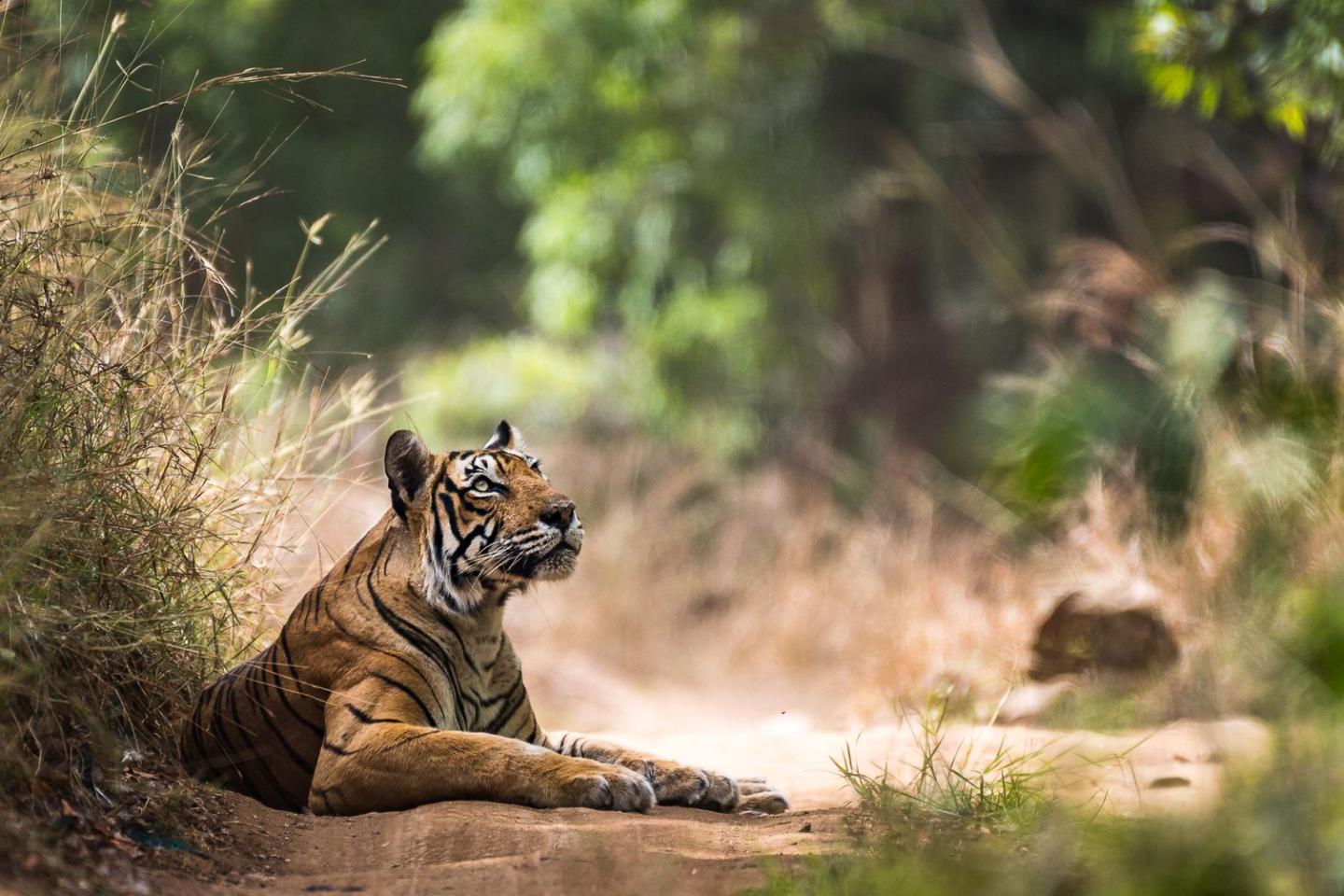
Krishna, a female tiger in Ranthambhore National Park, India
© Karin Saucedo

On May 22, the world marks International Day for Biological Diversity, a United Nations observance dedicated to protecting the variety of life that keeps our planet healthy. The stakes are high: 1 million animal and plant species are now threatened with extinction, and three-quarters of the land-based environment has been significantly altered by human actions. 

But there is reason for hope — and it has stripes. 

This year, we're celebrating by spotlighting one of nature's most powerful and surprising biodiversity champions: the tiger. 

More Than a Carnivore 

A tiger in Asia
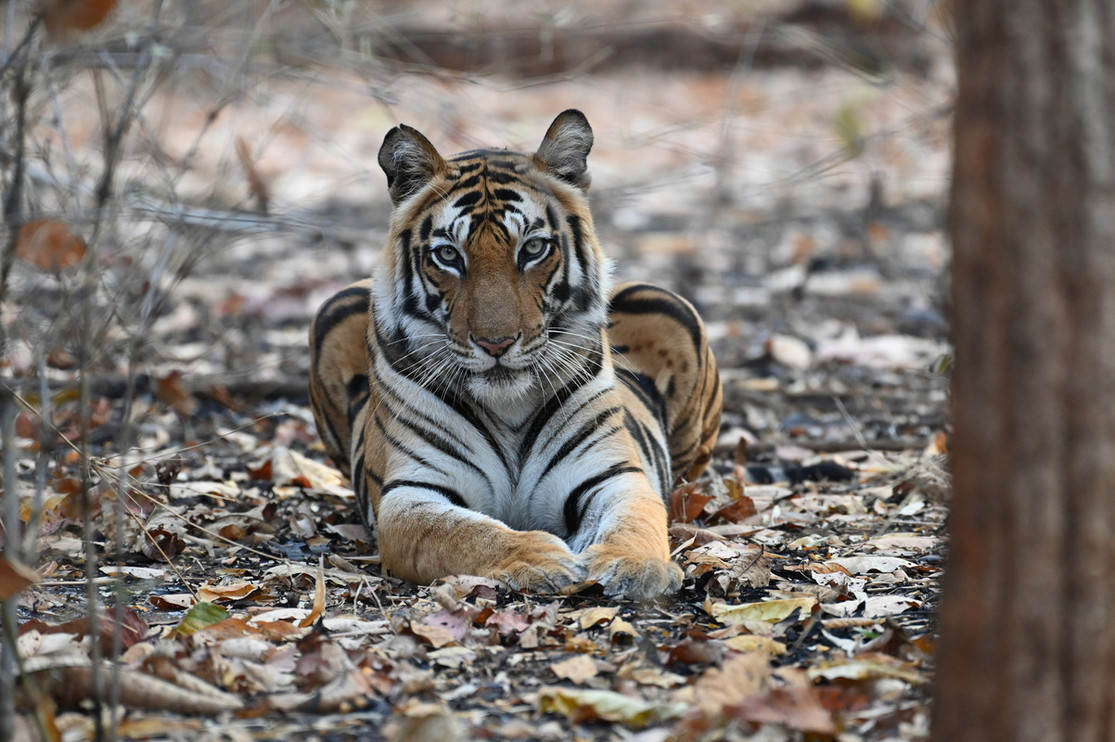
When tigers thrive, entire ecosystems thrive with them. ©  Shaili Patel.

Tigers are apex carnivores, sitting at the top of some of Asia's most complex food webs. But their influence stretches far beyond what they hunt. When tigers thrive, entire ecosystems thrive with them. When they disappear, the effects ripple outward in ways scientists are still working to fully understand.  

Tigers shape their ecosystems in at least five distinct ways: 

  1. Controlling competing carnivores 
  2. Regulating prey populations 
  3. Changing other animals' behavior 
  4. Provisioning other species through their kills 
  5. Supporting the genetic health of their own populations 

That influence plays out most clearly in how tigers restructure the predator community around them. Where tigers are present, mesopredators (mid-sized carnivores like Asiatic wild dogs and wolves) adjust where they hunt, what they eat and how often they appear. 

“What continues to surprise me is how much a single tiger shapes the world around it,” says Abishek Harihar, Director of Panthera’s Tiger Program. “Protecting tigers means helping entire communities of species most people will never see.” 

The Kill Site Effect 

A tiger in Bandhavgarh Tiger Reserve, India
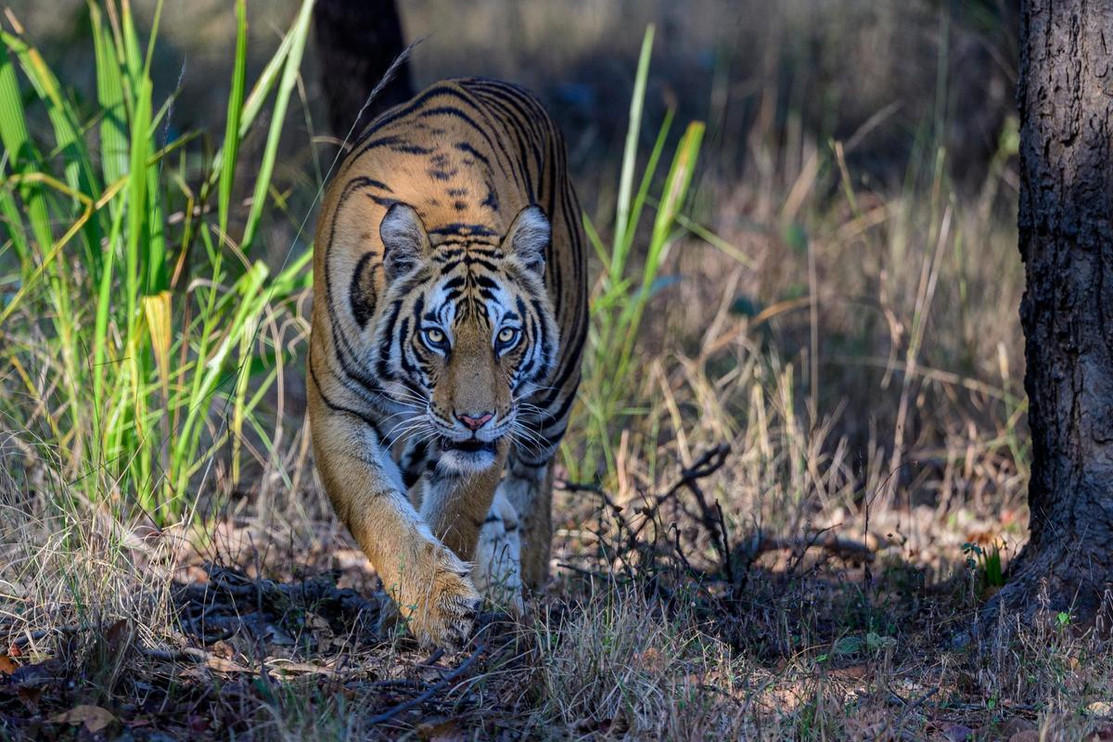
A female tiger in Bandhavgarh Tiger Reserve, India. © Nick Garbutt. 

What happens after a tiger makes a kill is just as important as the hunt itself. Individual tigers provide roughly 1,500 kilograms of biomass — organic material derived from living or recently living organisms — to the wider ecosystem every year.  

Corvids (ravens, crows and jays) have been documented getting more than half their daily food from a single tiger kill. Scavenger species richness at kill sites is measurably higher than in surrounding areas, particularly in winter.  

Evidence from other large felid systems suggests that the benefits extend further still — to insects, soil microbes and plants — as carcasses decompose and return nutrients to the soil, effects that tiger kills are likely to generate at comparable or greater scale. 

The Guardian Effect 

Tigers also have a surprising relationship with forest health and climate. Recent research found that forests within tiger conservation areas store significantly more carbon and experience less deforestation than comparable forests outside them — tiger protected areas tend to be the best-protected forests in Asia, and the two rise and fall together. This means that saving tigers is also a meaningful climate strategy, and what our recent research terms as the Guardian Effect

Fear and Ecology 

The mere presence of a tiger changes how other animals, such as deer and wild boar, behave. While the full extent of these behavioral shifts in prey species is still being studied, there is clear evidence that predation risk from tigers restructures activity and movement patterns across the wider animal community. 

Research has even shown that tiger scent alone alters the foraging behavior of mid-sized carnivores at fine spatial scales — and the effect is stronger where tiger populations are denser. 

A female tiger in Bandhavgarh Tiger Reserve, India
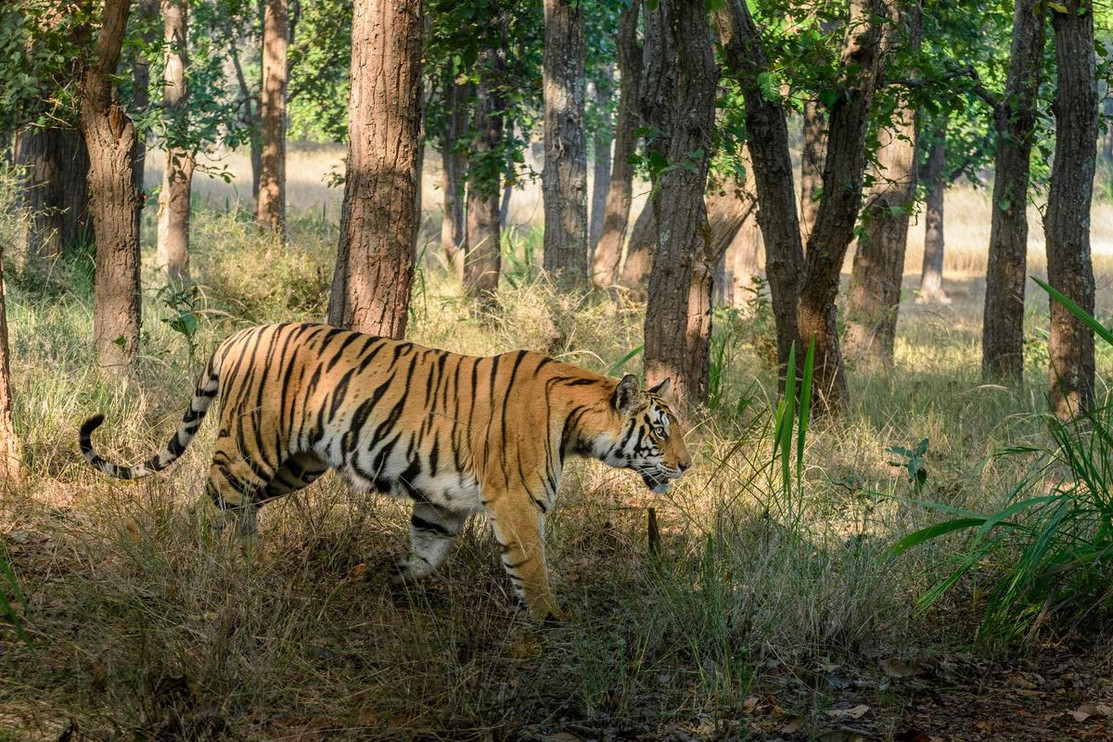
The mere presence of a tiger changes how other animals behave. ©  Nick Garbutt.

How Panthera Is Raising the Bar for Tiger Recovery 

Perhaps the most sobering finding from recent research: A forest can be home to tigers and still be ecologically hollow. Even as tiger numbers climb, the web of relationships among species can remain thin and fragile compared to forests where tigers have thrived for generations. Individual tigers moving through a landscape don't automatically restore the ecological role the species is supposed to play.  

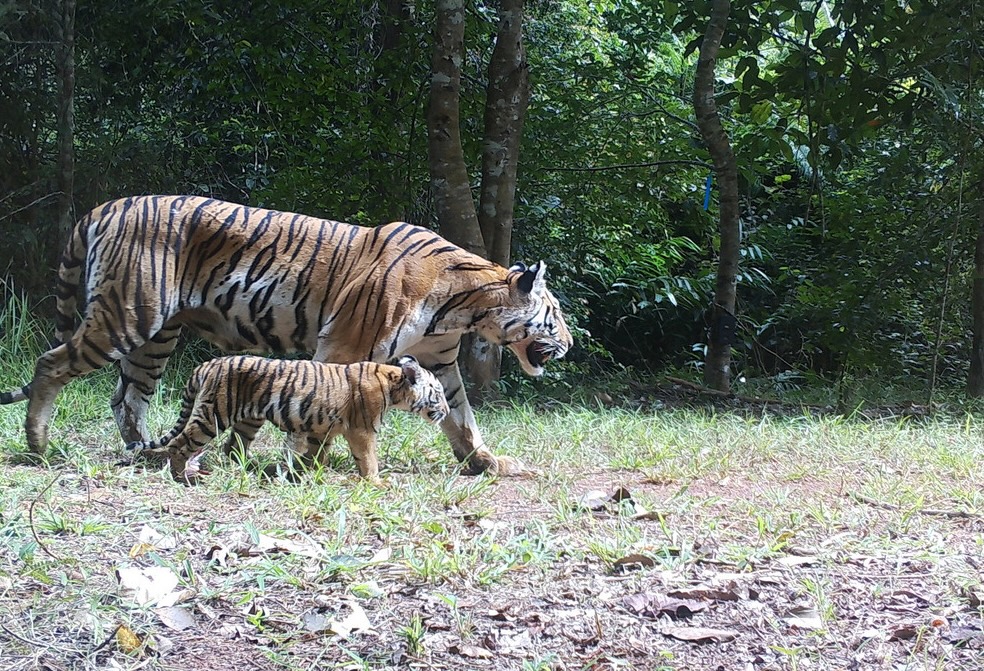
A tigress and her cub in Thailand's Dong Phayayen Khao Yai Forest Complex
A tigress and her cub in Thailand's Dong Phayayen Khao Yai Forest Complex. © 
Thailand DPKY/Panthera.

“Counting tigers was the right place to start, but it was never the finish line,” says Harihar. “A recovering population can still be ecologically nonfunctional.” 

“Encouragingly, several emerging efforts are beginning to address this gap,” Harihar adds. “This includes work led by Panthera and collaborators to develop monitoring approaches that move beyond abundance and incorporate ecological function, prey dynamics, connectivity, and the broader role large carnivores play in ecosystem recovery.” 

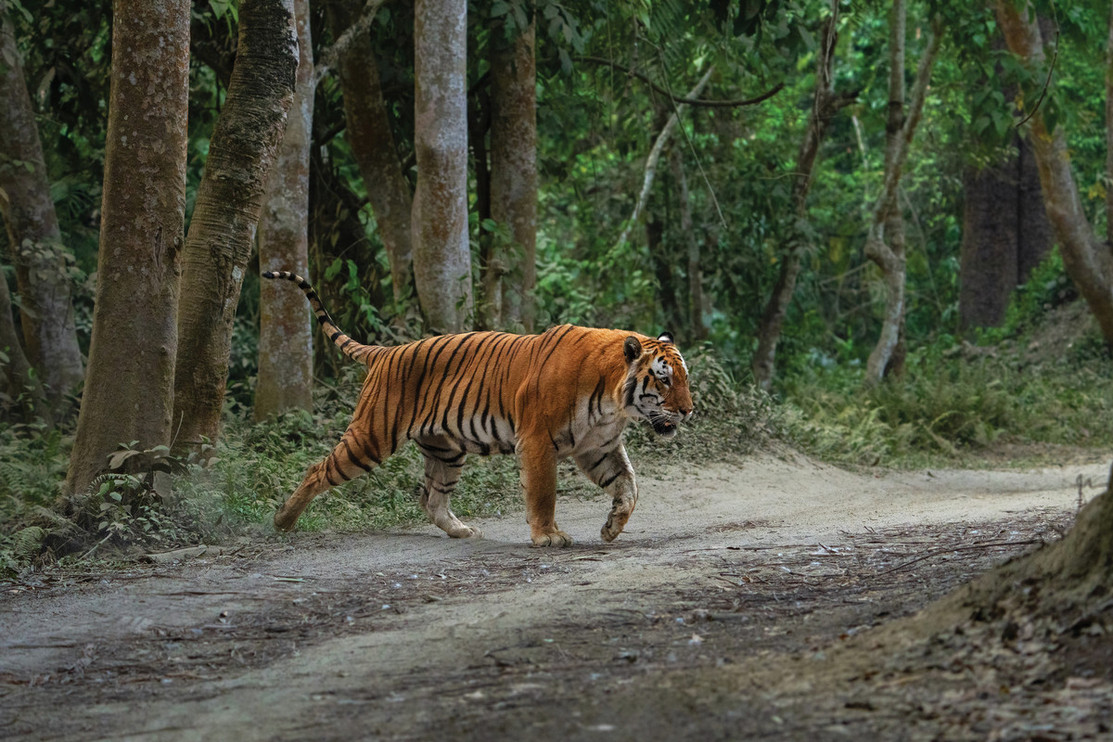
A male tiger: the king of Kaziranga, India
The king of Kaziranga, India, a Royal bengal tiger. © Sohail Inzaman.

Panthera's Tigers Forever program works with more than 20 partners across 25 sites in 11 countries — with active programs in Malaysia, Thailand, Nepal and Indonesia — to establish breeding tiger populations by reducing direct threats, strengthening ranger capacity, and restoring the ecological conditions tigers need: secure habitat, recovering prey and functional connectivity. They're also developing ways to measure not just how many tigers exist, but what those tigers are actually doing in their ecosystems. Across Thailand, Malaysia and Nepal, Panthera teams track prey populations, habitat connectivity and community dynamics alongside tiger numbers to determine whether tiger populations can truly recover. 

What that monitoring has revealed is striking. In India, tiger numbers were rising — but research showed that some populations were being sustained by tigers moving in from elsewhere, not by genuine local recovery. In Nepal, prey surveys shifted the conservation goal from counting tigers to measuring the prey base that tigers need to survive. In Thailand, monitoring showed that despite healthy survival rates, tigers were using only half their available habitat because prey populations had been depleted. In Malaysia, protecting tigers helped stabilize leopard and clouded leopard populations nearby — but prey depletion was still limiting full recovery. 

Across all four countries, the pattern is consistent: Counting tigers tells us whether a population persists; functional monitoring tells us whether it's thriving. 

Recovering tiger populations is an achievement worth celebrating. But the goal is ecosystems where these wild cats don't just exist but where they flourish, function and anchor the web of life around them. Panthera is leading the charge, this International Day for Biological Diversity and every day, to ensure that happens.  

Protect Tigers, Protect the Future 

Biodiversity isn't just about how many species exist in a place. It's about how those species interact — the checks and balances, the cascading effects, the quiet ecological work happening every day in forests most people will never see. Tigers are central to that work across South, Southeast and Far East Asia. 

When we protect tigers, we protect the prey they regulate, the scavengers they feed, the forests they guard and the communities that depend on all of it. 

“Tigers are still here. That's worth celebrating, and it's also a responsibility,” says Harihar. “We know what healthy tiger populations can do for forests, the climate and biodiversity. The question is whether we'll act while we still have the chance to protect them at the scale that makes a difference.” 

Learn how Panthera is working to recover wild tiger populations — and how you can help.

Want to track a real tiger and support conservation? Panthera has partnered with Fahlo to bring you the Prowl Bracelet, which lets you follow an individual Indochinese tiger through Thailand. Every purchase helps protect tigers and the ecosystems that depend on them.