


Which Big Cats Purr? 

By Panthera

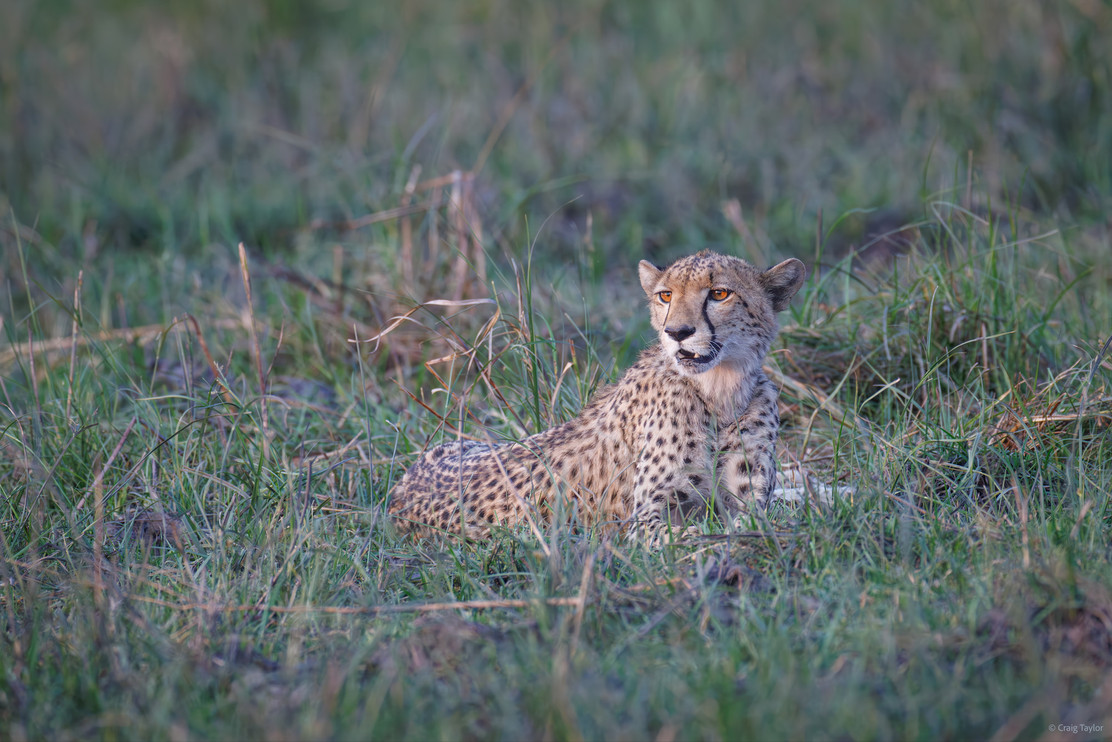
Cheetah
© Craig Taylor 

Purring is one of the most recognizable feline sounds. In domestic cats, it is often associated with comfort or social bonding. Not all wild big cats purr, though, and the behavior is closely tied to anatomy, evolution and behavior. 

The Anatomy Behind Purring and Roaring 

Purring and roaring are determined by the structure of the hyoid bone and larynx. Big wild cats capable of roaring — lions, tigers, leopards and jaguars — belong to the genus Panthera. These species possess a partially ossified hyoid bone and a flexible larynx that allow them to produce powerful, low-frequency roars. 

This anatomy, however, prevents true purring, which requires continuous vibration during both inhalation and exhalation. 

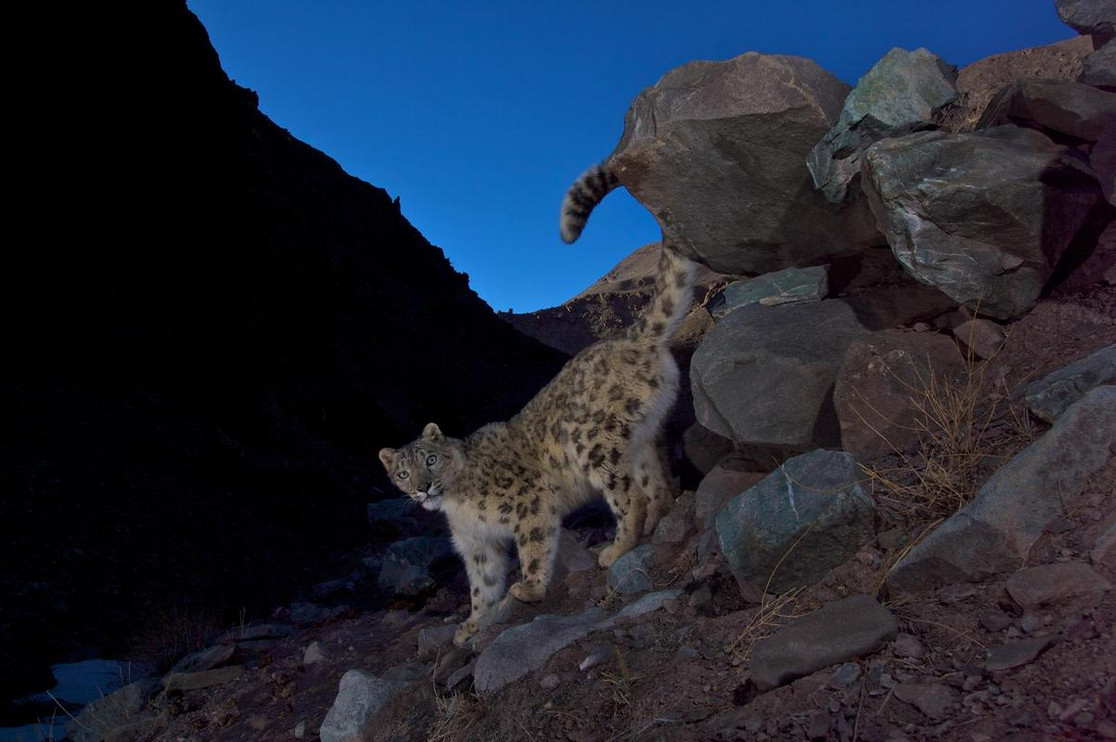
Snow leopard
Snow leopards  produce softer vocalizations, including chuffing, meows and purr-like sounds. © Steve Winter

Big Cats That Can Purr 

Several other big wild cats, including cheetahs, pumas and snow leopards, are capable of purring. 

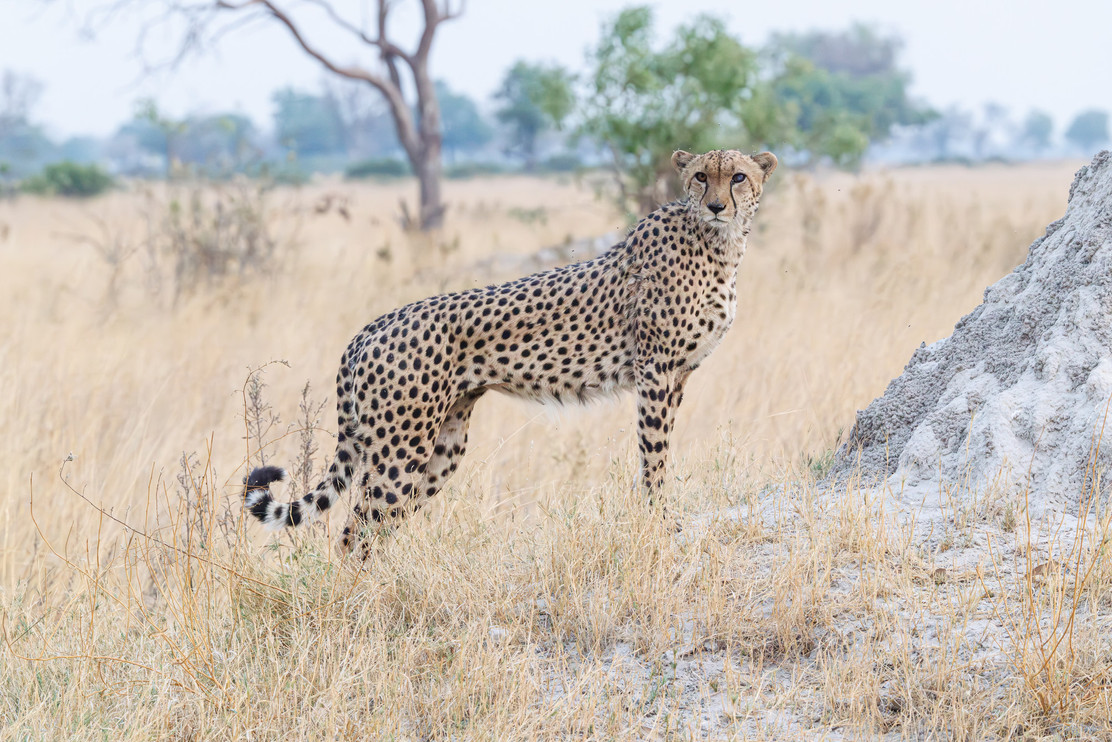
Cheetahs have a fully ossified hyoid bone that allows them to purr during both inhalation and exhalation. Cheetahs purr in a variety of contexts, including resting, grooming and nursing cubs, as well as during periods of stress or injury. 

Cheetah
Cheetahs have a fully ossified hyoid bone that allows them to purr during both inhalation and exhalation. © Craig Taylor 

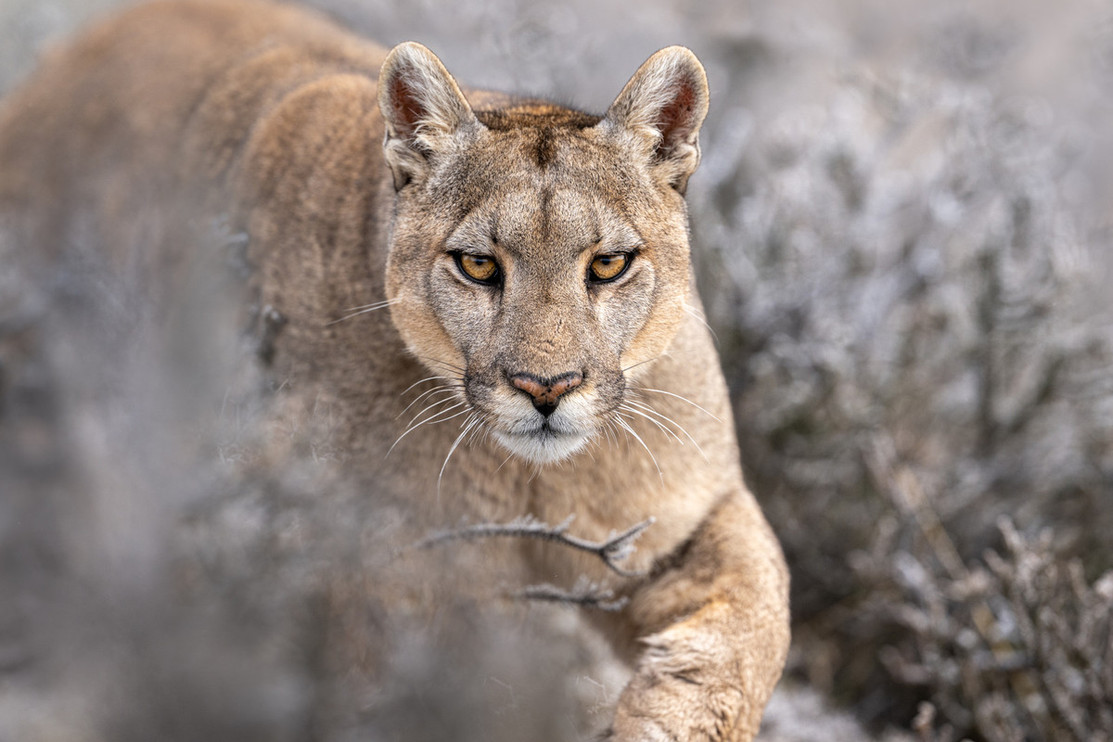
Pumas, also known as cougars or mountain lions, can also purr. Pumas produce a diverse vocal repertoire that includes purring, chirps, whistles, growls, and loud caterwauls.  
 
Snow leopards occupy a unique position. Classified within the Panthera genus, they cannot roar like lions or tigers. Instead, snow leopards produce softer vocalizations, including chuffing, meows and purr-like sounds. These quiet calls reflect their solitary behavior and the rugged, high-altitude environments they inhabit. 

Puma
Pumas produce a diverse vocal repertoire that includes purring, chirps, whistles, growls and loud caterwauls. © Nick Garbutt 

What Vocalizations Reveal About Behavior 

Feline vocalizations are closely linked to social structure and survival strategies. For example, lions rely on roaring to coordinate pride behavior and defend shared territory. Solitary species such as cheetahs, pumas and snow leopards depend more on close-range communication, using softer sounds that reduce detection by competitors or prey. 

Why This Matters for Conservation  

Understanding how big cats communicate has direct conservation implications. Vocal behavior can help researchers monitor populations, identify individuals, and better understand habitat use, particularly for elusive or wide-ranging species. 
 
At Panthera, protecting big cats means safeguarding the full range of behaviors that allow them to survive in the wild. From the thunderous roar of a lion to the soft purr of a cheetah, these sounds reflect millions of years of evolution — and underscore the urgent need to conserve the ecosystems that sustain them.