


What Is Responsible Wildlife Tourism? How Panthera Is Setting the Standard

By Panthera

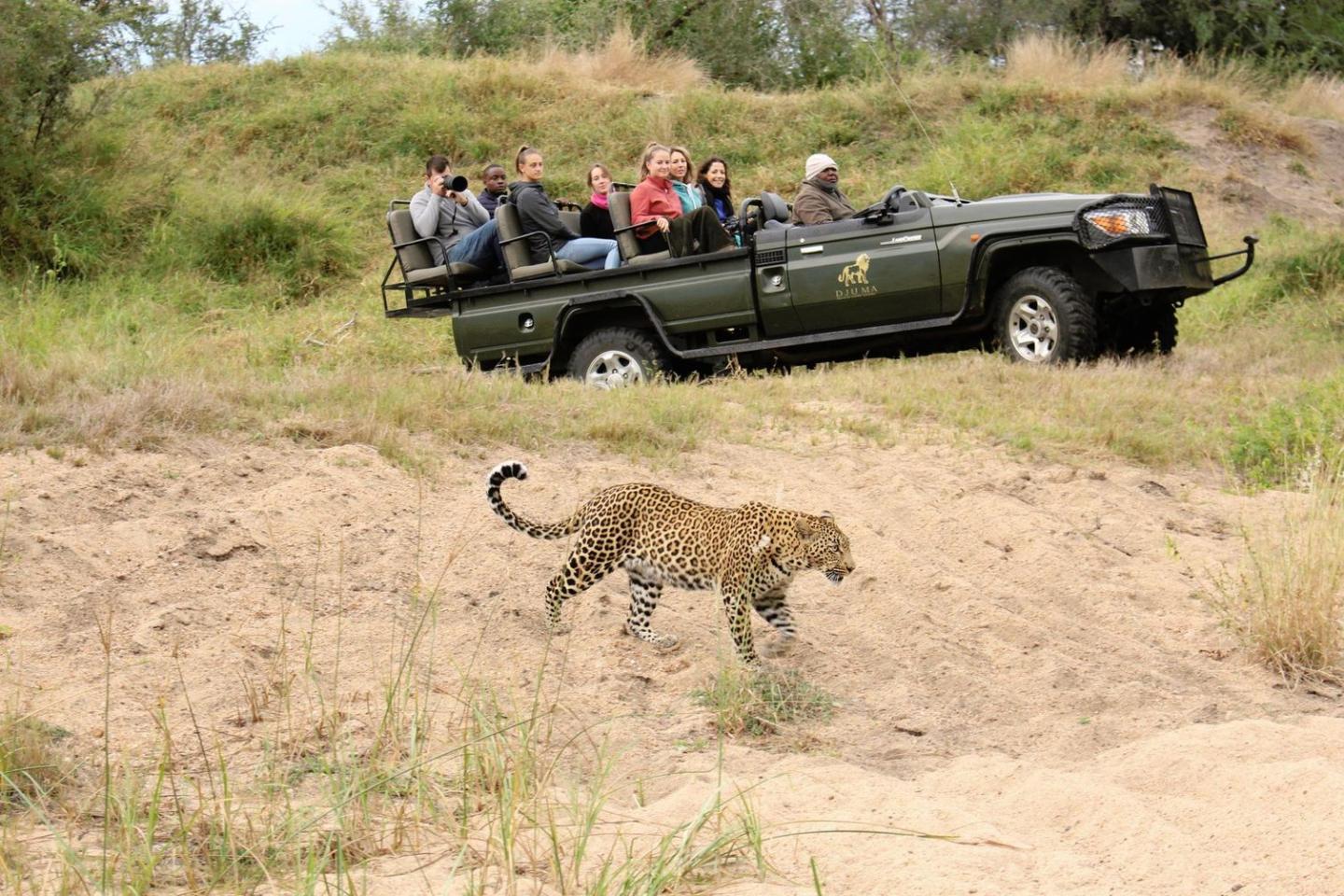
Tourists watch a leopard from a parked car in Sabi Sands
© Gareth Whittington-Jones/Panthera

Every year, thousands of travelers journey to the world's wild places hoping for a glimpse of a jaguar, a leopard or a puma living freely on its own terms. Those unforgettable encounters have the power to change people — and when tourism is done ethically, they make a positive difference for wild cats, too.

In honor of World Tourism Day on Sept. 27, we're celebrating the places and communities where wildlife tourism has become a conservation tool. From the waterways of Brazil's Pantanal to the ridges of Chilean Patagonia to the bushveld of South Africa's Sabi Sands, Panthera works alongside scientists, guides, local communities and conservation partners to make responsible wild cat tourism a reality.

Responsible Tourism in Action

Pantanal, Brazil: Jaguars on the Riverbank

The Pantanal is home to some of the highest densities of jaguars on Earth. For more than a decade, the northern Brazilian Pantanal has been one of the world's most important laboratories for understanding how wildlife tourism and conservation can reinforce each other. In the Jofre region, Panthera has worked alongside guides, boat drivers and state agencies since 2011 to translate field research into practical norms: safe distances between boats and animals, group coordination protocols and a citizen science program that turns every sighting into usable data.

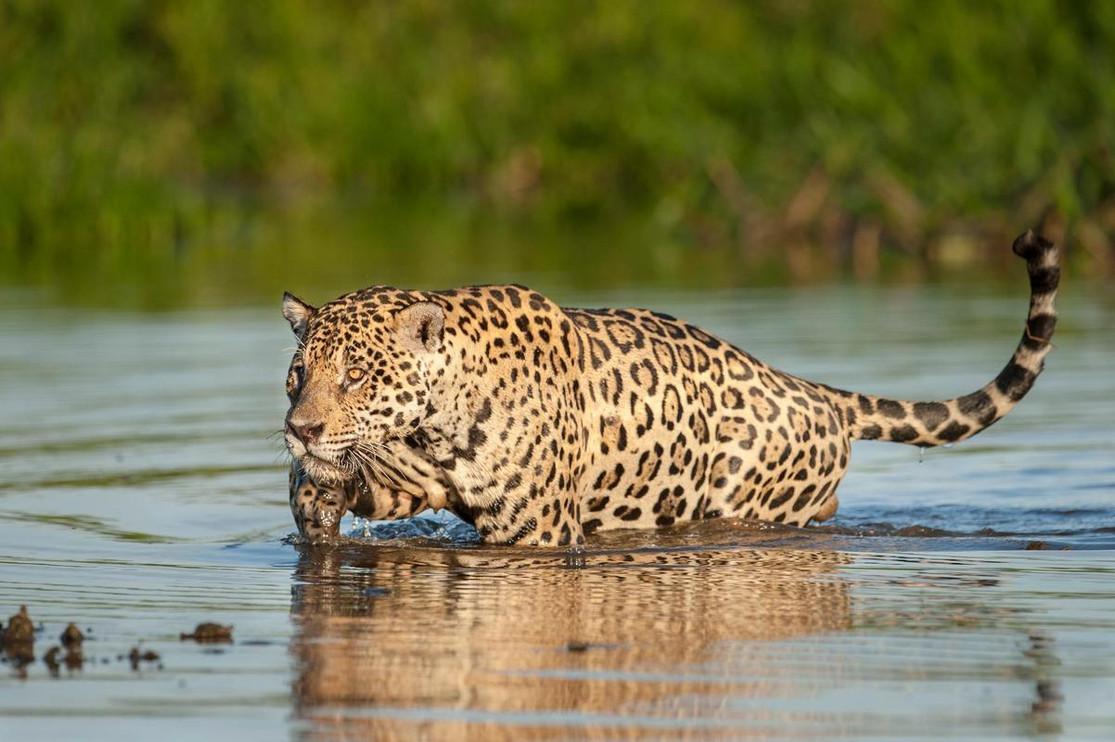
The challenge here is coordination. Dozens of boats work the same rivers, and when a jaguar appears on the bank, the pressure to get closer builds fast. Research from the Jaguar Identification Project found that boats within 10 meters have a high likelihood of triggering fleeing or hunt abandonment — while boats at 30 meters or more have minimal impact on jaguar behavior. When boats get too close, jaguars retreat — and the sighting is lost for everyone.

A jaguar stalks prey in a Brazilian river
A jaguar stalks prey in a Brazilian river. © Nick Garbutt

We partnered with the Jaguar Identification Project to gather guides, boat drivers and local stakeholders to build consensus and turn guidelines into habits. When guides understand that distance directly affects how long jaguars stay visible, the science becomes self-enforcing. Panthera shares tourism data with state agencies, helping inform government strategy in a region where reliable ecotourism metrics have been scarce.

The results extend beyond the riverbank. Ranchers who once killed jaguars as a threat to livestock now recognize them as an economic asset, and some have even become Panthera conservation partners. Responsible tourism has shifted the culture around wild cats in the Pantanal in ways that policy alone never could.

"A key benefit of responsible wildlife tourism is improving tolerance for jaguars," says Fernando Tortato, Conservation Program Coordinator at Panthera Brazil. "Tourists can help create coexistence. In the recent past, jaguars were widely seen as villains that needed to be eliminated. Today, they're seen as heroes of the Pantanal as respect and acceptance of them grows."

Patagonia, Chile: Writing the Rules in Real Time

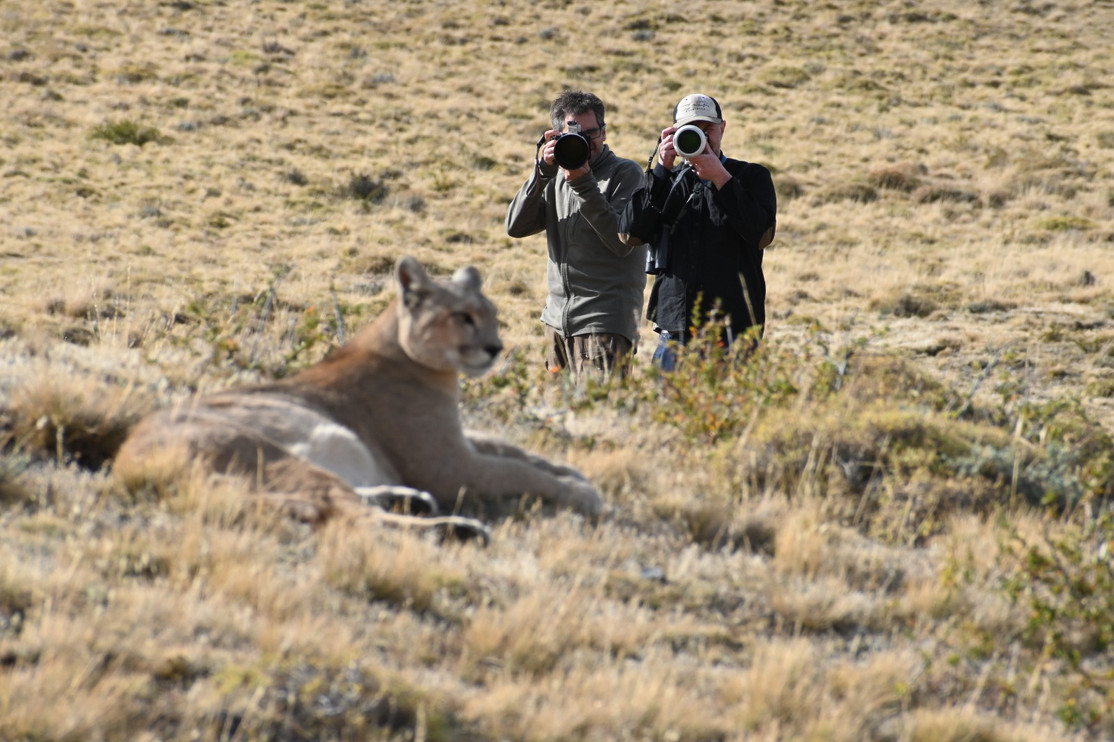
Puma tourism in Patagonia grew faster than the guidelines to govern it. What started as occasional sightings became a thriving industry, and Panthera remote camera research began revealing the cost: tourism is apparently negatively impacting pumas, and animals are actively avoiding areas near trails and roads during peak tourism season.

Tourists photograph a puma in Patagonia, Chile
Tourists photograph a puma in Patagonia, Chile. © Mauricio Montt/Panthera

That research built on an earlier discovery. When Panthera began working in Patagonia in 2019, studies found that puma tourism was actually improving how local ranchers viewed the cats — suggesting that, done responsibly, tourism could be a powerful tool for human-puma coexistence. The protocol set out to protect those benefits while preventing the harm that unmanaged growth could cause.

Panthera, in collaboration with The Nature Conservancy, Torres del Paine Municipality, SERNATUR and Fundación Legacy, helped develop and finalize the first-ever wild cat observation protocol in the Americas in August 2025. The protocol was built through participatory workshops with local stakeholders including guides, puma trackers, government agencies, hotels, tourism operators and ranchers. It covers legal requirements, guidance for responsibly promoting the activity, protocols for before and during a sighting, emergency management and the need for formal guide certification.

It has since been adopted into local ordinance by Torres del Paine Municipality and appended to Chile's national wildlife viewing standard. Among the following steps, Panthera and collaborators are developing a guide certification program to be hosted in 2027, and the framework is already being explored as a model for Argentina, where puma tourism is just beginning to grow.

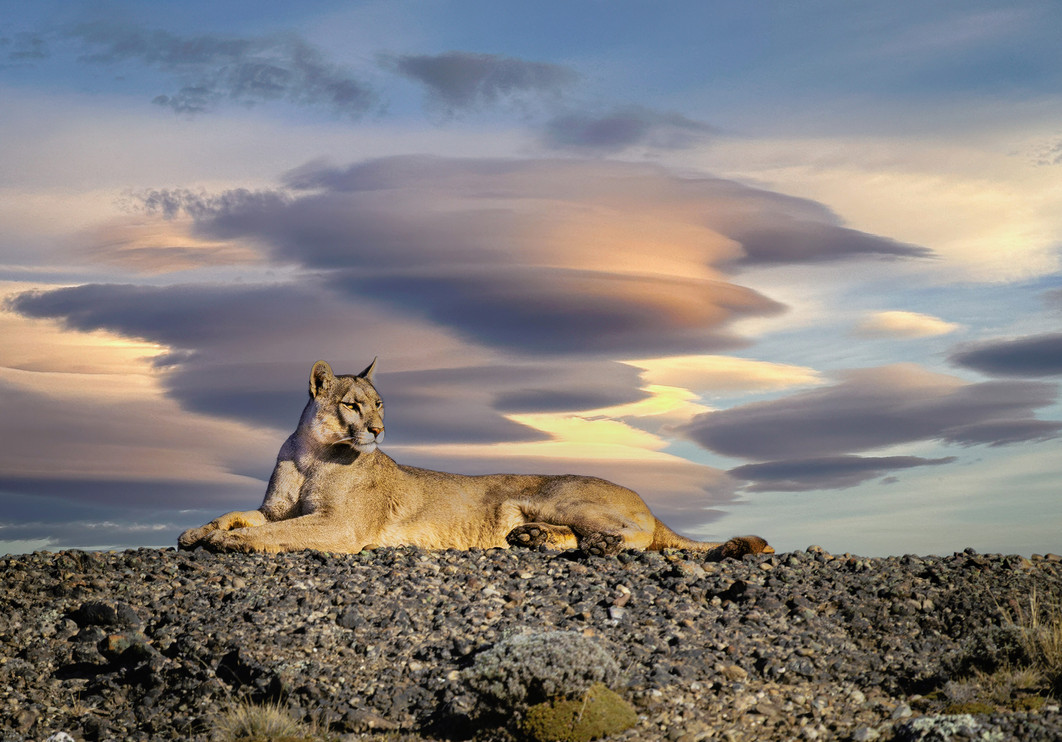
A puma in Torres del Paine
A puma in Torres del Paine. © Valarie Van Cleave

"Wildlife tourism has the power to change people's emotions and behavior," says Nicolás Lagos, Project Coordinator for the Patagonia Puma Coexistence Project at Panthera. "We promote tourism guidelines to conserve pumas and raise awareness about them beyond Chile, in a way that's safe for both animals and humans."

Sabi Sands, South Africa: Every Sighting Counts

At South Africa's Sabi Sand Game Reserve, generations of careful wildlife viewing have produced a leopard population relaxed enough around vehicles that researchers can observe behaviors like mating, territorial disputes and cub-rearing almost never seen elsewhere in the wild. This relaxed behavior, distinct from habituation that erodes natural instincts, is the direct result of decades of consistent, cat-sensitive tourism. People stay in vehicles. Group sizes are limited. Den sites are protected until cubs are old enough to observe without disturbance.

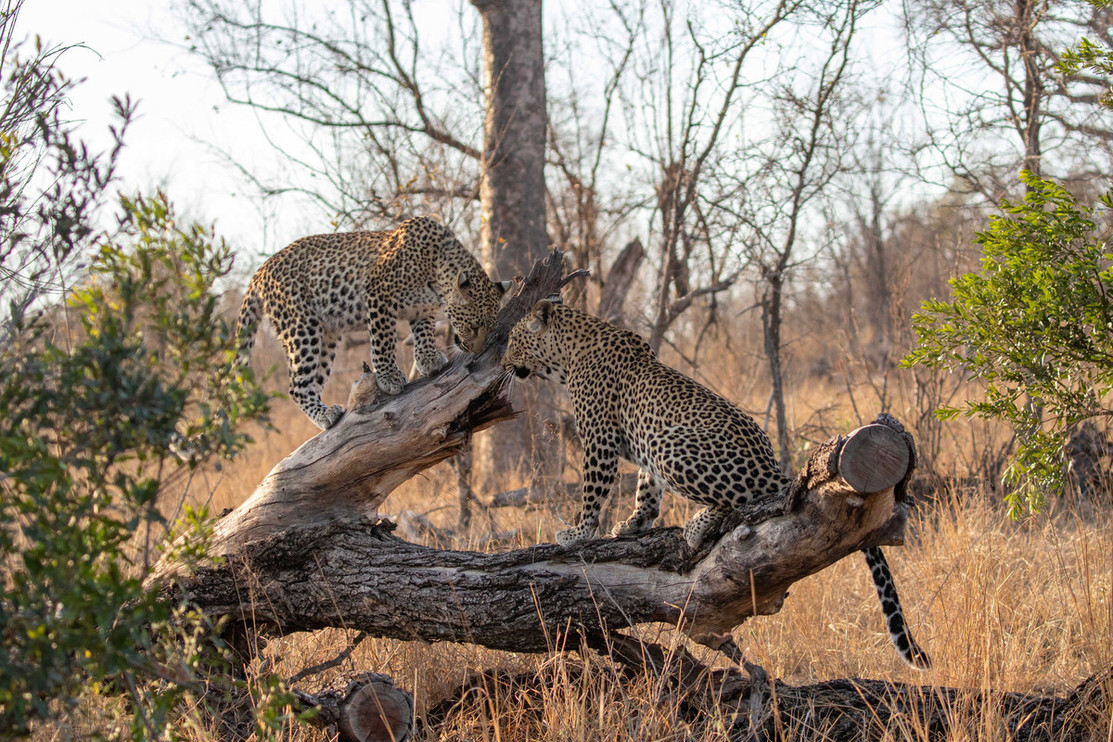
Two leopards at Sabi Sands Game Reserve in South Africa
Two leopards at Sabi Sands Game Reserve in South Africa. © Nikki Balme

"You can have incredible wildlife viewing experiences and keep natural boundaries in place, if you do it right," says Nikki Balme, Sabi Sands Leopard Project Coordinator. "But you need to get everyone committed to the same outcome. It takes time, but it can be done."

Panthera's Sabi Sands Leopard Project, running since 2009, is the most extensive individual-based leopard study in the world. Through a unique citizen science–style approach, rangers and trackers from 18 participating lodges log individual identity, location and behavior during game drives, then share records and photographs with Panthera's research team for analysis. More than 136,000 sightings have been recorded to date, building a living archive of leopard life histories across generations.

This long-term data informs leopard conservation decisions, such as guiding sustainable offtake practices and developing forensic tools to combat wildlife trafficking. It also helps conservationists understand how climate change will affect leopard populations over time.

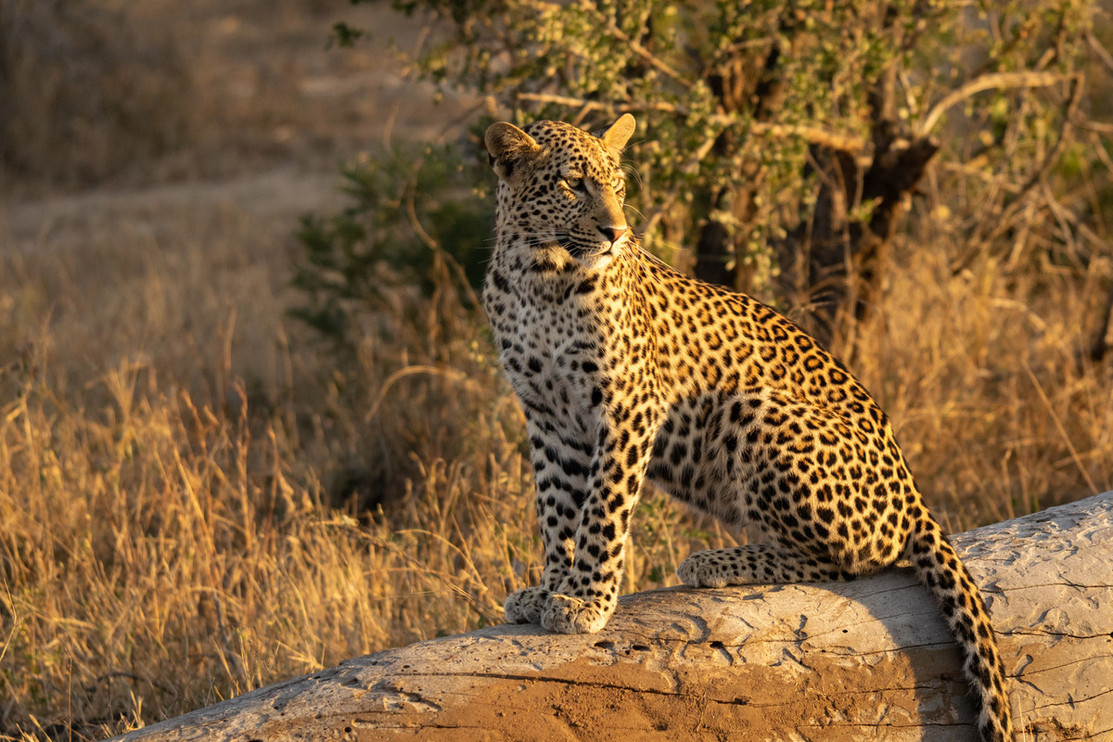
A leopard in Sabi Sands
Cat-sensitive tourism ensures leopards at Sabi Sands remain relaxed and undisturbed. © Nikki Balme

Tourism That Leaves a Legacy

When wildlife tourism is done ethically, the benefits ripple outward far beyond any single sighting. Communities gain economic alternatives that reward protecting wildlife. Ranchers come to tolerate — and sometimes champion — predators they once persecuted. And travelers get something no staged experience can offer: a genuine encounter with a wild animal living freely.

How to Practice Responsible Wildlife Tourism

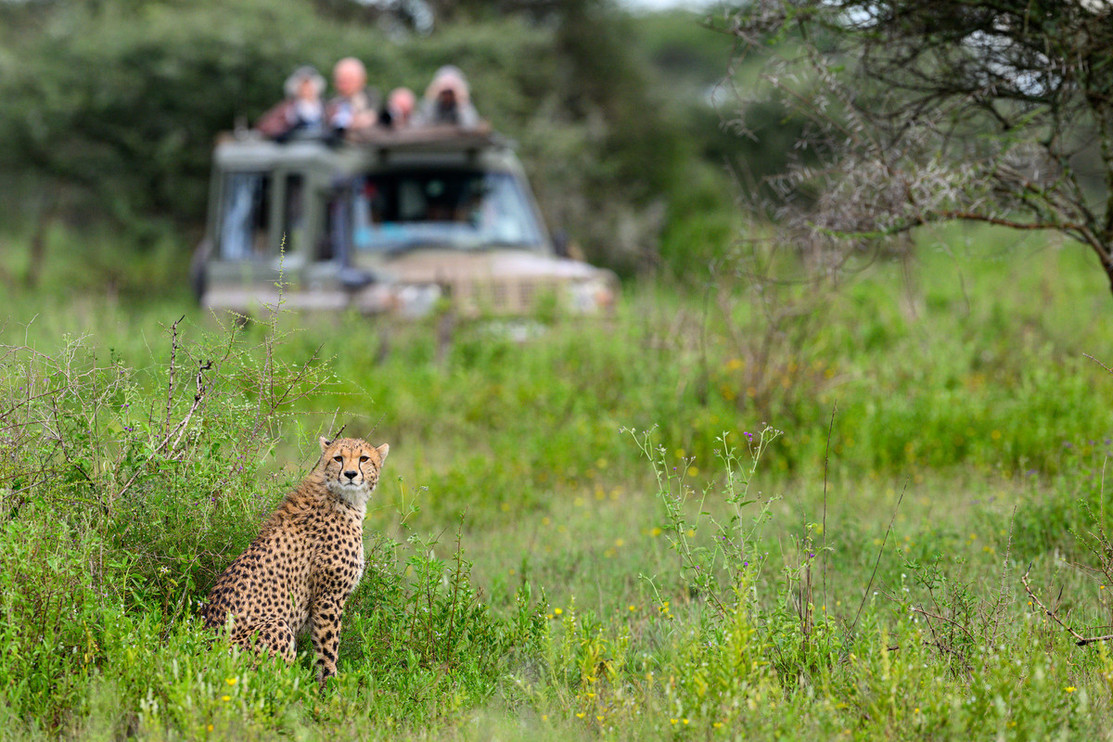
Tourists photograph a cheetah near Ndutu, Tanzania
Tourists photograph a cheetah near Ndutu, Tanzania. © Nick Garbutt

Each of these protocols was built on the simple premise that loving wild cats and protecting them are not separate pursuits. You don't need to be a scientist or a field researcher to be part of that. You just need to travel thoughtfully.

Keep your distance, and let wild be wild. The most powerful thing you can witness is a wild cat living entirely on its own terms. If an encounter feels staged or too close, trust that instinct — genuine wildlife tourism never requires an animal to perform.

Choose lodges and guides who limit group sizes, follow established protocols and partner with conservation organizations. When you book with them, your trip funds the research and community relationships that keep wild cat populations healthy.

Protect first, post later. Your photographs and stories have power to inspire others. Share the wonder, but leave out the real-time location details and geotagged den sites that can put animals at risk. What you post shapes what people expect, and what people expect shapes how tourism evolves. The best wildlife encounter you'll ever have is one that leaves the animal exactly as you found it.