


How to Photograph Wildlife Responsibly: Advice from Pros

By Panthera

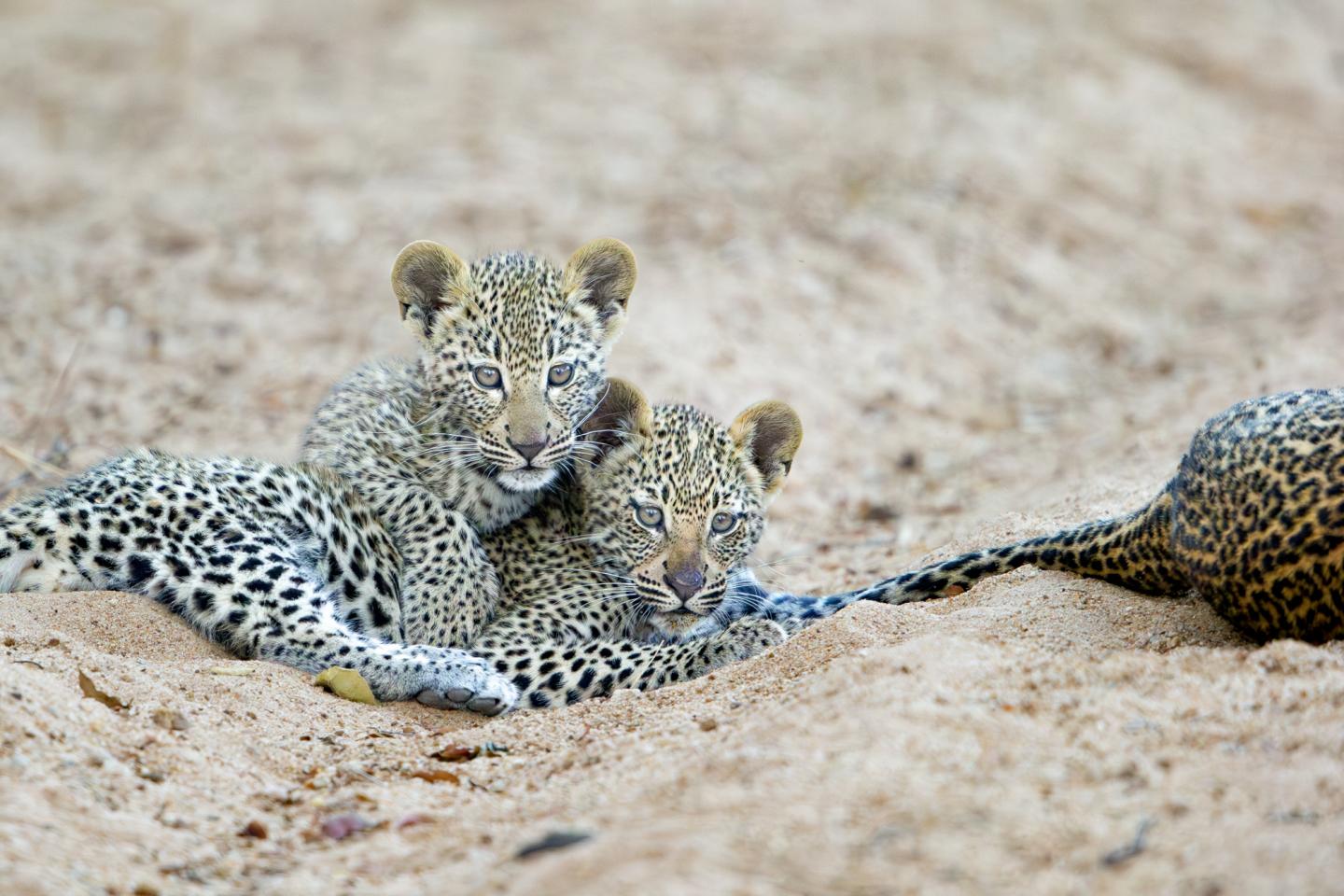
Two leopard cubs
© Steve Winter

Steve Winter has spent three months camping at 15,000 feet in the Indian Himalayas in subzero temperatures to photograph a snow leopard he never actually saw up close. Every image came from remote cameras he hauled up to 18,000 feet by hand. Together with his longtime collaborator Sharon Guynup, he spent a year building an undercover investigation into Thailand's Tiger Temple, ultimately helping prompt Thai officials to shut it down and seize 147 tigers. 

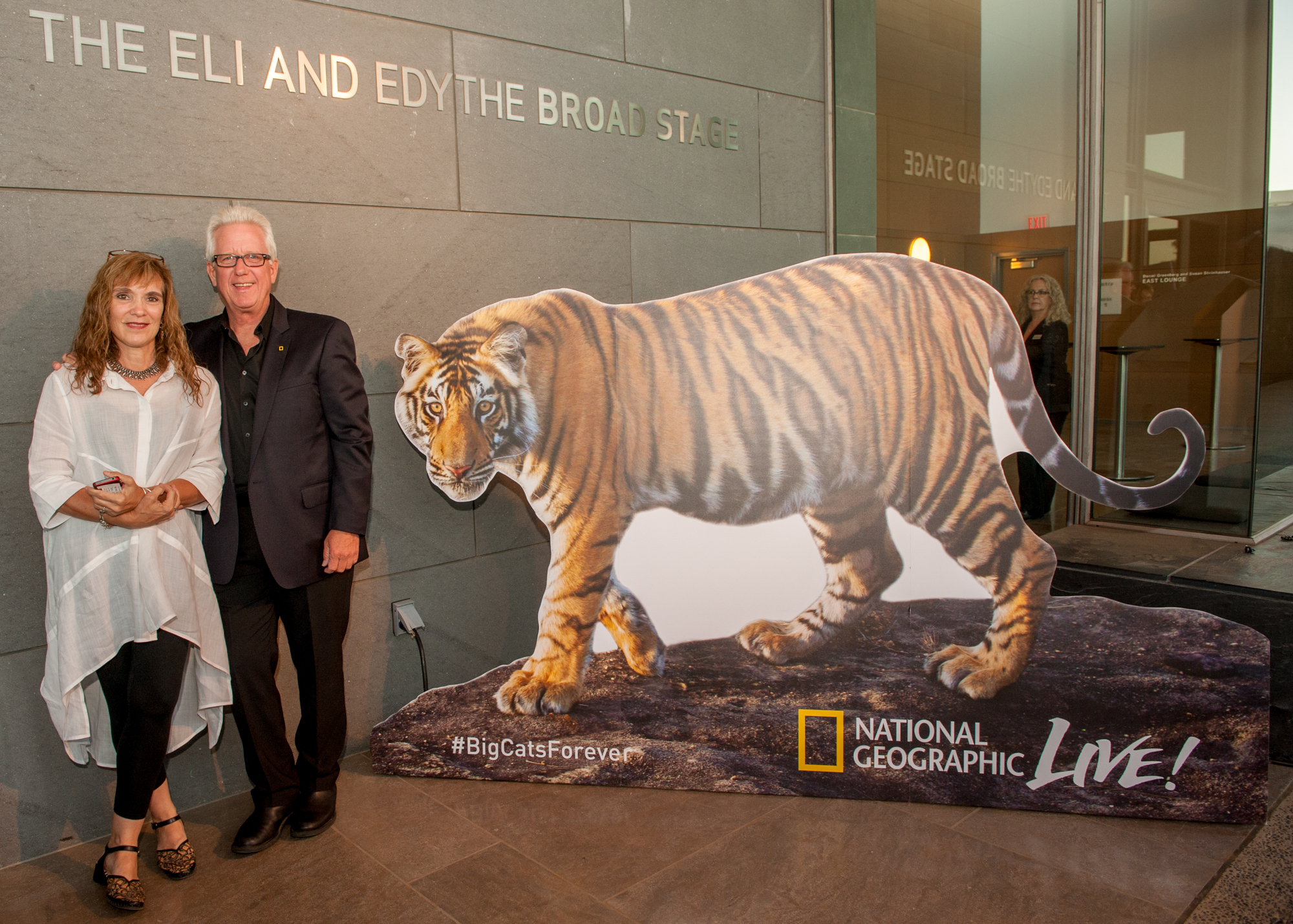
Sharon and Steve at the Broad Stage in Santa Monica, California
Sharon and Steve at the Broad Stage in Santa Monica, California, where Steve gave a presentation on big cats. © Sharon Guynup/Steve Winter

Together, the pair have covered jaguars in the Pantanal, lions in India's Gir Forest, leopards in South Africa's Sabi Sands and cougars in the hills above Los Angeles — accumulating a combined half-century of experience photographing wild cats for National Geographic. Now, they've put nine of their most consequential stories into a new book, Big Cats, released October 6 from National Geographic Books. 

Panthera sat down with Steve and Sharon to talk about what responsible wildlife tourism looks like in practice, and what every traveler should know before heading into big cat territory. Read the full Q&A below, and for a deeper look at how ethical tourism is shaping wild cat conservation from the Pantanal to Patagonia, read Panthera's guide to responsible wildlife tourism.

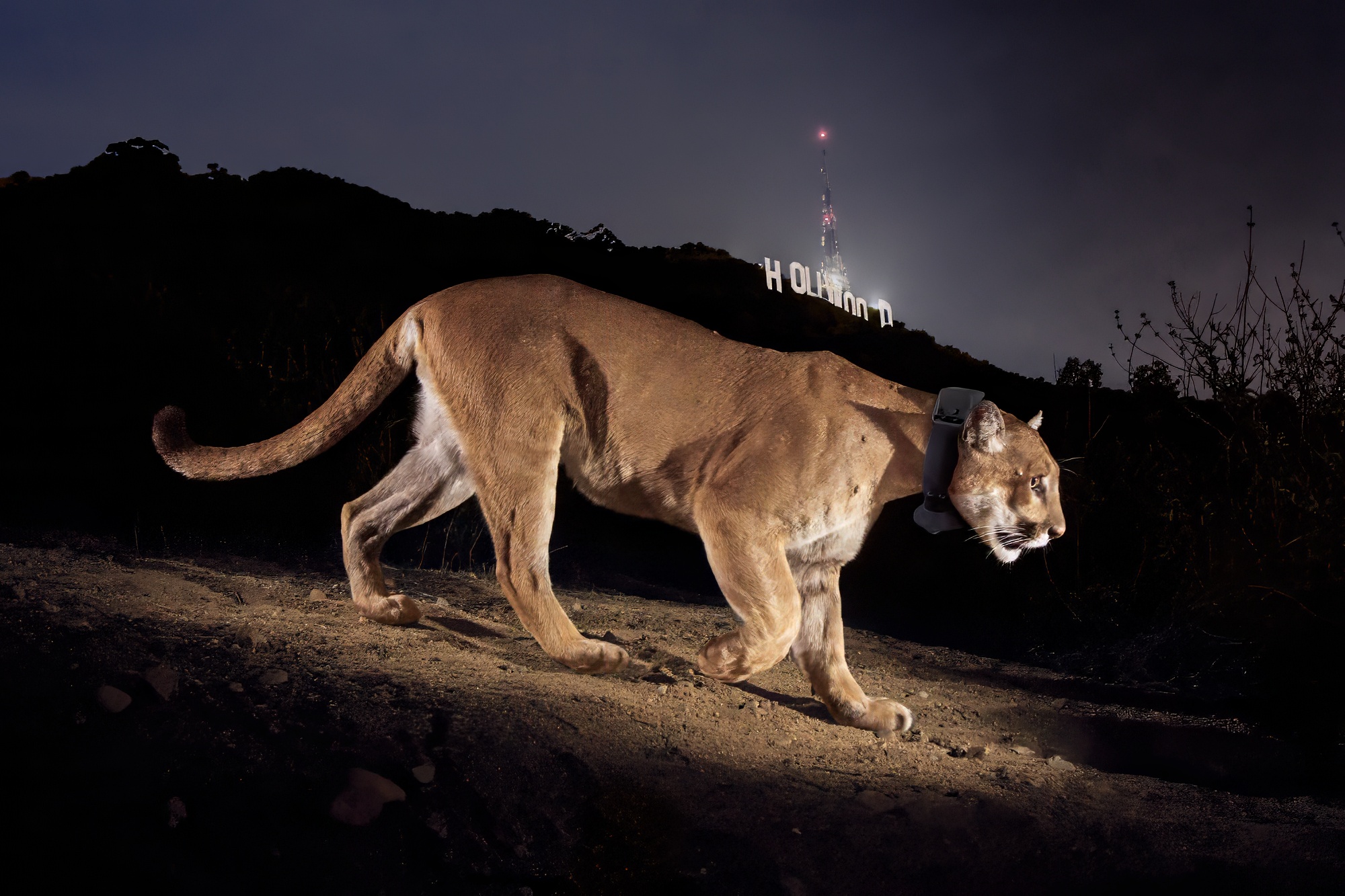
P-22, the iconic puma, in front of the Hollywood sign at night
P-22, the iconic cougar that inspired construction of the world’s largest wildlife crossing near Los Angeles. © Steve Winter 

What first brought each of you to big cats?

Steve: I didn't photograph an animal until I was 34 years old. My first story for National Geographic was on the quetzal, the sacred bird of the Mayan and Aztec peoples. One night, alone on top of a mountain in Guatemala, I heard floorboards creaking, scratching under the door, then sniffing. All the hair on my body stood up. I grabbed the walkie-talkie and called down the mountain. The naturalist I was working with laughed and said, "Steve, don't worry. It's just a black jaguar." I asked him why he hadn't told me in the five weeks I'd been there that I was living with the cat. He said, "We didn't want to worry you." That was the night that big cat chose me.

My next story for National Geographic was on jaguars, and on it went. I called Alan Rabinowitz, who became one of my best friends and was the CEO of Panthera. I asked him if it would be possible to do a jaguar story, because National Geographic had never done one. He agreed, and that started my life with cats.

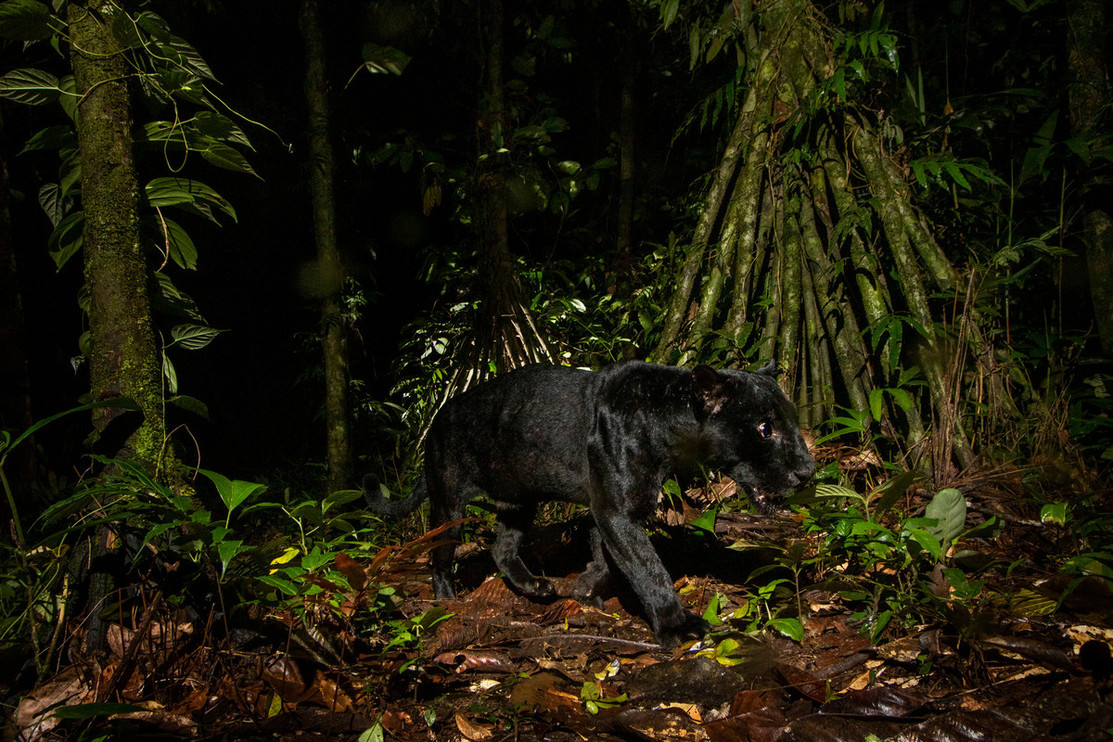
A melanistic jaguar in the rainforest at night
A melanistic jaguar like the one that Steve encountered in Guatemala. © Sebastian Kennerknecht

Sharon: I was a photographer for the first half of my career, and I found that the stories that most intrigued me were science and nature. So I went to graduate school at NYU and studied both environmental science and journalism. But before that, Steve and I had each had assignments in Costa Rica. We spent six weeks there, working closely with biologists, and it changed our lives. That was where the subject matter shifted, and we began focusing on the environment.

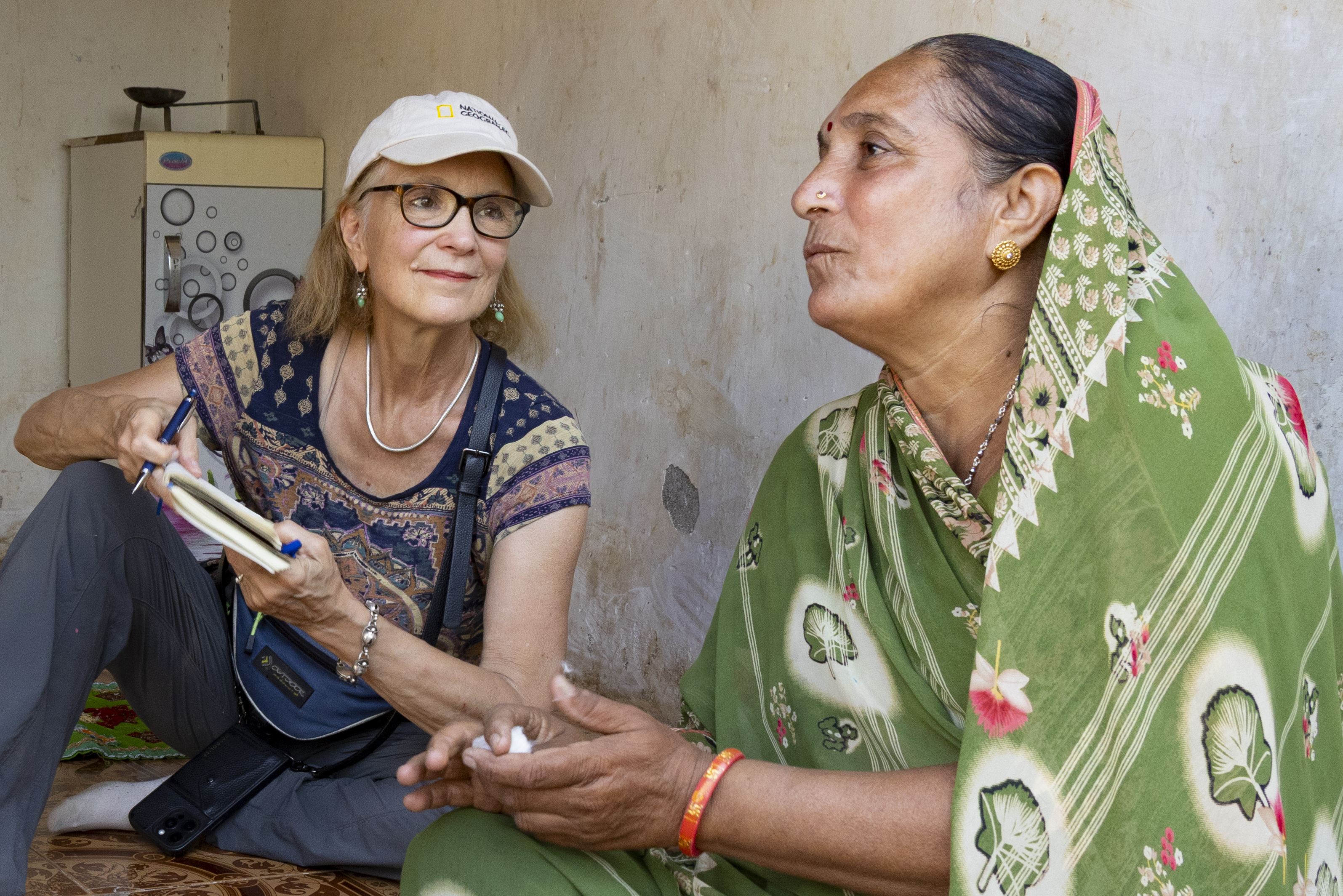
Sharon conducts an interview in the field.
Sharon conducts an interview in the field. © Steve Winter 

What keeps you coming back, even when the conditions are brutal?

Steve: I always want to do something that's going to make a difference. Even on that first jaguar story, I found something I knew had to change. The ranchers believed every dead cow was a jaguar's fault, so the only good jaguar was a dead jaguar. We worked with scientists to GPS-collar the cats and study their home ranges. It turned out less than 5% of cattle deaths could be attributed to jaguars, because there's so much natural prey. Right away it was clear: every story has a problem, every problem has a solution. Those are the things I look for. 

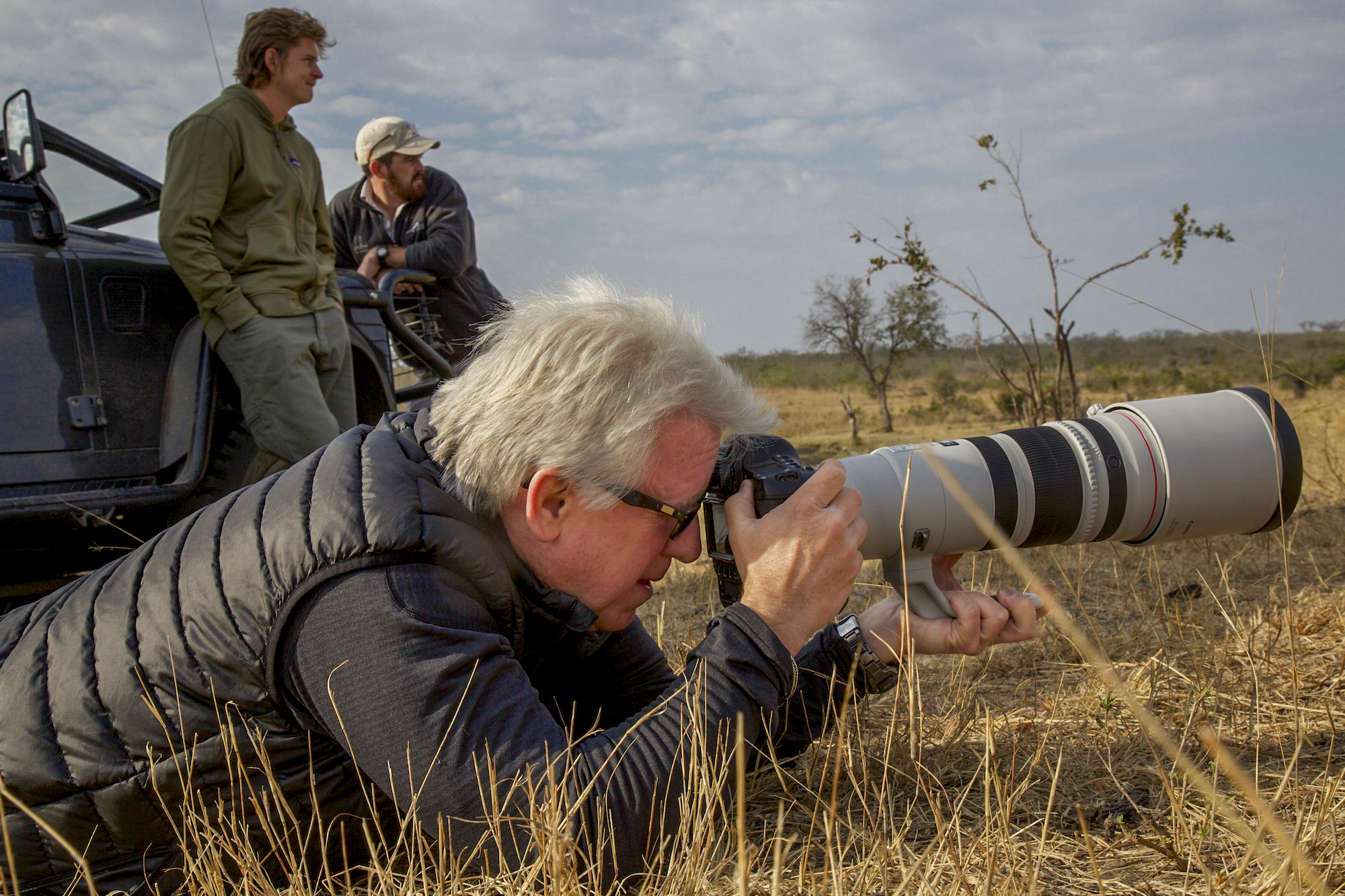
Steve Winter photographs leopards in the field
Steve Winter photographs leopards in the field. © Sharon Guynup

Sharon: I'm a journalist. I'm driven to tell stories. I choose projects based on whether they might move the needle — inform the public on an important issue, or inform policymakers who can change things with legislation. When we did the Tiger Temple investigation in Thailand, I'd never done investigative reporting before. That wasn't my training. But the outcome — officials raiding the temple, seizing tigers, shutting it down — showed what journalism can accomplish when you dig in. 

Walk us through what being unintrusive looks like in the field. Are there rules you always follow?

Steve: I learned to track from biologists and local people. When I'm out on safari and drivers get too close to an animal, I express my displeasure, but I do it through our driver and guide. I am a guest, so it's better that way. If I can't stand what I'm seeing, I leave. 

Sharon: If you’re disturbing that animal's life, you’re impacting its potential survival. Maybe it needs to be sleeping. Maybe it needs to be hunting. Whatever it is, if you're really intruding, it's not a good thing.

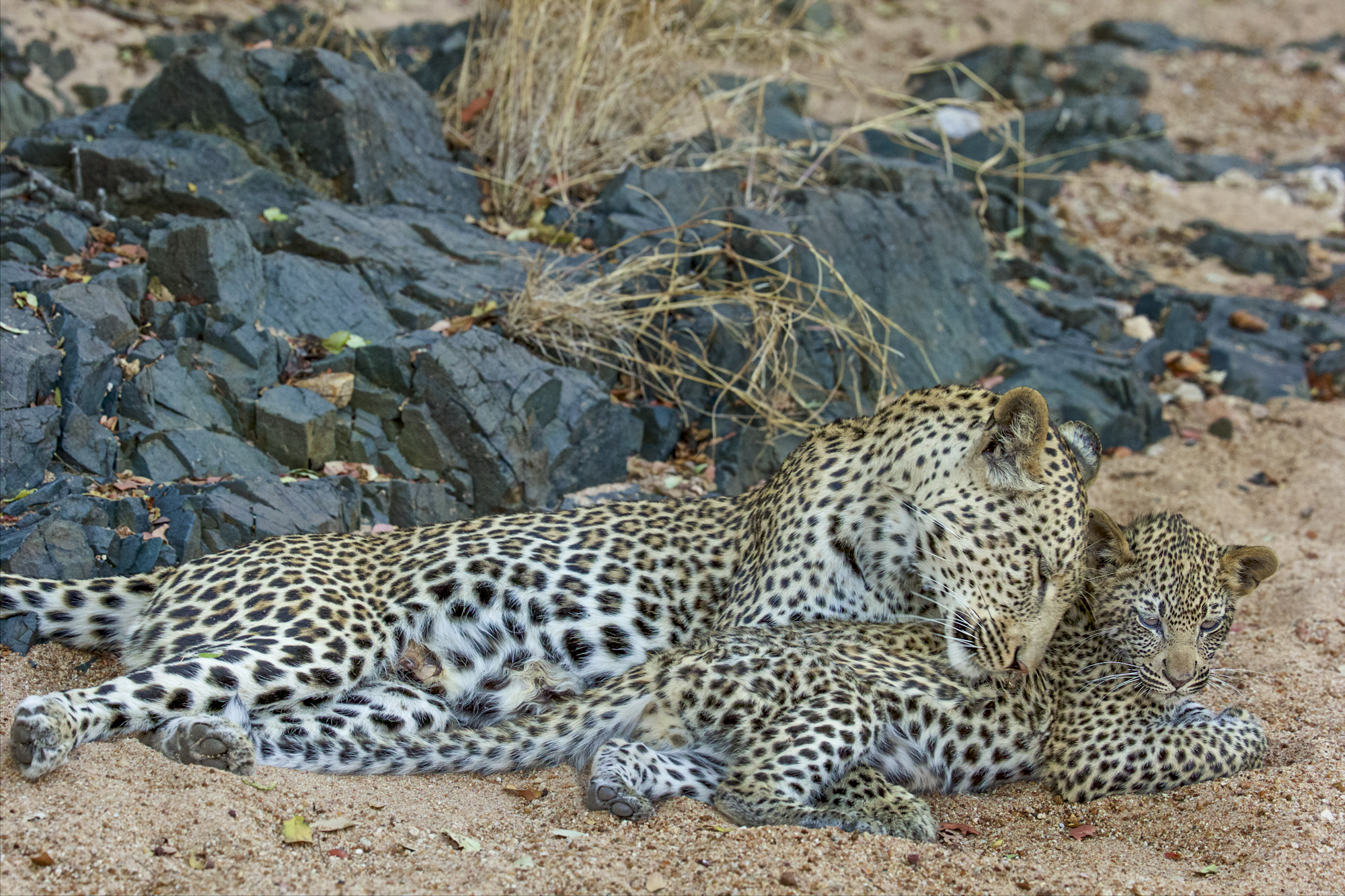
Steve did a story on leopards in Sabi Sands. The animals were calm, acclimated to vehicles because there were no hunters and the guest numbers were managed well. But if a leopard ever seemed uncomfortable, he'd leave and come back the next day. The question every tourist needs to ask themselves is: What really matters — having a picture to post, or having leopards and lions and tigers for a long time into the future?

A leopard with her cub
A leopard and her cub. © Steve Winter

How do you know when you've gotten too close?

Steve: Animals have personalities, just like humans. I can read that, and if I get a bad feeling, I pay attention to it. If an animal keeps moving away, I just say forget it, we'll go find something else. You never know, finding something else could be incredible. But what it won't do is make the animal uncomfortable.

What's the single biggest mistake you see tourists make?

Sharon: People on safari become overly obsessed with bringing back pictures. That might mean they infringe on an animal's territory or do unsafe things. Respect has to be at the forefront. Take your cues from the animals. Watch them, whether they’re moving away, how their eyes are moving.

What should people look for when choosing a safari or tour operator?

Sharon: If animals are being mobbed by too many boats or vehicles, that causes harm. There are certified organizations and travel outfits that promote ethical tourism. A good search will show you those operators.

When it comes to venues that offer hands-on animal encounters, that's where you have to be most careful. A tiger cub is adorable. But the backstory on how that animal got there, what its life is, and what its future holds — that's dark. Pretty much any situation where you're handling a wild animal that isn't domesticated is not a good thing. The animals' welfare and their future are both at stake.

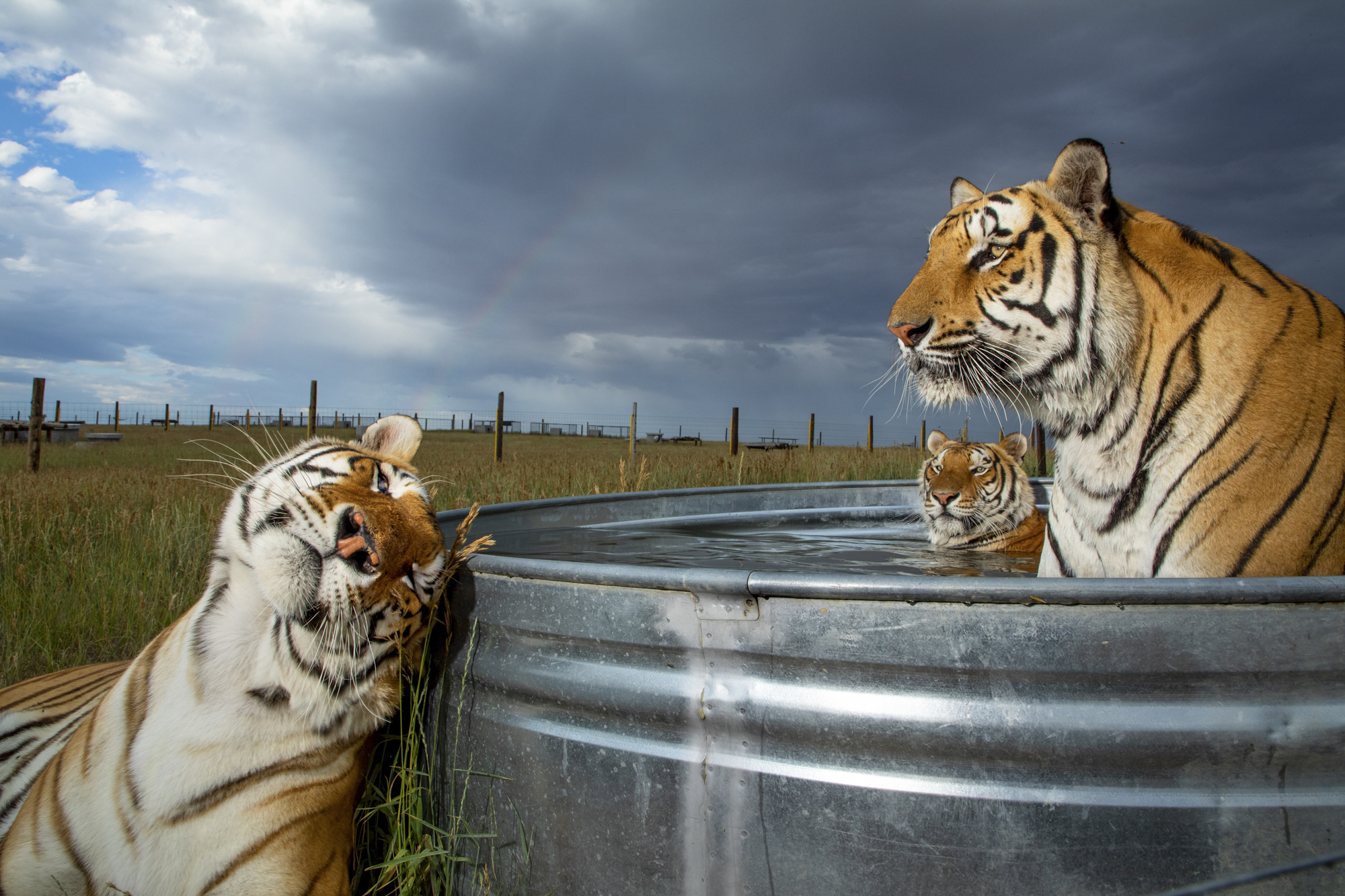
Three tigers in captivity
Three tigers rescued from Joe Exotic now living in The Wild Animal Sanctuary in Colorado. Sharon and Steve helped shape legislation preventing private ownership of big cats in the U.S. © Steve Winter 

After the Tiger Temple story, we learned that there were more tigers in cages in the United States than were left in the wild in Asia. That launched a two-year investigation. The story ran in National Geographic in December 2019. We were later told that congressional staffers passed the magazine to senators and congressmen. The Big Cat Public Safety Act — which had stalled in Congress for years — passed and was signed into law. It is now illegal in the U.S. to have hands-on contact with big cats or to privately own them. Nothing is unanimous in a very divided America. That one was.

Beyond don't get too close, what can everyday wildlife tourists do to make a difference?

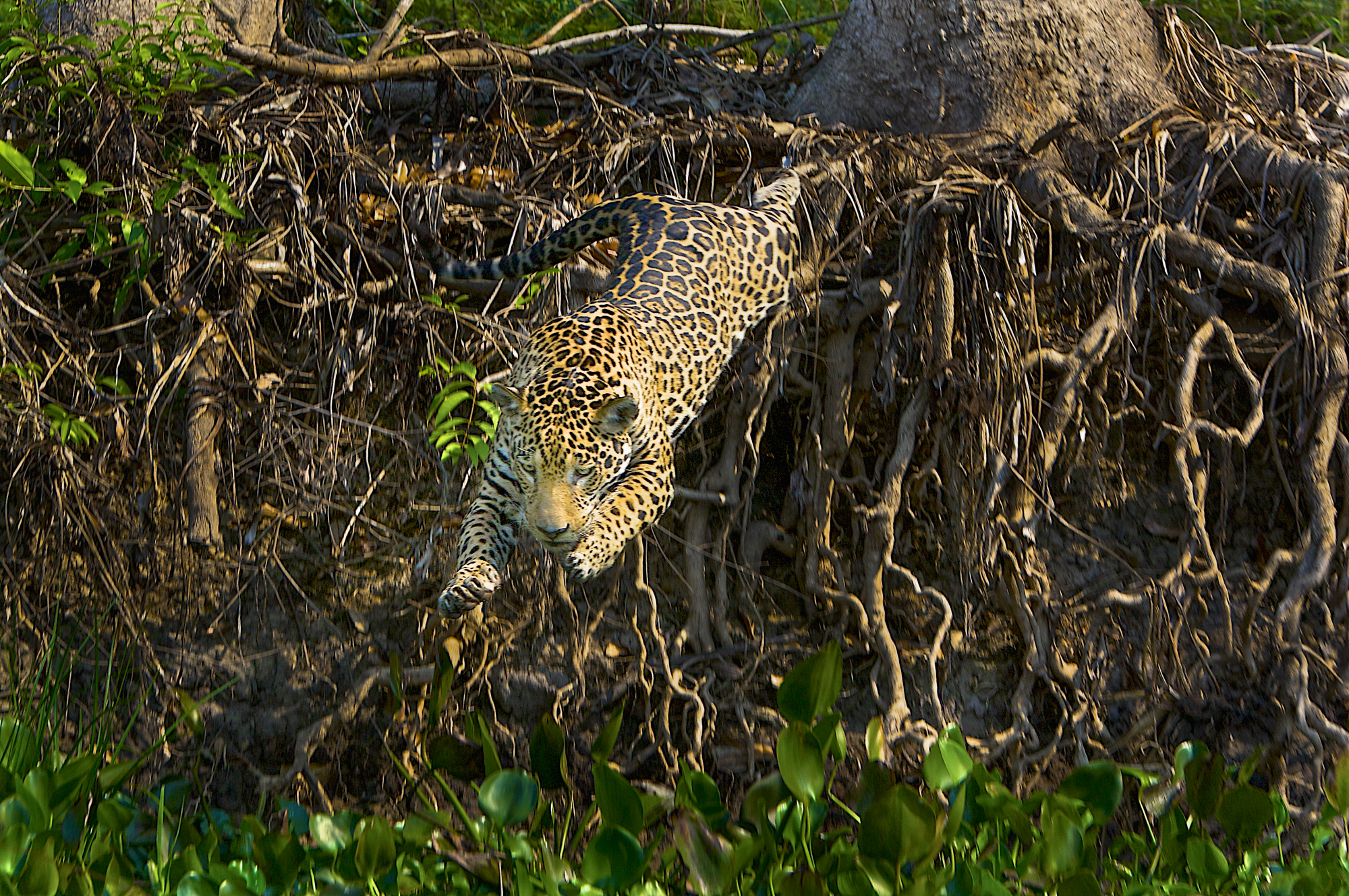
A jaguar leaps from a riverbank
A jaguar leaps from a riverbank. © Steve Winter

Sharon: Choose your travel thoughtfully. When Panthera scientist Fernando Tortato studied jaguars in the Pantanal, he found that each individual jaguar brings in $108,000 a year in ecotourism income — compared to $2,000 for a cow in its lifetime. Ranchers rarely kill jaguars there now. Jaguar numbers have risen because those animals have value. Local people need to benefit from living alongside these predators, and responsible tourism is one of the most powerful ways to make that happen.

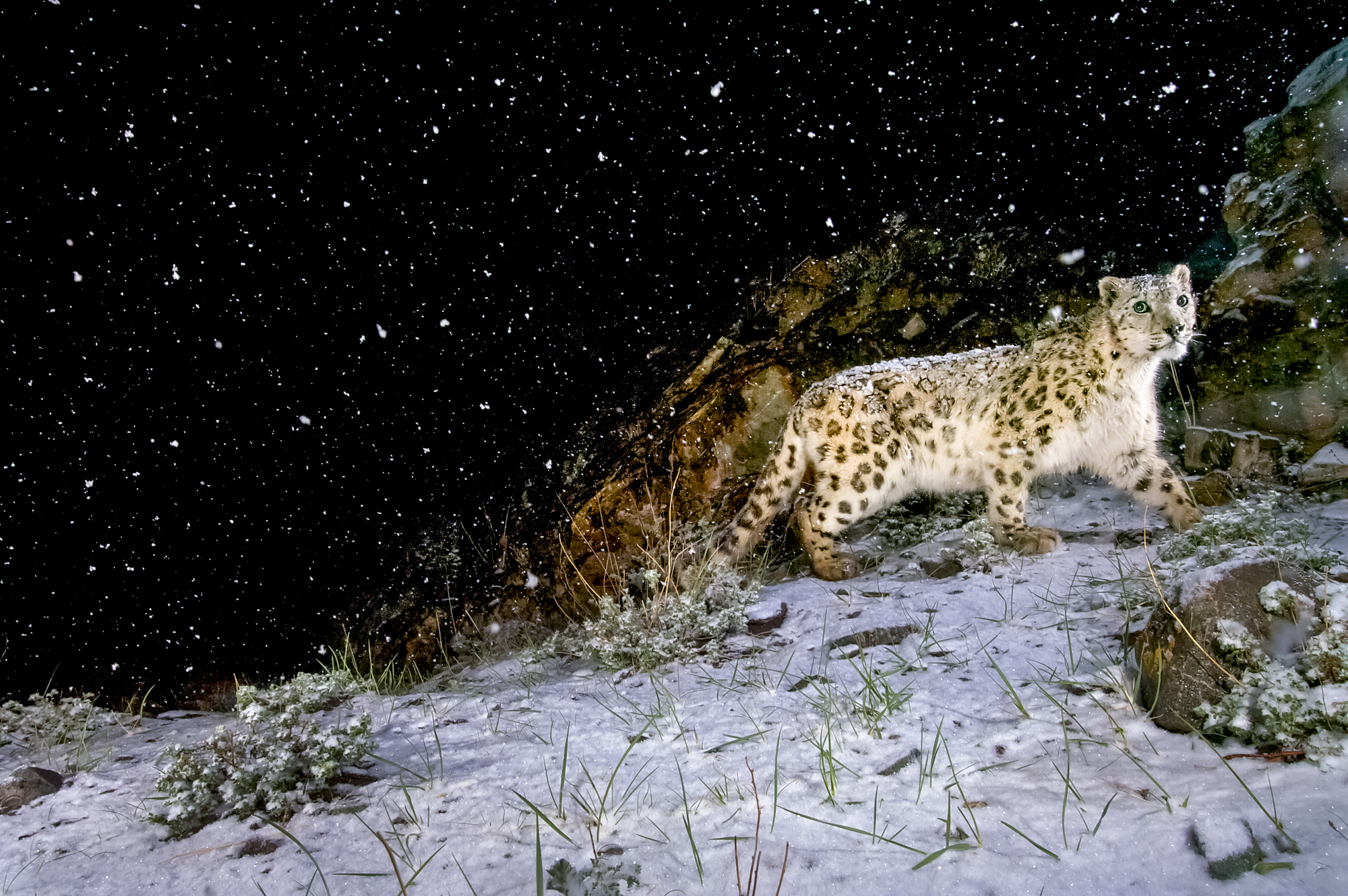
The same dynamic played out with snow leopards in the Himalayas. A vaccination program reduced livestock losses to disease. Tourism brought economic opportunity. Numbers have increased. You can actually see snow leopards there now.

When you spend money with ethical operators, book with lodges that follow protocols and treat local guides and communities as partners, your presence helps keep these cats alive.

A snow leopard in the Himalayas
A snow leopard in the himalayas. © Steve Winter

Steve: And I always say: the placing of the camera, the setting up of the shot, none of it happens without the expertise of scientists, local people and park guards. We could not do this work without the help of so many people. That's what responsible wildlife interactions look like, whether you're a photojournalist or a tourist on your first safari. 

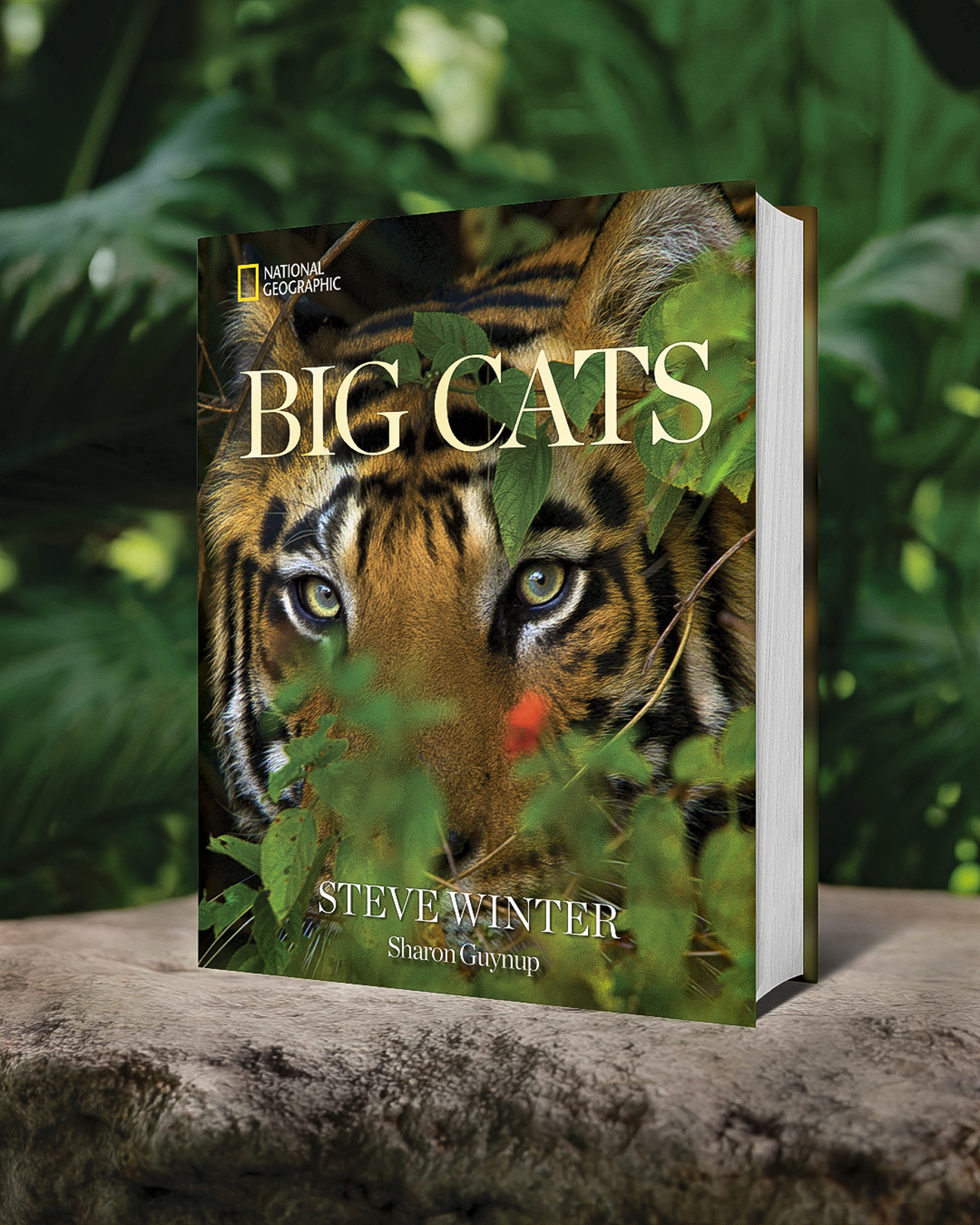
Big Cats: A Wild Cat Opus

Big Cats book by Steve Winter and Sharon Guynup
Big Cats was published on Oct. 6. © Sharon Guynup/Steve Winter 

Steve and Sharon's new book, Big Cats, is a retrospective collection of narrated images, featuring nine of their most impactful stories — from shutting down a tiger trafficking operation in Thailand to helping spark the movement to build the world's largest wildlife crossing in Los Angeles. Published on October 6, it shows how photography and storytelling can spark change — and whatever our skills, we can all make a difference. Get your copy today.