


Five Cats, One Moment in Time

By Panthera

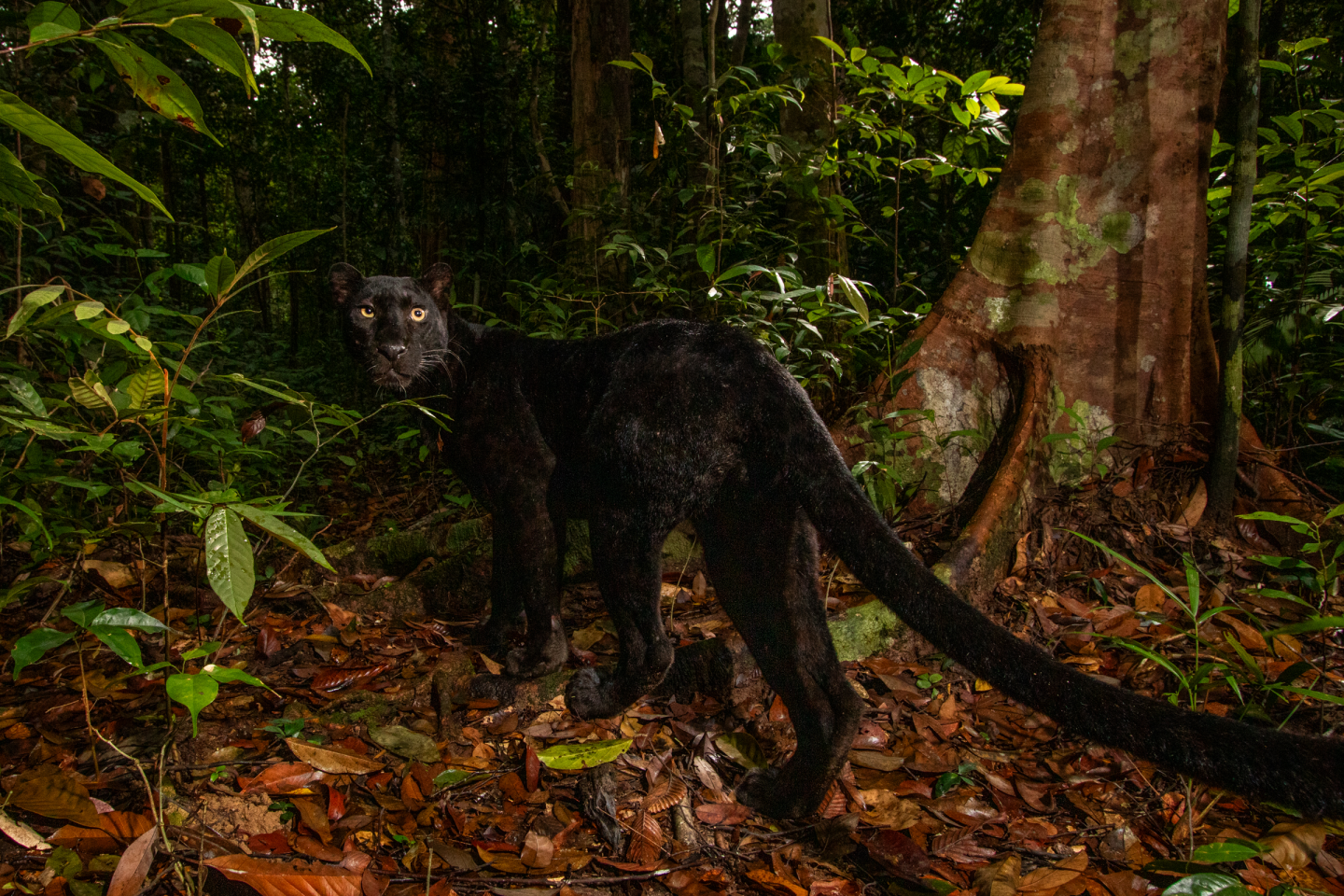
A melanistic Indochinese leopard in Malaysia
© Sebastian Kennerknecht

June is the dry season in Malaysia and the start of the rains in West Africa. It marks the start of winter in Patagonia and the green season in the rainforests of Central America. The world is never in one season at once — and somewhere in all of it, a wild cat is hunting, raising cubs or moving through remote landscapes.

As the global wild cat conservation organization, Panthera works across more than 30 countries to protect all 40 wild cat species. Here is what that looks like this season.

Melanistic Indochinese Leopard — Malaysia

June falls during one of the drier stretches of the year in peninsular Malaysia — a relative lull before the monsoon rains return in October. The tropical rainforest is never truly dry, but the reduced rainfall of May through August brings its own ecological rhythm. Fruiting trees draw prey species to predictable foraging areas, and for a leopard, predictable prey is an opportunity.

In Peninsular Malaysia, melanistic leopards are remarkably dominant. Over 90% of leopards here carry the black coat, an unusually high proportion compared to elsewhere in their range. At both of Panthera's core project sites, every leopard documented is melanistic. That poses its own scientific challenge: without the distinct spot patterns used to identify individuals elsewhere, researchers rely on infrared flash remote cameras to tell one cat from another.

These leopards hunt a wide range of prey — from wild boar and barking deer to smaller mammals — navigating competition with tigers above them and clouded leopards below. Nevertheless, leopards are indeed often more opportunistic and adaptable hunters. That trait brings them into conflict with farmers when they hunt goats, young cattle and chickens at the forest edge. Understanding how these cats move through a shared landscape is central to Panthera's work here.

Learn more about Panthera Malaysia and the black panthers of Malaysia.

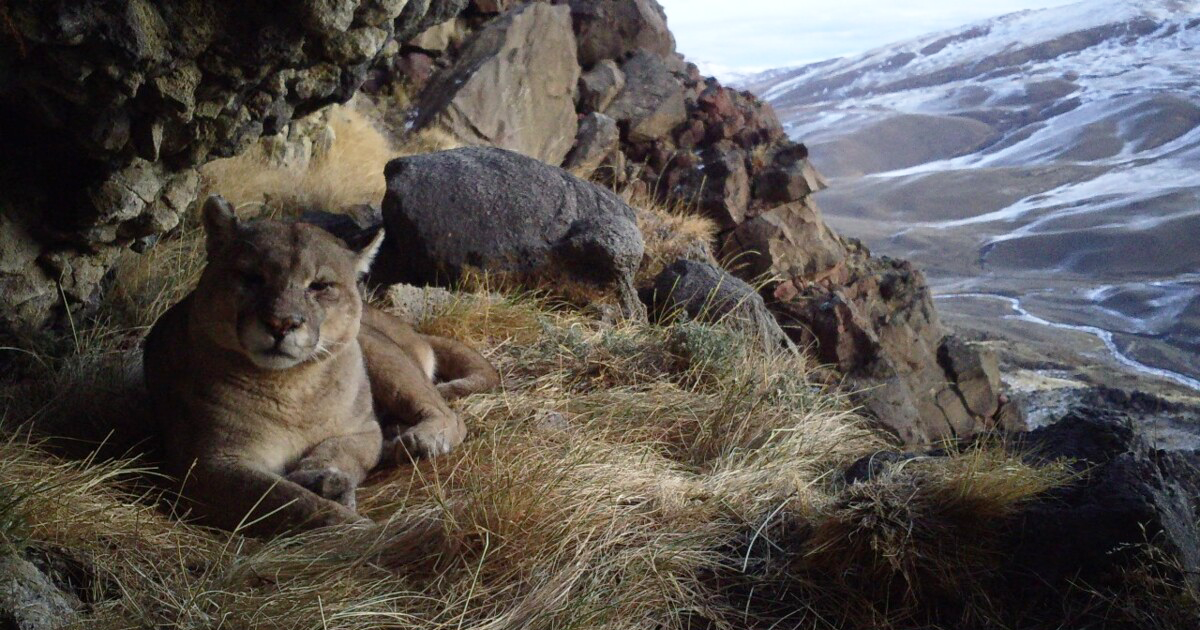
Puma — Patagonia, Chile

A puma rests on a cliff in Patagonia, Chile
© Panthera/Estancia 3R

In Patagonia, Chile, June marks the start of winter. Snow covers the high passes, temperatures drop sharply at elevation, and the landscape takes on the spare, silent quality that defines Patagonian winter.

Pumas here are among the most studied in the world. During this season, prey, primarily guanaco, is more concentrated and visible against the snow, and pumas move openly across ridgelines and rocky slopes that would be obscured in other seasons.

For Panthera's team in Chile, winter remote camera records offer some of the clearest documentation of puma movement and behavior of the entire year. Tracks in the snow don't lie.

Learn more about pumas and Panthera's work in Chile.

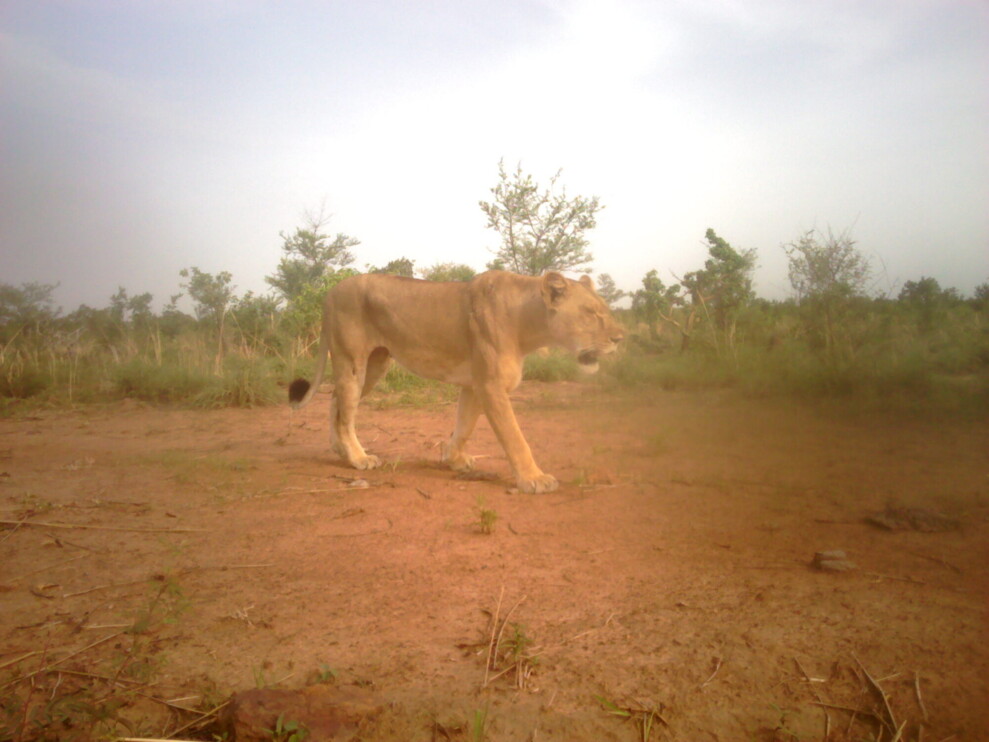
Lioness — Benin, West Africa

Lioness in Benin, West Africa
© ZSL-CCI/Panthera/African Parks/Pendjari National Park Complex

In the sweeping savannas of West Africa, lions are navigating one of the most demanding times of year. June falls at the start of the wet season, when grasses grow tall and prey becomes fitter and harder to track. For lions, this is a leaner, more demanding hunting period than the dry season months when prey concentrates around water. Prides rely heavily on cooperative hunting strategy as visibility drops.

Learn about Panthera's Lion Program.

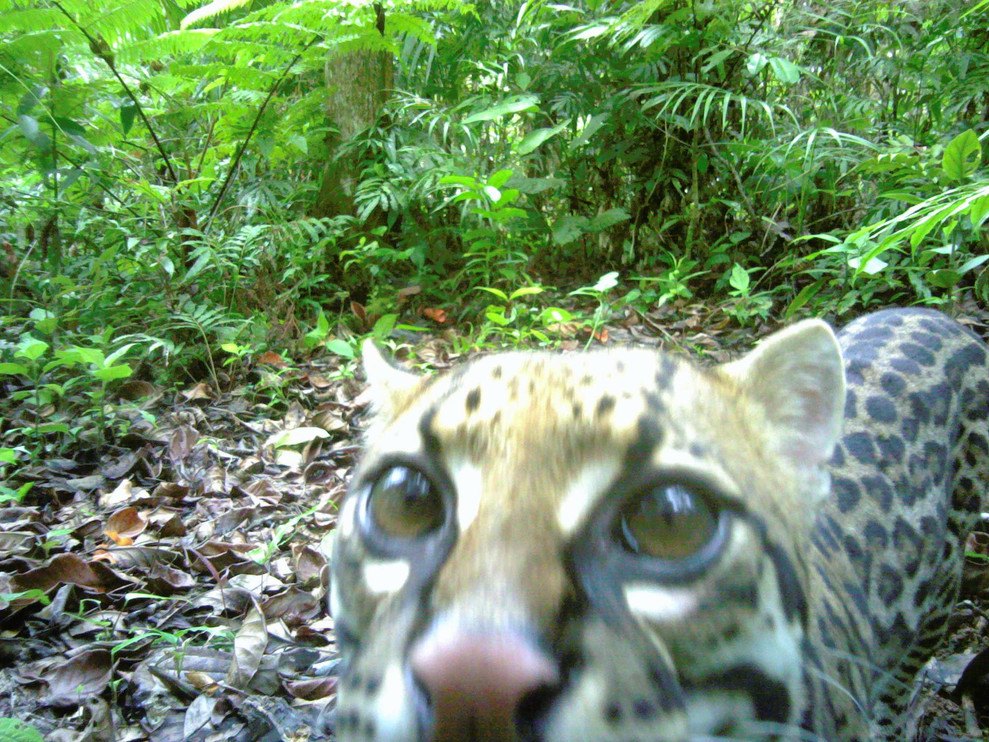
Ocelot — Costa Rica

ocelot in Costa Rica
© Panthera

June marks the start of the green season in Costa Rica. The rainforest is lush, rivers are swelling and the forest floor is alive with activity — ideal conditions for one of Central America's most adaptable hunters.

Often nocturnal, ocelots use their strong forepaws and robust skulls to take down prey larger than you might expect: sloths, monkeys, peccaries and deer are all on the menu, alongside small mammals, reptiles, amphibians and crustaceans. Most hunting happens on the ground, though ocelots are capable climbers and strong swimmers, known to forage in shallow water and cross rivers with ease.

Like most wild cats, ocelots are largely solitary, with males holding larger home ranges than females. In Costa Rica's wet season forests, where jaguars and pumas also roam, ocelots must balance their own hunting with the ever-present awareness of becoming prey themselves.

Explore our Small Cat Spotlight on ocelots.

Puma — Sierra de las Minas, Guatemala

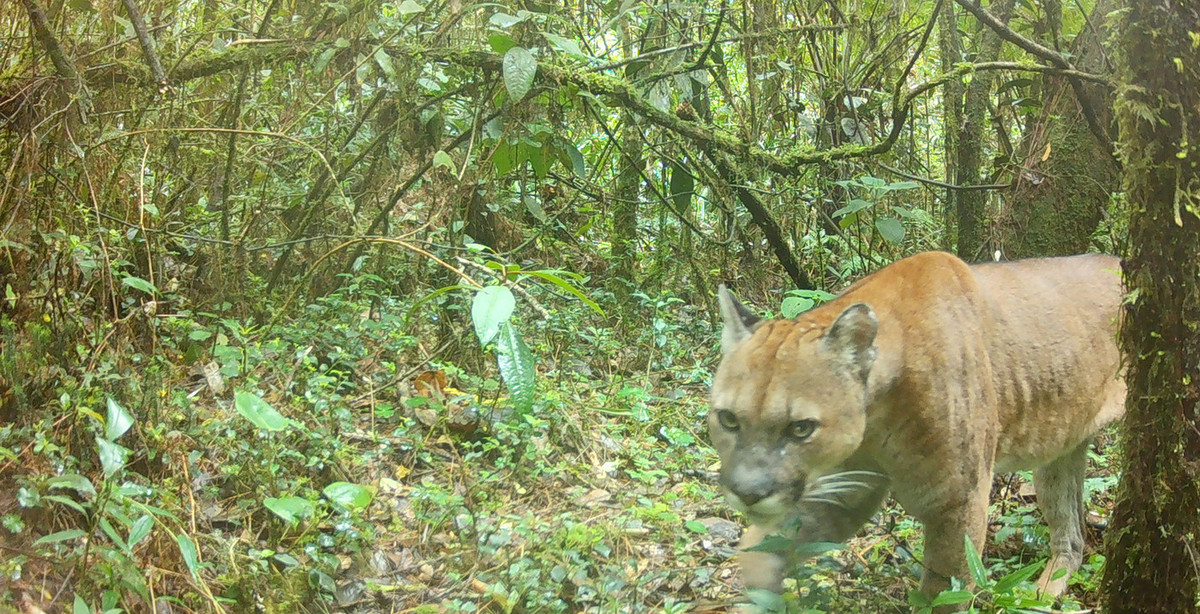
Puma in Guatemala
© Fundación Defensores de la Naturaleza/Panthera

In Guatemala's Sierra de las Minas Biosphere Reserve, June marks the height of the rainy season in one of Central America's largest cloud forest systems. Dense vegetation, steep terrain, and persistent moisture shape a highly dynamic landscape where pumas move across a wide elevational range.

Recent remote camera records confirm the presence of pumas at elevations above 2,000 meters in these montane and cloud forest ecosystems — an environment where prey diversity is high and includes species such as deer, peccaries and small to medium-sized mammals. Rather than relying on a single prey species, pumas here are likely opportunistic hunters, adapting to a complex and changing prey community.

As in many parts of Latin America, pumas in Guatemala face increasing pressure from habitat loss and fragmentation. Long-term monitoring and efforts to maintain connectivity between forested landscapes, the core of Panthera's work in the region, are essential to ensure these populations persist in a region where information has historically been limited.

Learn about pumas and Panthera's wild cat conservation in Guatemala.

Follow Panthera's Work Around the World

From the rainforests of Malaysia and Central America to the savannas of West Africa, Panthera's teams are in the field working to ensure these moments continue. Explore more of Panthera's programs and follow us on social media for more wild cat updates.