


International Tiger Day: How Panthera Is Protecting Tigers Across Asia

By Panthera

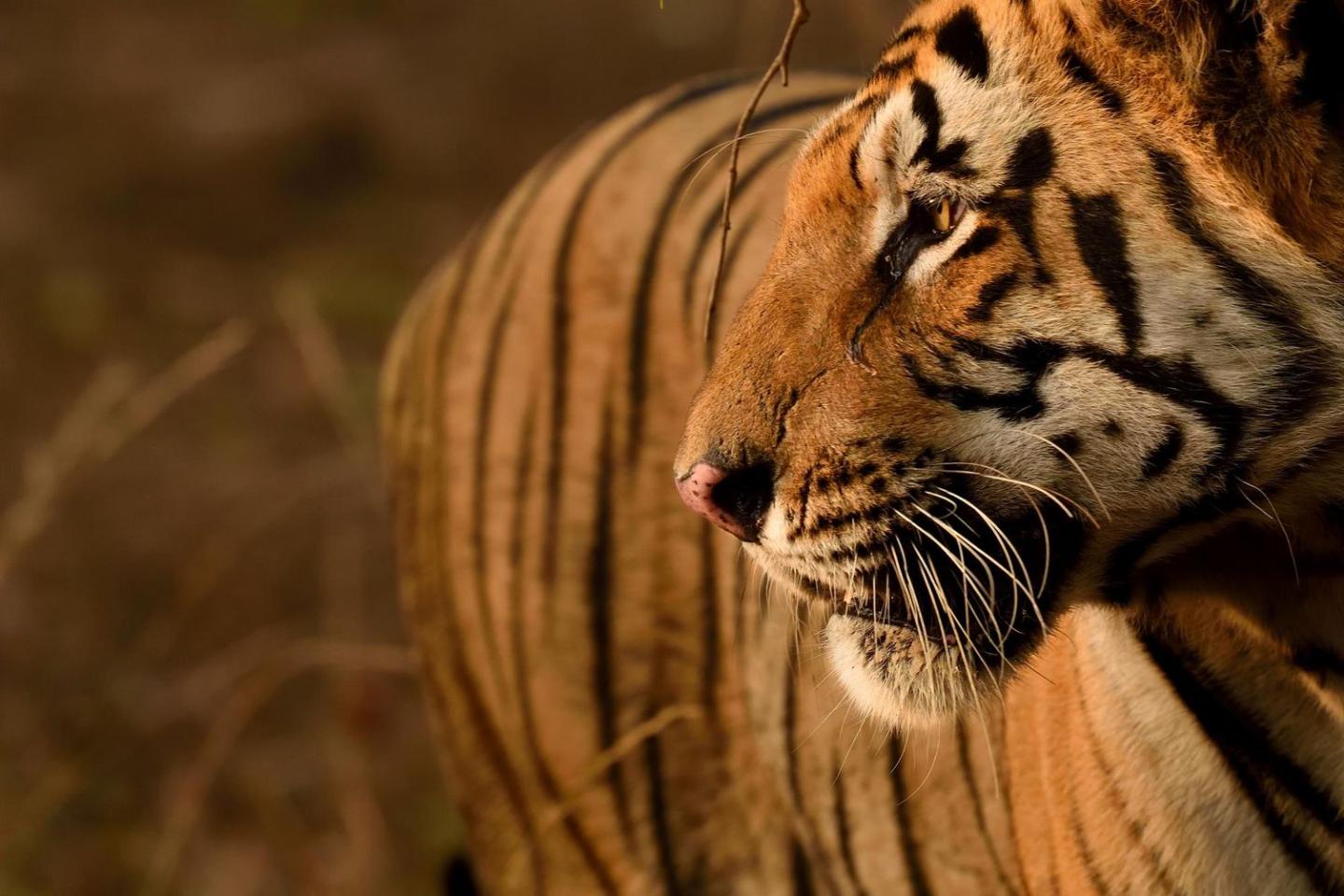
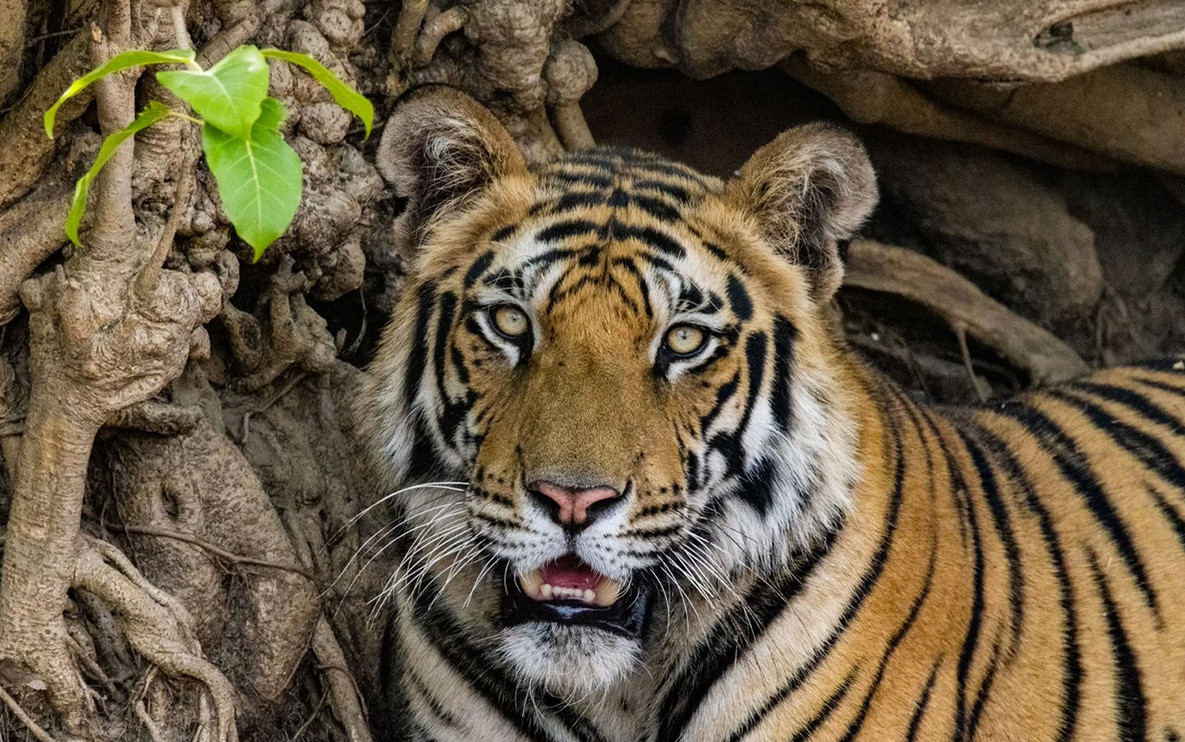
Tiger in Tadoba-Andhari National Park, India
© Hardik Pala

Every July 29, the world marks International Tiger Day — a chance to celebrate one of Earth's most awe-inspiring animals and recommit to keeping them wild.

Tigers (Panthera tigris) are Endangered, and they need our help. They have lost 93% of their historic range over the past two centuries, driven out by poaching, prey and habitat loss and conflicts with people. Panthera's Tigers Forever Program works with more than 20 partners across 25 sites in 11 countries — with active programs in Indonesia, Malaysia, Nepal and Thailand — to establish breeding tiger populations by reducing direct threats, strengthening ranger capacity, working with Indigenous peoples and local communities to prevent conflict, and restoring the ecological conditions tigers need: secure habitat, recovering prey and functional connectivity.

Over two decades, our work has directly impacted more than 500 tigers — 13% of the world's estimated wild tiger population. We have expanded formal protection across more than 4,500 square kilometers of tiger habitat, supported protected area management across 25,000 square kilometers, and developed a replicable, evidence-based model to prevent poaching, laying the groundwork for the population increases the next decade must deliver. As a result, populations at 88% of Tigers Forever sites are now stable or increasing. Across 25 sites, 11 tiger populations are stable, and 10 show increases ranging from 26% to 100%.

Saving Tigers Means Healthy Ecosystems

Tigers (Panthera tigris) are apex carnivores, sitting at the top of some of Asia's most complex food webs. But their reach goes far beyond what they hunt. Other predators, like leopard and Asiatic wild dogs, reorganize their behavior when tigers share the landscape — shifting where they go and what they prey on. Prey animals like deer and wild boar change their movement patterns in response to tiger presence, sometimes simply from catching a scent. And when a tiger makes a kill, that meal doesn't just feed one cat. Each tiger contributes an estimated 1,500 kilograms of organic material back into the ecosystem annually, sustaining ravens, crows and a wide range of scavengers.

The relationship between tigers and healthy forests runs deeper still. Scientists have found that forests within tiger conservation areas tend to store more carbon and experience lower rates of deforestation than comparable forests left unprotected. Saving tigers, it turns out, is inseparable from protecting the land itself.

Inside Thailand's Last Stronghold for Indochinese Tigers

Eastern Thailand's Dong Phayayen-Khao Yai forest complex (DPKY) spans five protected areas and roughly 6,000 square kilometers of some of Southeast Asia's most important tiger habitat. Thailand is among the few places where Critically Endangered Indochinese tigers (Panthera tigris corbetti) still have a foothold, and DPKY holds one of only two remaining populations of this subspecies in the country.

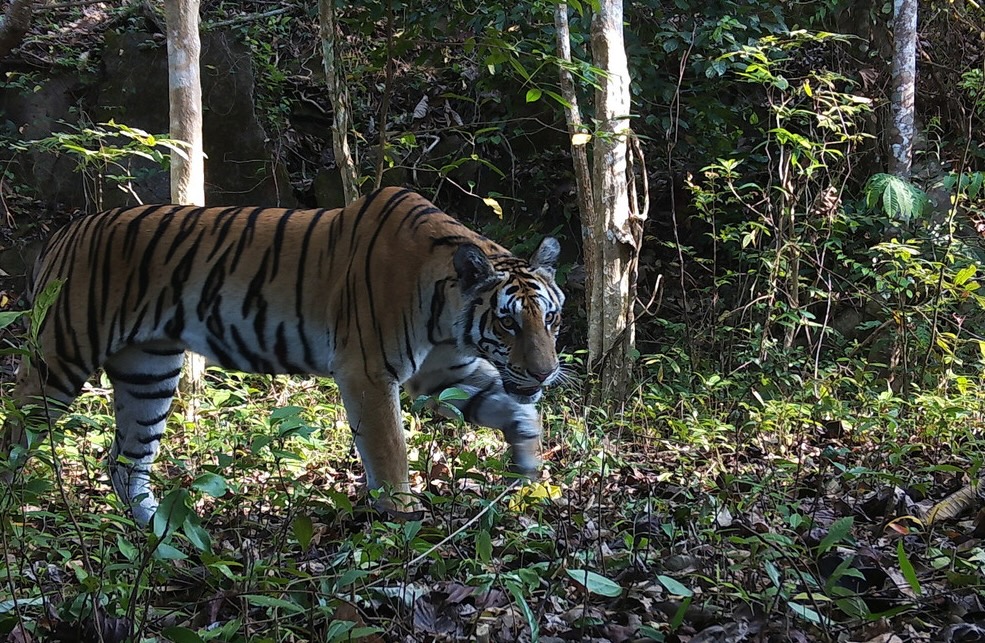
A tiger in eastern Thailand's DPKY complex
A tiger in eastern Thailand's DPKY complex. © DPKYWRS/Panthera Thailand

Research supported by Panthera and Thailand's Department of National Parks, Wildlife and Plant Conservation confirmed a small but stable group of around 20 Indochinese tigers (Panthera tigris corbetti) here — animals that represent the likely remnants of a population that once moved freely between Thailand and Cambodia, before tigers disappeared entirely from Cambodia.

Twenty tigers is a fragile number, but the science offers hope. These cats are breeding successfully, their survival rates are strong and they currently occupy only about 55% of the habitat available to them — meaning significant room for growth exists if the right protections are in place. Scientists believe the population could double with sustained conservation effort.

Getting there requires understanding how these tigers actually use the landscape. Last year, we GPS-collared three tigers in Thap Lan National Park within DPKY — including two sisters, a first for eastern Thailand. The movement and feeding data collected from those collars will inform decisions about where conservation resources are needed most, from prey recovery efforts to prioritizing corridors for connectivity.

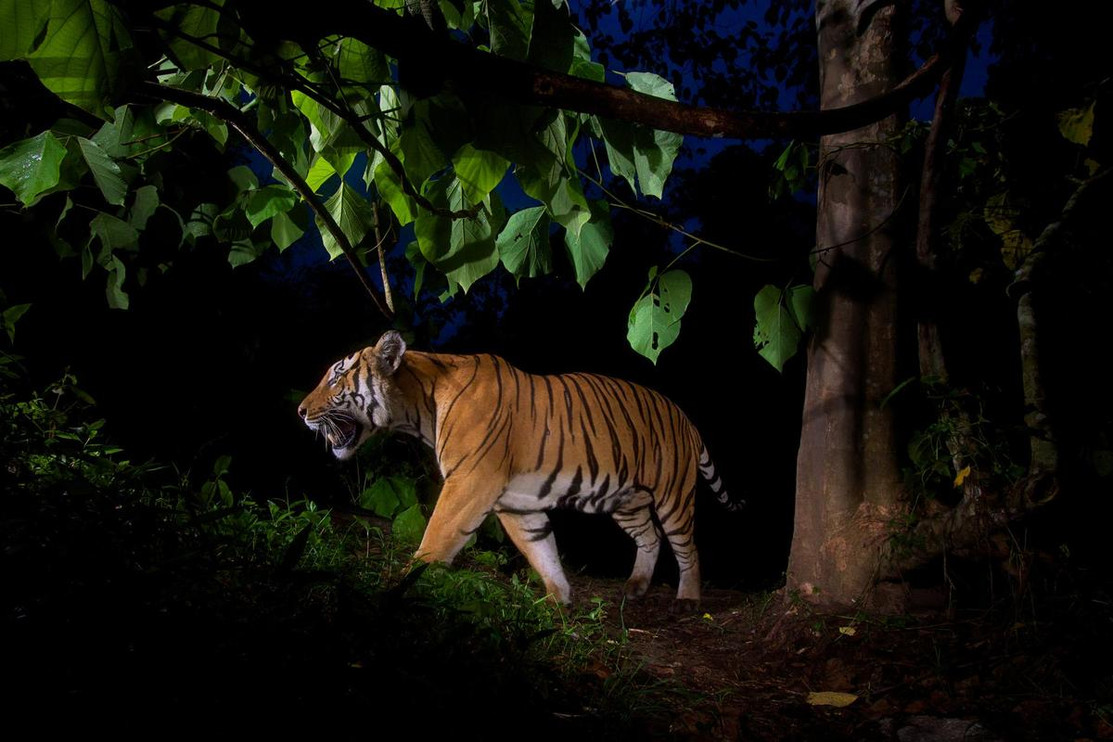
An Indochinese tiger approaches a tree where tigers spray to mark their territory.
An Indochinese tiger approaches a tree where tigers spray to mark their territory. © Steve Winter/National Geographic

How Panthera Is Helping Tigers Survive in Malaysia

Off the eastern coast of peninsular Malaysia, Taman Negara National Park sits at the heart of one of the oldest rainforests on Earth. Within it, Panthera's Project Kenyir focuses on the Kenyir-Taman Negara Core Area — a landscape that supports six wild cat species, including the Critically Endangered Malayan tiger.

Panthera works with Malaysia's Department of Wildlife and National Parks, local NGOs and community rangers from Indigenous and local Orang Asli and Malay communities to carry out anti-poaching operations and safeguard the habitat these species depend on. That partnership model — rooting conservation in the people who know and live alongside this landscape — is central to how the program operates. At Kenyir, poaching incursions have dropped by 40%, and the likelihood of a poacher being apprehended has risen from roughly 3% to 43% — a more than tenfold increase.

The Malayan tiger, once on the edge of disappearing from this region entirely, has held on. Leopard and clouded leopard populations in the area have stabilized as well, a reminder that protecting one species benefits others, too.

For Project Tekai, Panthera works closely with the Pahang State Government and Enggang Management Services to protect the Al-Sultan Abdullah Royal Tiger Reserve, Malaysia's first tiger reserve. An elite ranger team drawn from Indigenous Orang Asli and local Malay communities works alongside the Pahang State Parks Corporation to safeguard tigers and their prey in the reserve.  

Malayan tiger at Al-Sultan Abdullah Royal Tiger Reserve.
Malayan tiger at Al-Sultan Abdullah Royal Tiger Reserve. © Panthera/Pahang Biodiversity Council/DWNP/Enggang

Why Counting Tigers Isn't Enough

Counting tigers is just a starting point. Panthera is working to understand not just how many tigers exist in a given place, but whether those populations are healthy.

That distinction has produced some striking findings. In Nepal, monitoring prey populations revealed that the food base tigers depend on was a more urgent conservation priority than tiger numbers alone. In Thailand, despite healthy survival rates, tigers were using only about half their available habitat — a gap traced back to prey depletion from human hunting. In India, a population that appeared to be growing on paper turned out to be partly sustained by tigers dispersing in from neighboring areas, not by local breeding success.

What emerges across all three cases is the same insight: A landscape can hold tigers without functioning like one that truly supports them. Panthera's Tigers Forever Program is working to change that — and the results are showing. Across all Tigers Forever sites, 88% of tiger populations are now stable or increasing, with 10 sites showing growth ranging from 26% to 100%.

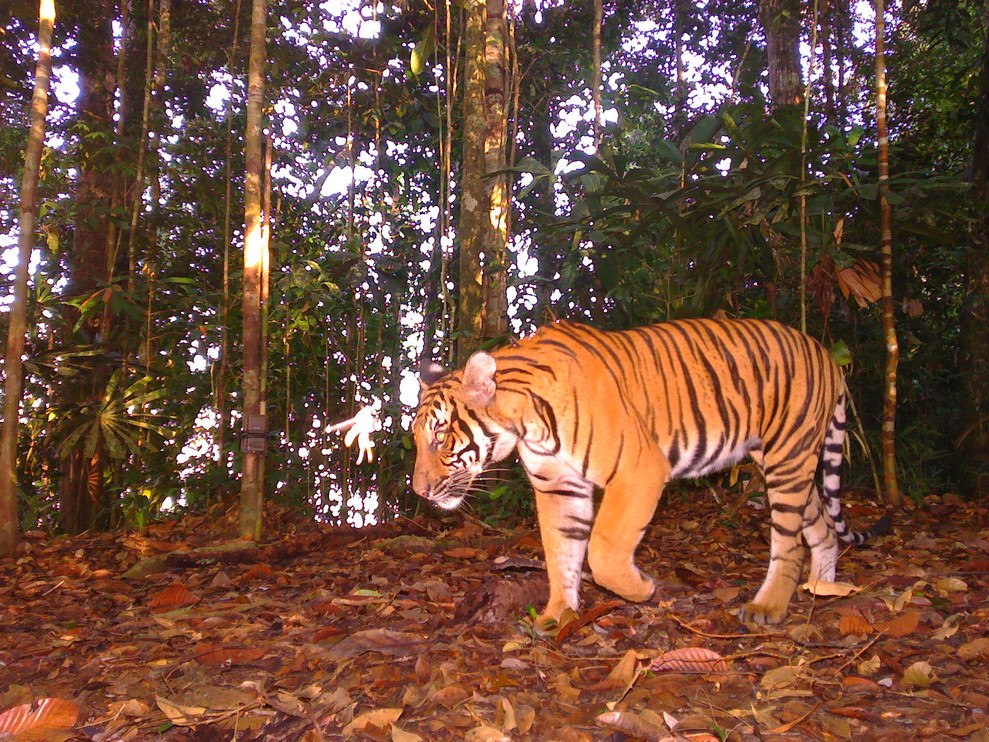
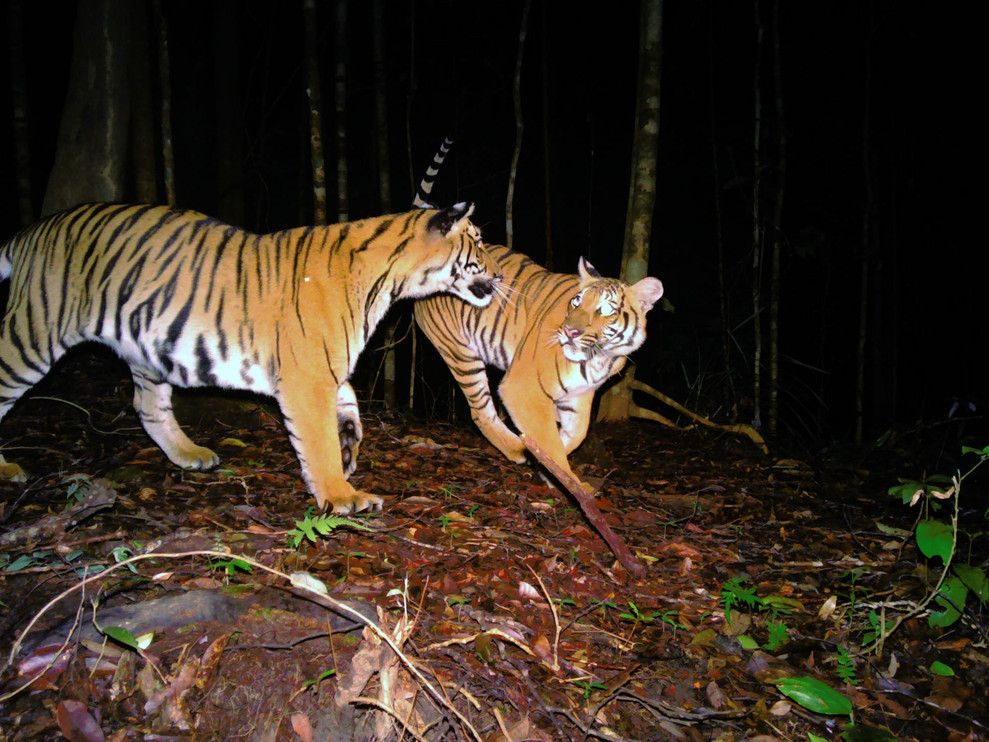
Two Malayan tigers photographed by a remote camera in Taman Negara, Malaysia
Malayan tigers photographed by a remote camera in Taman Negara, Malaysia. © Panthera Malaysia/DWNP

Training the Next Generation of Protectors

Science and field data only go so far. The people on the ground — the rangers patrolling remote forests, the prosecutors building cases against wildlife traffickers, the community members who notice when something is wrong — are what make conservation stick.

Panthera has built capacity for more than 1,500 Asian conservation practitioners in counter-poaching, biological monitoring, law enforcement, site security strategies, monitoring standards and SMART (Spatial Monitoring and Reporting Tool) technology.

Equally important is what happens outside protected area boundaries. Many communities living near tiger habitat depend on the same forests and prey species that tigers need to survive. Panthera works with those communities to develop livelihoods that don't come at the expense of the habitat around them.

A Bengal tiger cub in Bandhavgarh National Park, India
A Bengal tiger cub in Bandhavgarh National Park, India. © Diann C. Johnson

How You Can Help Protect Tigers

International Tiger Day is a reminder that tigers are still here — and that the decisions made right now will determine whether they stay.

Two easy ways to act today:

Donate to Panthera. Your gift funds ranger training, habitat protection and the science behind tiger recovery.

Track an endangered tiger. Panthera has partnered with Fahlo to offer the Prowl Bracelet, which lets you follow an individual Indochinese tiger through Thailand in real time. Every purchase supports tiger conservation.

Tigers have surprised us before. Populations once thought beyond saving have come back. But they need our help to get there.