


‘They Deserve to be Known’: Meet the Women Giving Borneo's Wild Cats a Voice

By Panthera

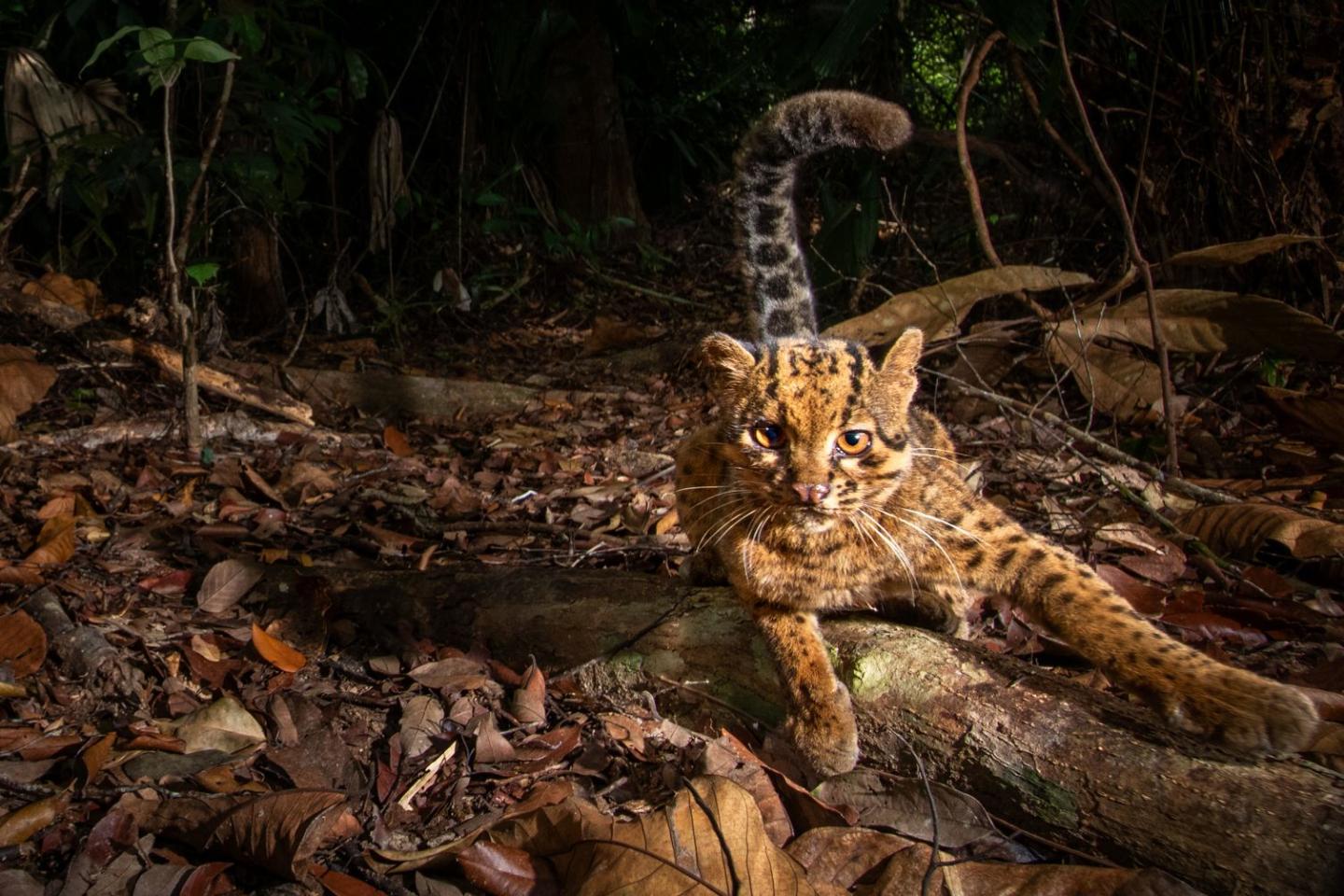
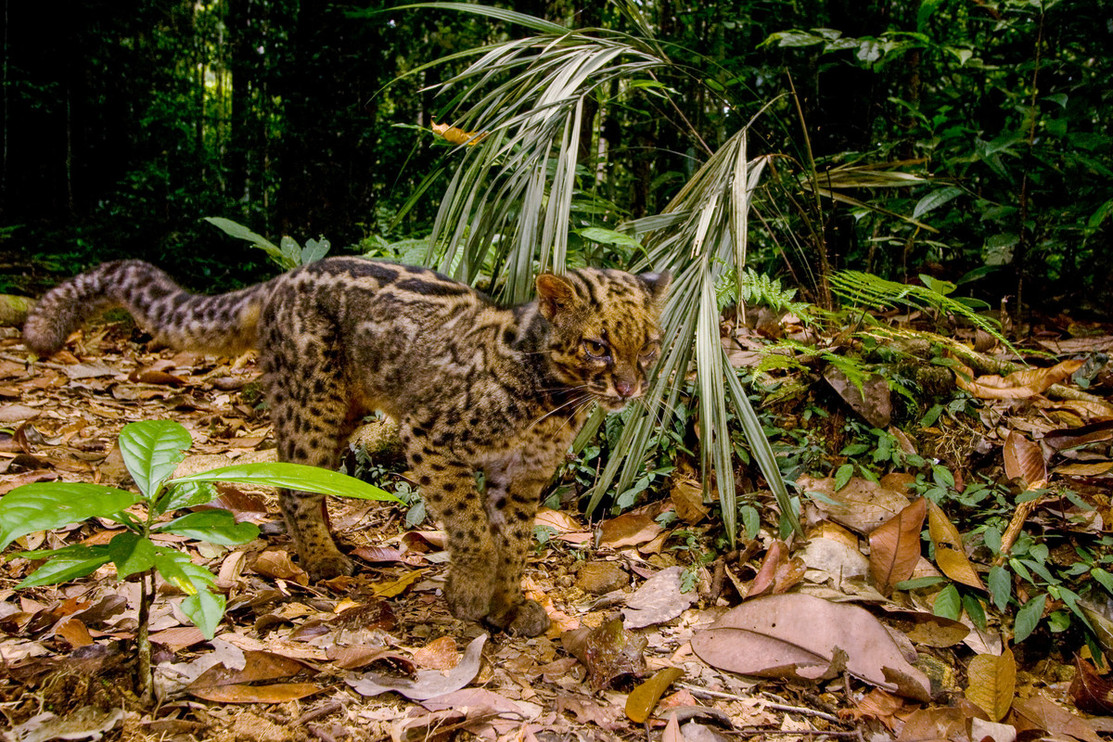
A marbled cat in Borneo, Malaysia
© Sebastian Kennerknecht

Borneo's wild cats — the marbled cat, the flat-headed cat, the Sunda clouded leopard and others — are among the most secretive animals on Earth. Protecting them takes more than science. It takes trust with the communities who share these landscapes, who have watched these forests change over generations and who hold the keys to what happens next.

Panthera Malaysia has worked in Sabah since 2019, in partnership with the Sabah Forestry Department, the Sabah Wildlife Department and local communities, to protect these species and the landscapes they share. That work is as much about relationships as it is about research. Community Engagement Officers work alongside villages in Sabah — co-organizing dialogues, running workshops, conducting interviews and coordinating with government agencies — to build local conservation leadership and bring together community knowledge and science in service of the forests they call home.

Beathres Petrus and Welneita Ribut are two of the people doing that work. In this Q&A, they share what brought them to this role and how it continues to shape them.

What drew you to Panthera and wild cat conservation?

Beathres: I've always been a cat person. I'm probably closer with the stray I adopted than I am with my brother. When I first heard about Panthera, it was after I saw a video online of a Sunda clouded leopard that had been hit by a car. When I learned Panthera was hiring a woman patroller, it felt like the right moment to turn that feeling into something real, and I joined in 2020.

Unlike domestic pets, wild animals do not have a voice to protect themselves from threats like habitat loss or poaching. My affection for wildlife goes deeper because they are a vital part of our natural heritage in Sabah. They represent the beauty and balance of our forests, and I feel a strong responsibility to be part of the voice that speaks up for their survival.

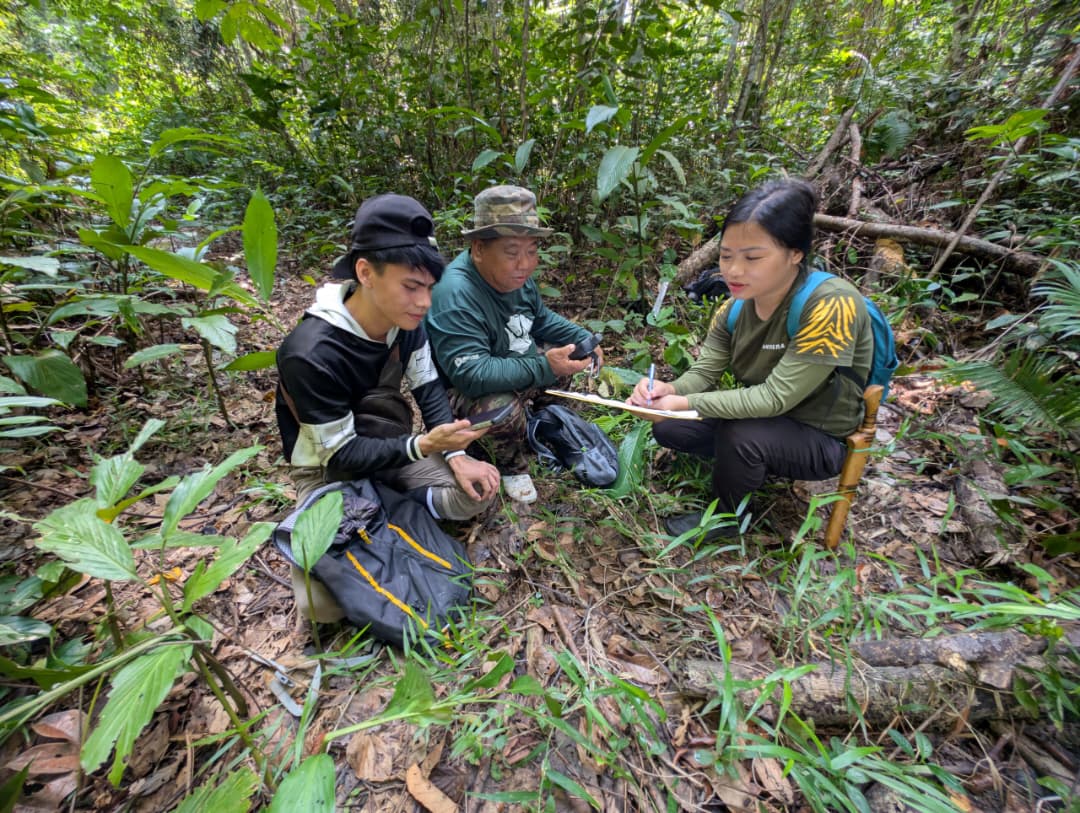
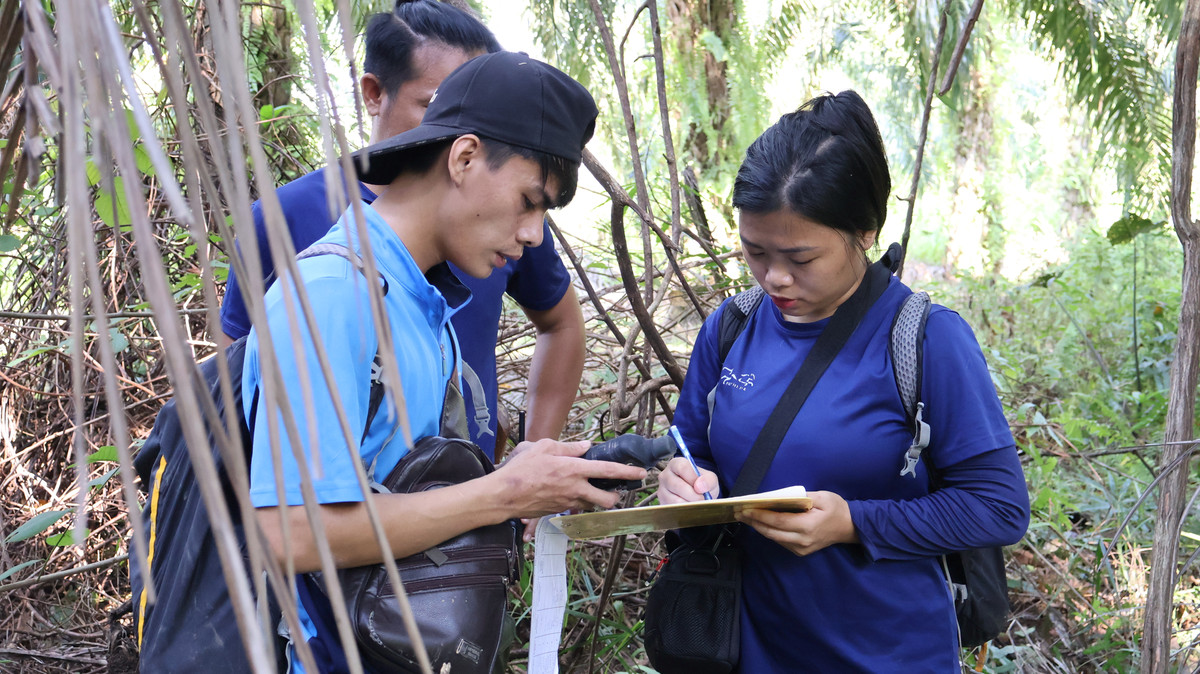
Beathres records field data alongside local community members in Sabah.
Beathres records field data alongside local community members in Sabah. © Panthera Malaysia

Welneita: I come from a big family — I'm the ninth of 11 children, practically a whole football team — and growing up in the countryside of Tongod, I was always surrounded by animals. I have a soft spot for stray cats and dogs especially. I wanted to work in conservation for a long time and was very happy to accept a patroller position at Panthera in 2022 before becoming a Community Engagement Officer.

Wild cats are especially captivating because they are so elusive and secretive, yet they play a crucial role in the ecosystem. I feel a strong sense of responsibility to protect them from vanishing, ensuring future generations don't lose species they barely even got the chance to know.

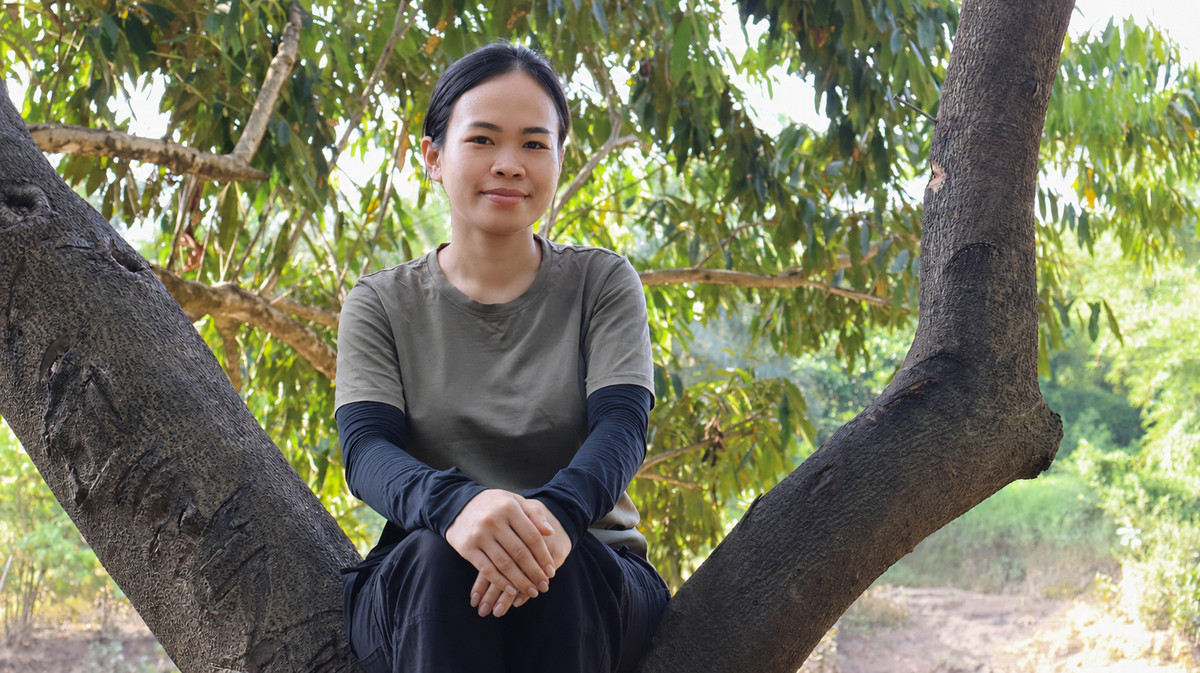
Welneita Ribut during a deep forest patrol.
Welneita Ribut during a deep forest patrol. © Panthera Malaysia

Tell us about the communities you work with.

Beathres: This work is deeply personal to me. Building local trust is at the heart of what we do, and I believe that even though patrolling is crucial, working with people is just as important for conservation. What strikes me most is that many locals don't realize there are five wild cat species in Borneo. The flat-headed cat, the bay cat, the Sunda clouded leopard — they're unknown. That's the main reason I want to do this work. These animals deserve to be known.

Welneita: Coming from a large family in the countryside, I already understood how communities think — how people make decisions together, how trust is built slowly. That familiarity has helped me in this role more than I expected. And what inspired me most when I joined was discovering that even in Sabah, people in these communities have no idea these small wild cats exist. That's what motivates me. If we don't do something now, the next generation may never get to see them. They could go extinct before people even knew they were there.

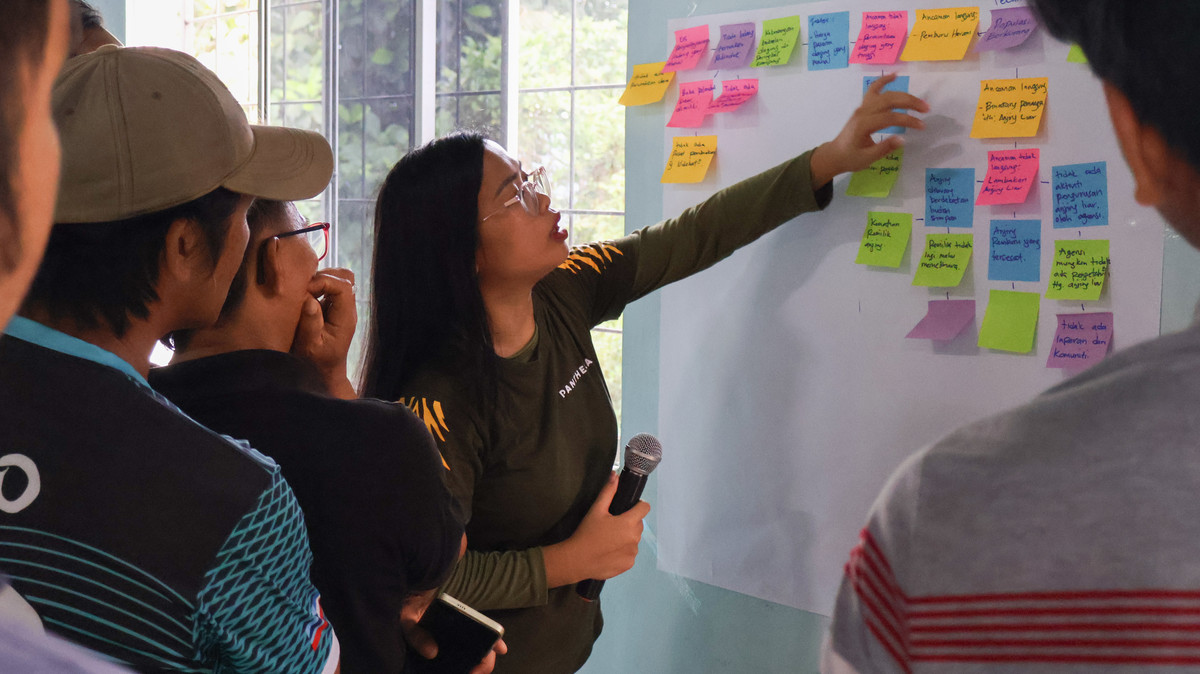
Beathres Petrus works with community members to build the Keramuak Community Conservation Area Management model.
Beathres works with community members to build the Keramuak Community Conservation Area Management model. © Panthera Malaysia

What makes your path into conservation unique?

Beathres: My background is a mix of social science and creative expression. I studied geography at university and taught preschool before joining Panthera. I believe conservation is not just about hard data, but also about storytelling. My unique strength lies in bridging that gap: taking the scientific work we do and sharing it in a way that connects emotionally with people, whether through my writing or how I work with local communities.

Outside of my official work, I've practiced that: I've used a pageantry platform to speak about sustainable community forestry, produced a short video on Tagal Hutan (a traditional community forest management practice) for a Young Environmental Journalist competition, and participated in the international Festival Puisi Esai, using poetry to give emotional narrative to issues like deforestation and landslides. These experiences have indirectly shaped how I work, sharpening the communication and advocacy skills I bring to every community conversation.

Welneita: Before joining Panthera, I worked as a restaurant supervisor, an educational consultant and a mill clerk — roles that had nothing to do with wildlife on the surface, but sharpened exactly the skills I needed: communication, data handling, staying calm under pressure. I transitioned from a forest patroller to a Community Engagement Officer, so I'm just as comfortable doing rugged field operations in deep jungle as I am handling data and coordination at a desk.

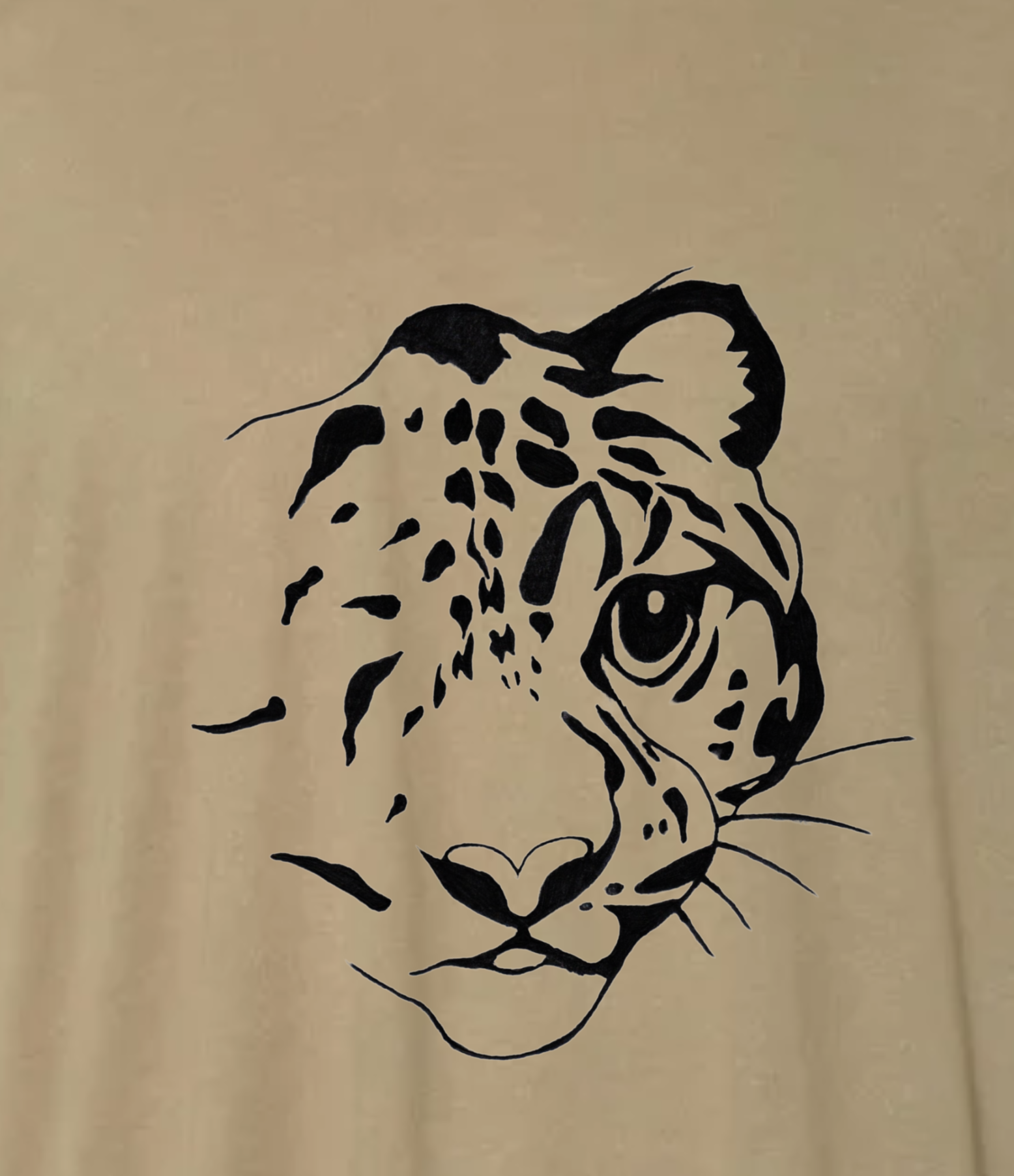
I also love drawing nature and wildlife. I believe art has a unique power to express what the forest feels, and that helps me connect with local communities on an emotional level and share conservation messages in a creative way. For example, I assisted the community with their conservation branding by designing their official logo and a custom t-shirt featuring local wildlife.

A custom t-shirt with Sunda clouded leopard artwork that Welneita designed as part of the local conservation branding.
A custom t-shirt with Sunda clouded leopard artwork that Welneita designed as part of the local conservation branding. © Panthera Malaysia

Tell us about a memorable wildlife encounter.

Beathres: I was fortunate enough to spot a marbled cat in the wild during my fieldwork. It was a rare and unforgettable moment.

Welneita: My most memorable encounter was a spectacular and rare sighting of a marbled cat. I spotted it late at night while driving near the Tangkulap area. It was a brief, thrilling moment, catching its distinct, beautiful coat in the lights just as it melted back into the thick bushes.

A marbled cat in Sabah, Borneo, Malaysia.
A marbled cat in Sabah, Borneo, Malaysia. © Sebastian Kennerknecht

What are the hardest and best parts of the job?

Beathres: You have to be ready for the human dynamic. A community member might agree to support something, then talk to other villagers, and come back having completely changed their mind. Our team always has to have backup plans — plan A, plan B, plan C. That's the hardest part.

But this job has pushed me to grow. I'm not a naturally talkative person. Four years working with communities has made me confident enough to walk into a government agency meeting and hold my own. There was a time when I would have wanted to cry at the thought of that. Now I just do it. And then there are the friends of all ages, free meals from the community. Those moments are everything.

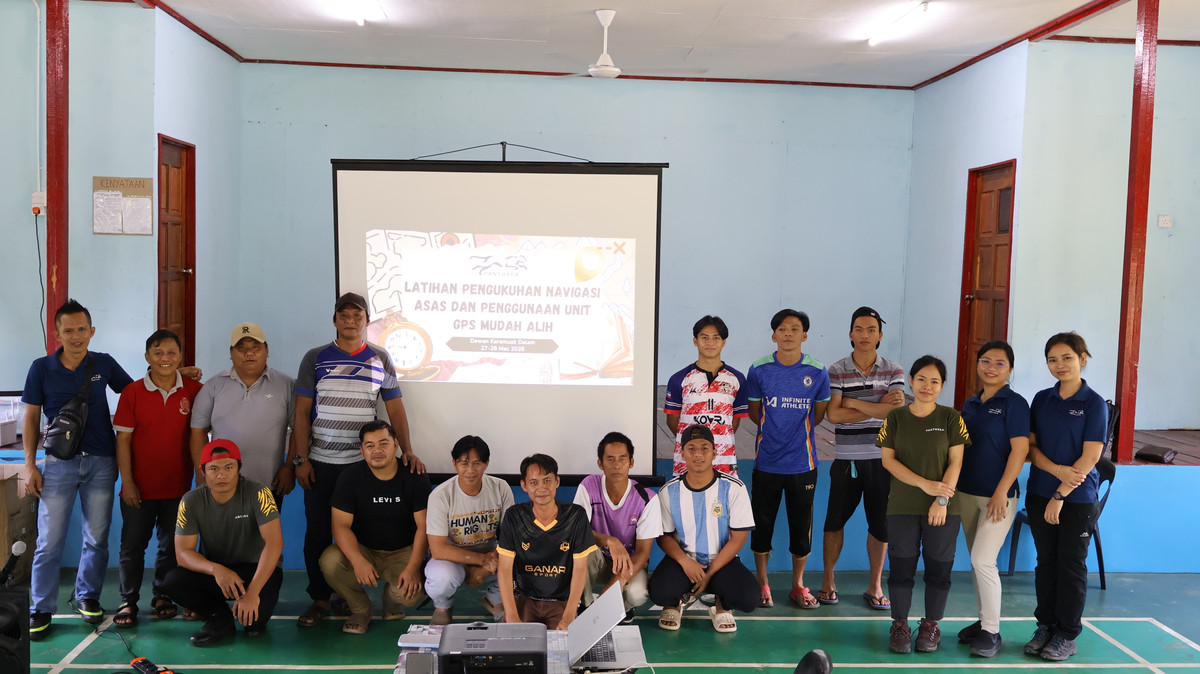
Beathres and Welneita helped conduct handheld GPS training with the Keramuak community to support conservation.
Beathres and Welneita helped conduct handheld GPS training with the Keramuak community to support conservation. © Panthera Malaysia

Welneita: I am an introvert. Working with communities means I have to talk to people constantly, and that used to be the worst part of the job for me. But I adapted. And now, every day I learn something new about the forest, the people, myself. The relationships you build with communities are unlike anything else. Every time we see each other, we laugh. That kind of connection is something I never expected from this work, and it's become one of the reasons I love it.

What's your most memorable field story?

Beathres: While off-road challenges like getting our 4x4 vehicles stuck in deep mud are just a normal day at work for us, my most intense experience was during my early days in community engagement. During a community briefing, an intoxicated villager came in shouting and angry. It was challenging, but we managed to handle the situation calmly and kept everything under control. It taught me a lot about managing unpredictable human dynamics in the field.

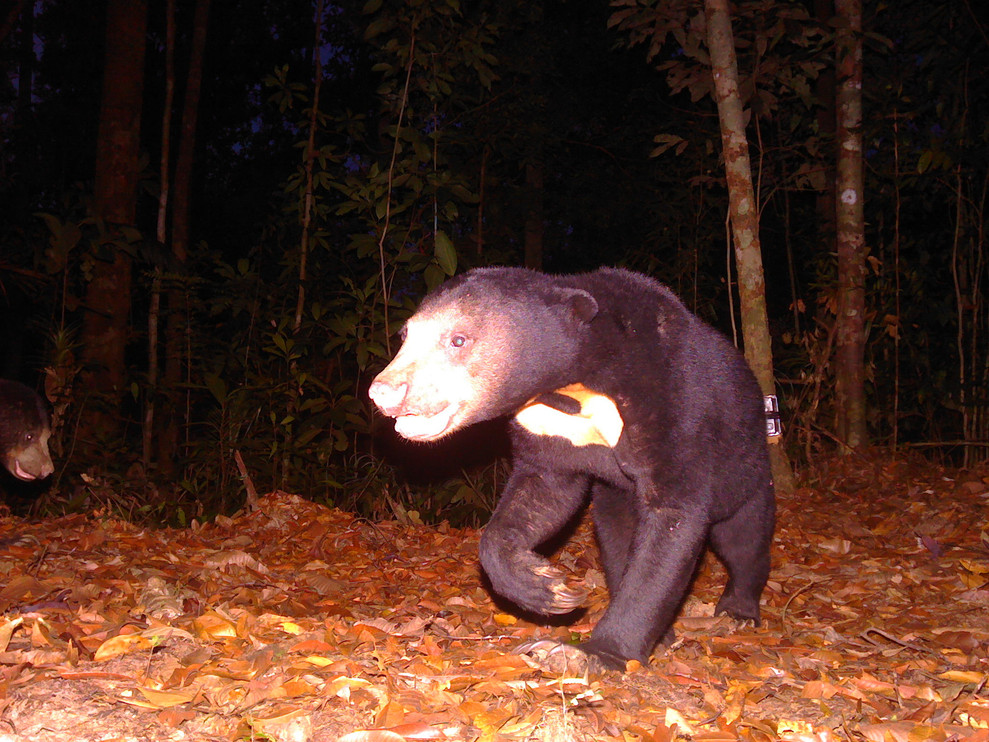
Welneita: My most heart-pounding experience happened during a forest patrol when we had a close encounter with a sun bear. We were walking when I saw something large suddenly drop from a tree branch ahead. An intense, aggressive growl erupted. We could hear it charging directly toward us through the thick brush. Adrenaline took over instantly. While my fellow patrollers scrambled up nearby trees, panic completely froze my ability to climb, and I just ran as fast as I could. Fortunately, the team made loud warning noises that startled the bear and caused it to run away. It was terrifying then, but it taught me a profound respect for wildlife boundaries. Looking back, it's easily my funniest field story.

A sun bear like the one Welneita encountered in Malaysia.
A sun bear like the one Welneita encountered in Malaysia. © Panthera/Pahang Biodiversity Council/DWNP/Enggang

What advice would you give to people who want to work in conservation?

Beathres: Remember that conservation and community are completely inseparable. You cannot protect wildlife without empowering the people who live alongside it. My biggest piece of advice is to leave textbook theories at the door. Be ready to listen more than you speak. Conservation isn't about telling people what to do. It's about building trust, creating mutual goals and giving them the tools to become the long-term guardians of their own forests. If you want a career that makes a real impact, you have to value the human element just as much as the science.

Welneita: Conservation is not only about protecting wildlife; it is about working with the people who share the same landscape. Many communities have lived alongside these forests for generations, long before conservation organizations existed. They hold valuable knowledge and a deep connection to the environment.

Building trust takes time, so be patient, take time to understand people's stories and respect their realities. People support conservation when they feel heard, respected and included.

Never underestimate communities. They are not just beneficiaries of conservation — they are partners and stewards of the environment. The future of this work depends on their partnership.

Beathres works alongside community members to collect field data during riparian reconnaissance for the Keramuak Community Conservation Area.
Beathres works alongside community members to collect field data during riparian reconnaissance for the Keramuak Community Conservation Area. © Panthera Malaysia

Wild Cats Deserve to be Known

Beathres and Welneita will tell you this work made them braver. And both share the same conviction: that Borneo's wild cats deserve to be known — not just by scientists, but by the communities living alongside them, and by the next generation that hasn't had the chance to meet them yet.

To learn more about our work to protect wild cats, hear directly from Beathres, and visit Panthera Malaysia.