


The Sacred Cat of the Altiplano: How Panthera and Indigenous Communities Are Protecting the Andean Cat

By Panthera

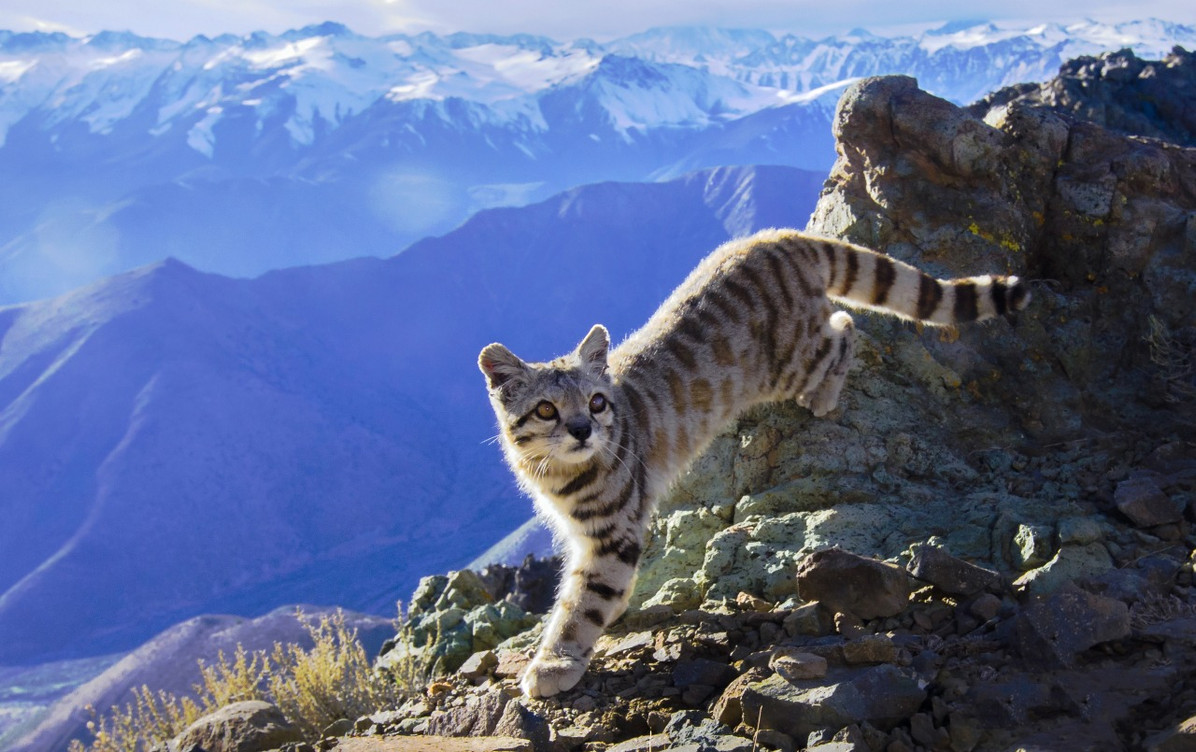
Andean cat in the mountains
© Cristian Sepúlveda

The Andean cat has been a central figure in the culture of the Indigenous communities living alongside it since time immemorial.

For the Indigenous people of the altiplano, the Andean cat is a sacred symbol of fertility, closely linked with the coming of rains and prosperity in livestock grazing and agriculture. Its image is central to local mythology and culture, and it appears in petroglyphs etched into rock faces, ancient ceramics and paintings. The oral traditions surrounding the cat have been passed down through generations, woven into the fabric of how local communities understand their relationship with the land. 

The Andean cat appears in petroglyphs etched into rock faces
The Andean cat appears in petroglyphs etched into rock faces. © Bernardo Segura/AGA

That connection is reflected in the Aymara language: the word awatiri means both Andean cat and spiritual herder. The cat was understood as the supernatural shepherd of the mountain spirit's wild herds — an intermediary between human communities and the forces that govern livestock and the land. A 2026 study of Andean cat depictions in Atacama rock art confirms this belief was reflected in pre-Hispanic iconography for at least 1,500 years, with ancient artists depicting the cat alongside camelids and human figures associated with herding rituals. 

For Mauro Lucherini, CATCrafts General Coordinator at the Andean Cat Alliance, who works directly with women of the Andean communities to protect this wild cat, the rediscovery of the connection to the cat is personal. “This is a journey that takes both us and the women we work with to reimagine the Andean cat and its relevance,” he says. 

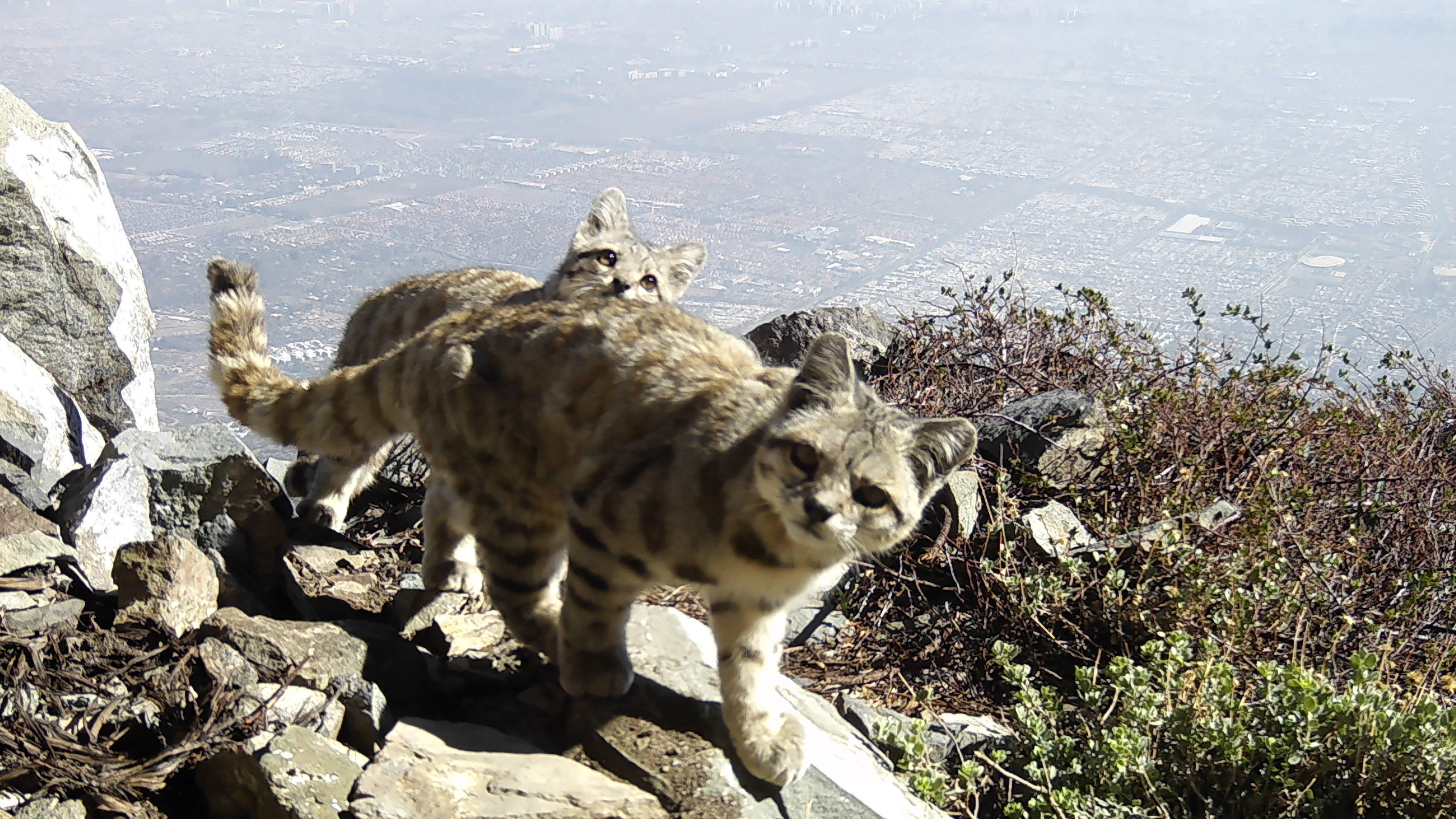
Two Andean cats
Two Andean cats. © Bernardo Segura/AGA

The Andean cat (Leopardus jacobita) is one of the least known felids around the world. It is one of four cat species listed as Endangered on the IUCN Red List of Threatened Species. Its range stretches through the Andes of Argentina, Chile, Bolivia and Peru — a highly fragile ecosystem characterized by extreme temperatures, high altitude and profound remoteness. One of the world's least-studied wild cats, it is threatened by mining expansion in its core habitat, pre-emptive or retaliatory killing by herders in a case of mistaken identity as the perpetrator, and the accelerating effects of climate change on the Andean ecosystem. In this context, the cultural connection of the Andean cat is as fragile as it is historical. 

As economic pressures draw people away from rural altiplano communities, the intergenerationally transmitted traditional knowledge, customs and beliefs of the Aymara and Quechua Peoples are increasingly at risk of being lost. Supporting communities in preserving that heritage on their own terms is as central to this work as protecting the cat itself. 

Building Trust with Indigenous Communities in the Andes

Two Andean cats. © Bernardo Segura/AGA
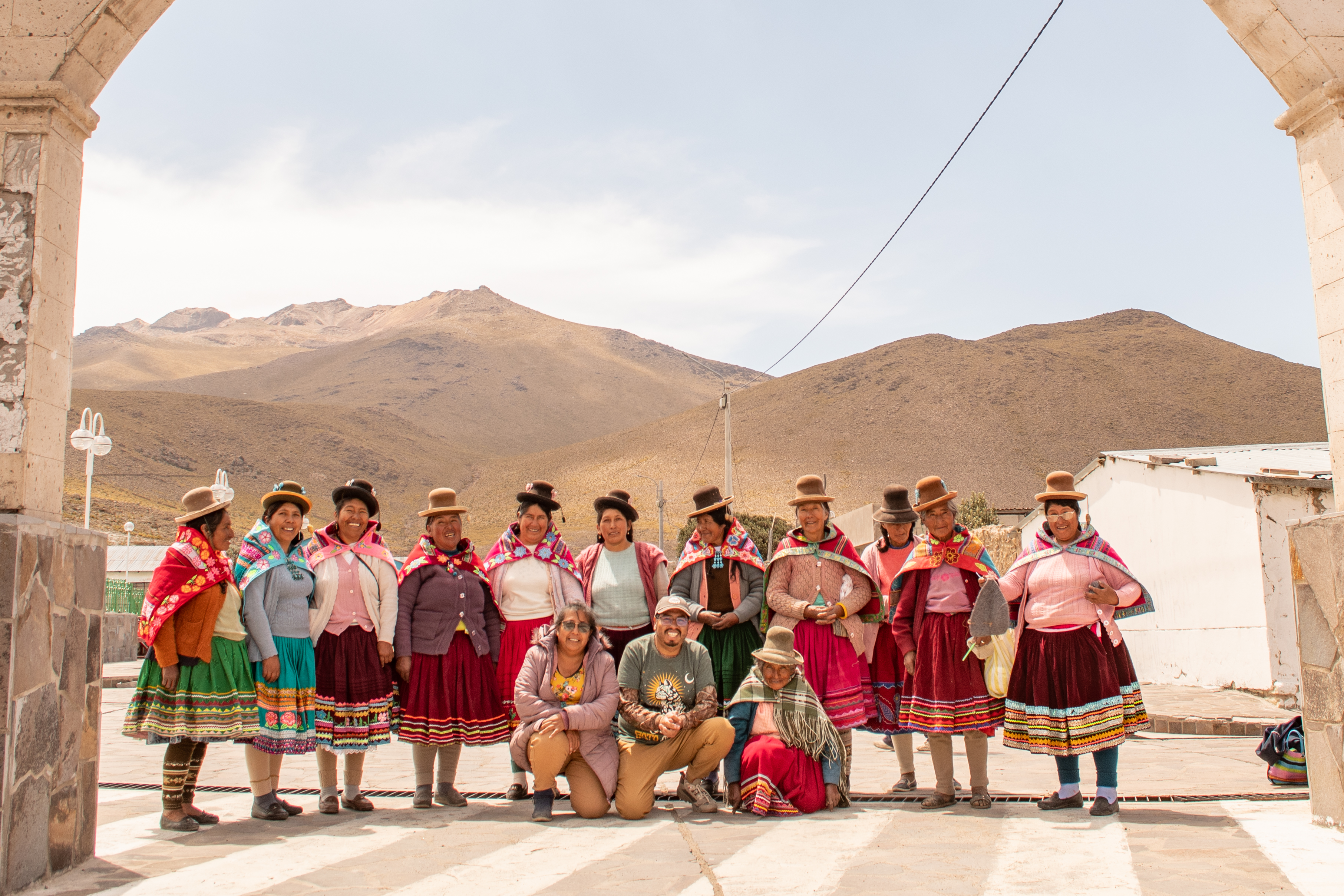
Panthera and the Andean Cat Alliance partner with communities across the Andean range. © Anthony Pino/AGA

Nicolás Lagos, Patagonia Puma Coexistence Project Coordinator at Panthera, has spent years studying Andean cat myths and folklore, tracing petroglyphs across the high desert and learning from the communities about its cultural significance.

“As I started to realize how sacred the Andean cat is through ancient stories and art, that ignited other ways of getting involved,” he says. “Why did ancient people worship it, yet we're now driving it to extinction? It's not only important that we do something for the environment, but also for communities from thousands of years ago. The best way to do that is to work closely with the communities, the ones who have had a relationship with this animal for such a long time.”  

That philosophy is at the heart of the Andean Cat Alliance's work. Panthera partnered with the Alliance (Alianza Gato Andino or AGA), in 2021, building on the AGA's work that had been underway since the early 2000s — including longstanding support from the Wildlife Conservation Network and collaboration with communities and government agencies across the Andean range. From the beginning, AGA and Panthera understood that science alone could not protect this species. 

“Conservation work cannot be done without the communities living here,” Lagos says.  

Lagos, who has worked with AGA since 2007, finds motivation in the cat's elusiveness. “Working to protect an animal that I never see is a challenge, but we have technology like remote cameras and DNA analysis to keep learning about it," he says. “So few things are known about it that learning more makes me want to continue studying and protecting it.” 

CATCrafts: How Handmade Goods Benefit Communities and Wild Cat Conservation 

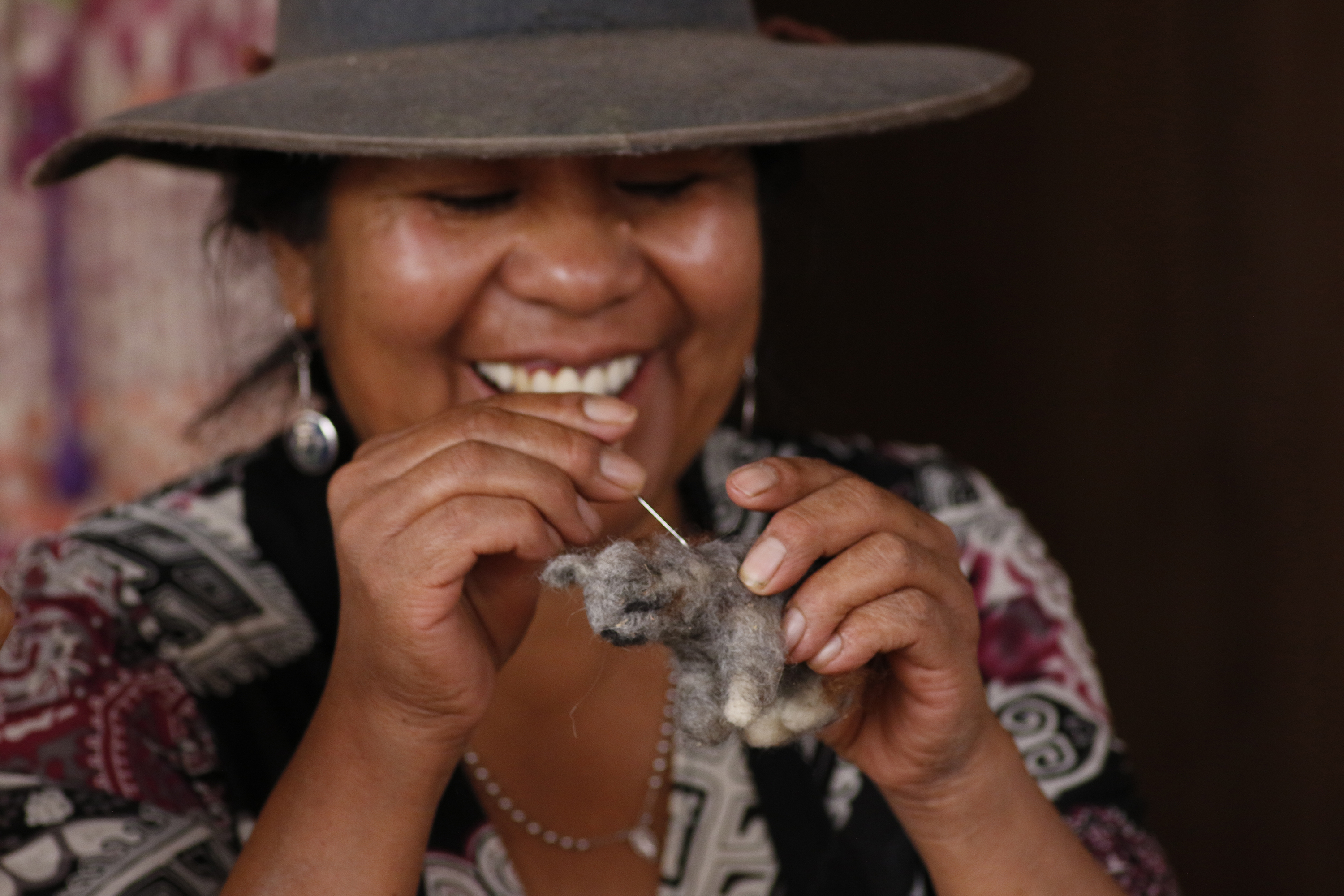
A community member makes Andean cat crafts.
A community member makes Andean cat crafts. © Nicolás Lagos/AGA

AGA’s involvement with local communities led to the creation of the CATCrafts Program, an initiative of AGA, possible through support from the Wildlife Conservation Network and the Andean communities whose participation drives it. CATCrafts is an economic empowerment initiative that gives women in Andean communities a direct stake in conservation. The CATcrafts program works with communities where the Andean cat is present and where women are seeking new economic opportunities. Rather than arriving with a predetermined model, the team begins by listening: What do communities need? What products do they want to make? What traditions do they want to revive? Communities choose the direction; AGA provides the bridge.

Women artisans are trained in techniques, including needle felting and traditional weaving, to create handcrafted animals and goods inspired by the Andean cat and the broader natural world of the altiplano. Materials are locally sourced: wool and other regional raw materials, not plastic or synthetic fibers. Expert artists and designers lead workshops, then step back as the communities take ownership. 

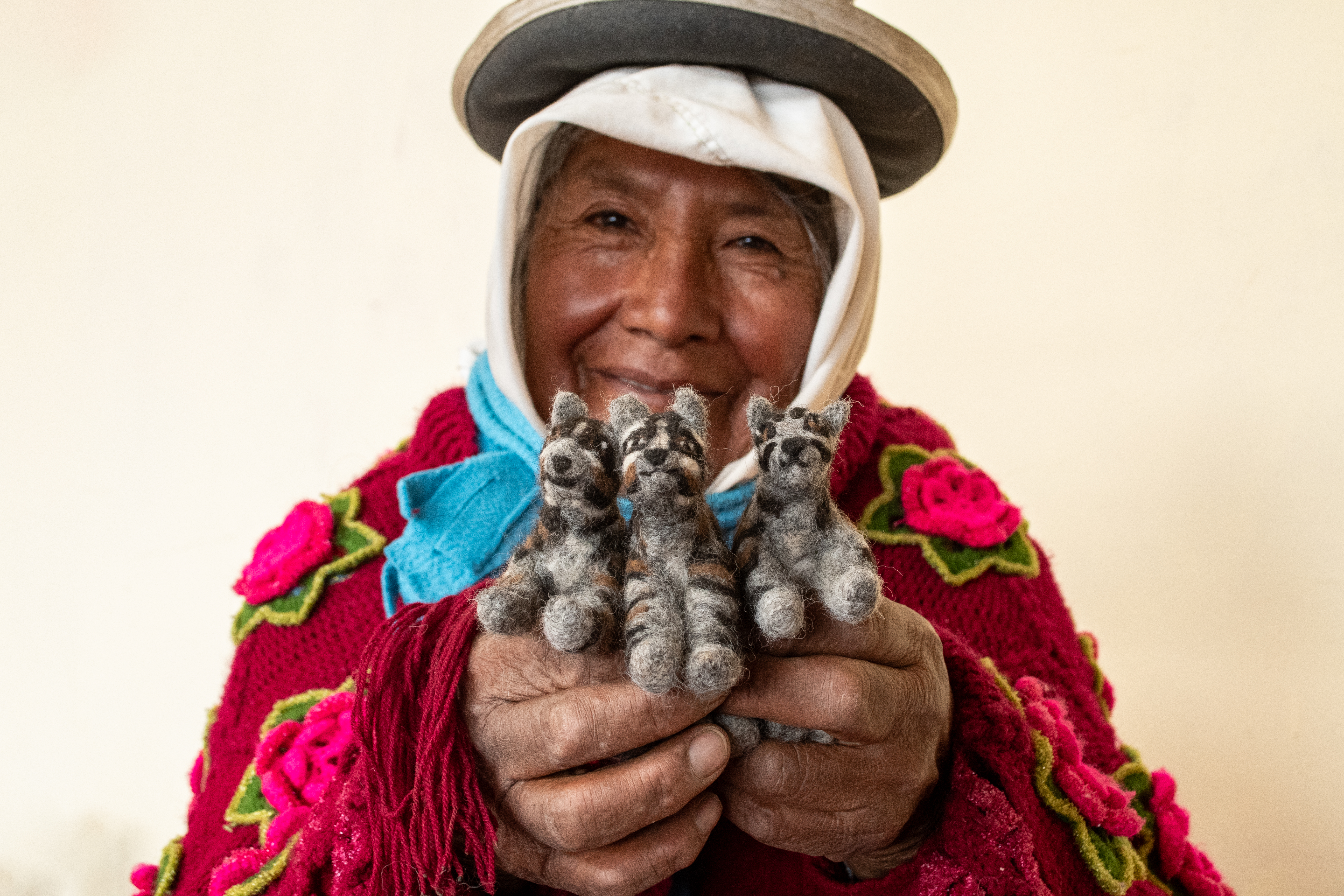
A CATCrafts artisan shows the products she made.
A CATCrafts artisan shows the products she made. © Anthony Pino/AGA

AGA operates the program under a strict fair trade framework. Communities set their own prices. Every step is transparent. The result is a product that is rooted in their traditions, made from their landscape, priced on their terms.

AGA then connects these communities with buyers such as luxury hotels, urban tourist markets and international gift channels. Proceeds go to the artisans and their families, with a portion supporting AGA’s conservation programs.

Mauro Lucherini works with the artisans and communities to coordinate the link to the market. The work requires both logistical precision and deep cultural fluency — understanding what communities need from the program, what markets will respond to and how to hold those two realities together without compromising either.

“Community engagement requires time and patience — it's fundamentally about building trust,” Lucherini says. “It means traveling for hours to reach remote villages and enduring the harsh conditions of the Andean landscape: the dryness, the extreme temperatures, the altitude. But when we see one of the artisans we work with proudly sharing her knowledge about this cat and its conservation status with a tourist holding a CATCrafts piece, we know every hour was worth it.” 

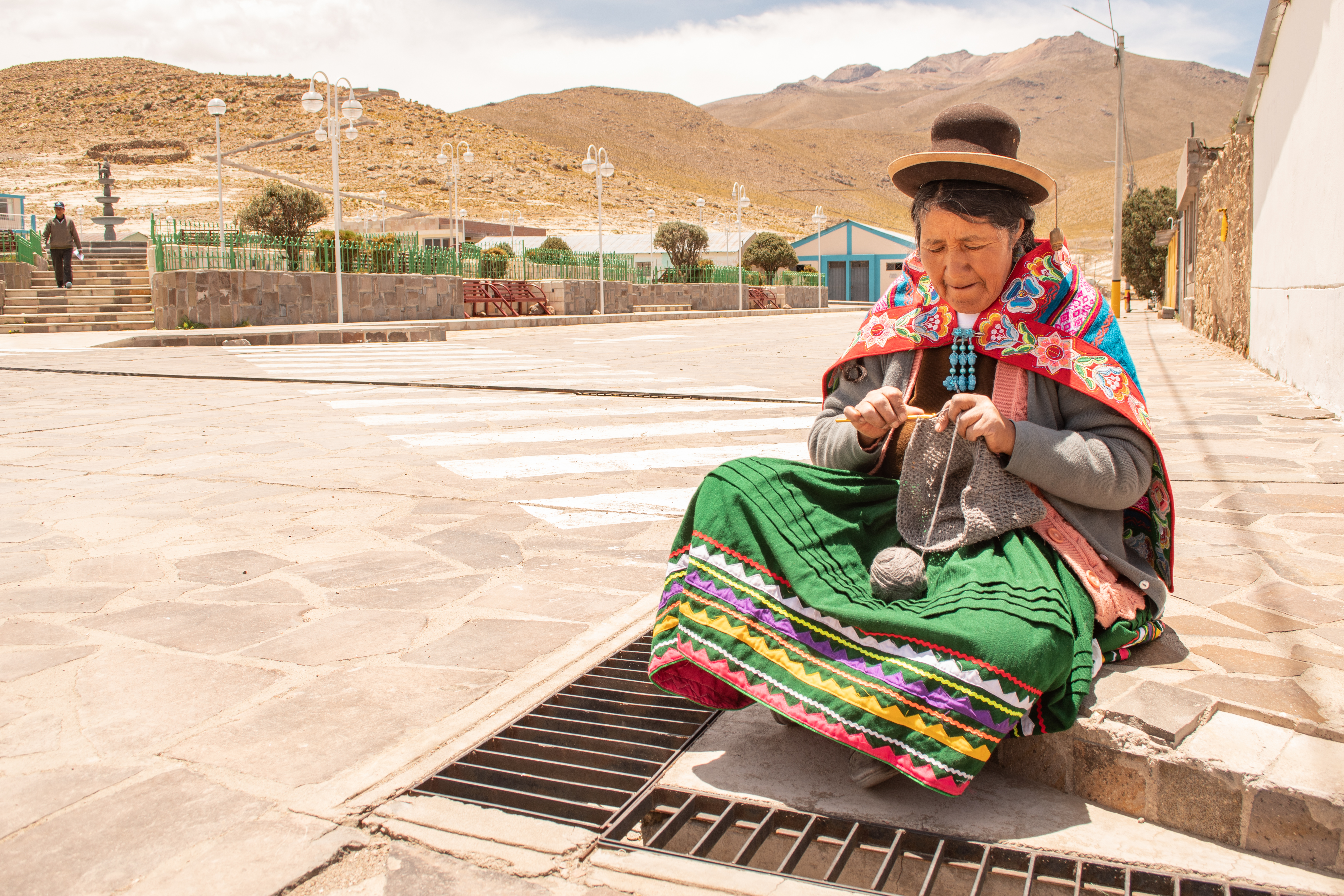
An artisan weaves goods as part of the CATCrafts Program
An artisan weaves goods as part of the CATCrafts Program. © Anthony Pino/AGA

The program's success can be measured in more than sales. Communities that began as participants are now training others, facilitating the program's expansion into new areas themselves. The Andean cat — once a symbol known primarily to those with the cultural memory to carry it — is now the centerpiece of a growing economic movement, giving the next generation of altiplano women a reason to stay, and a livelihood built on the land their communities have stewarded for centuries. 

Protecting Andean Cat Habitat Through Human-Wildlife Coexistence 

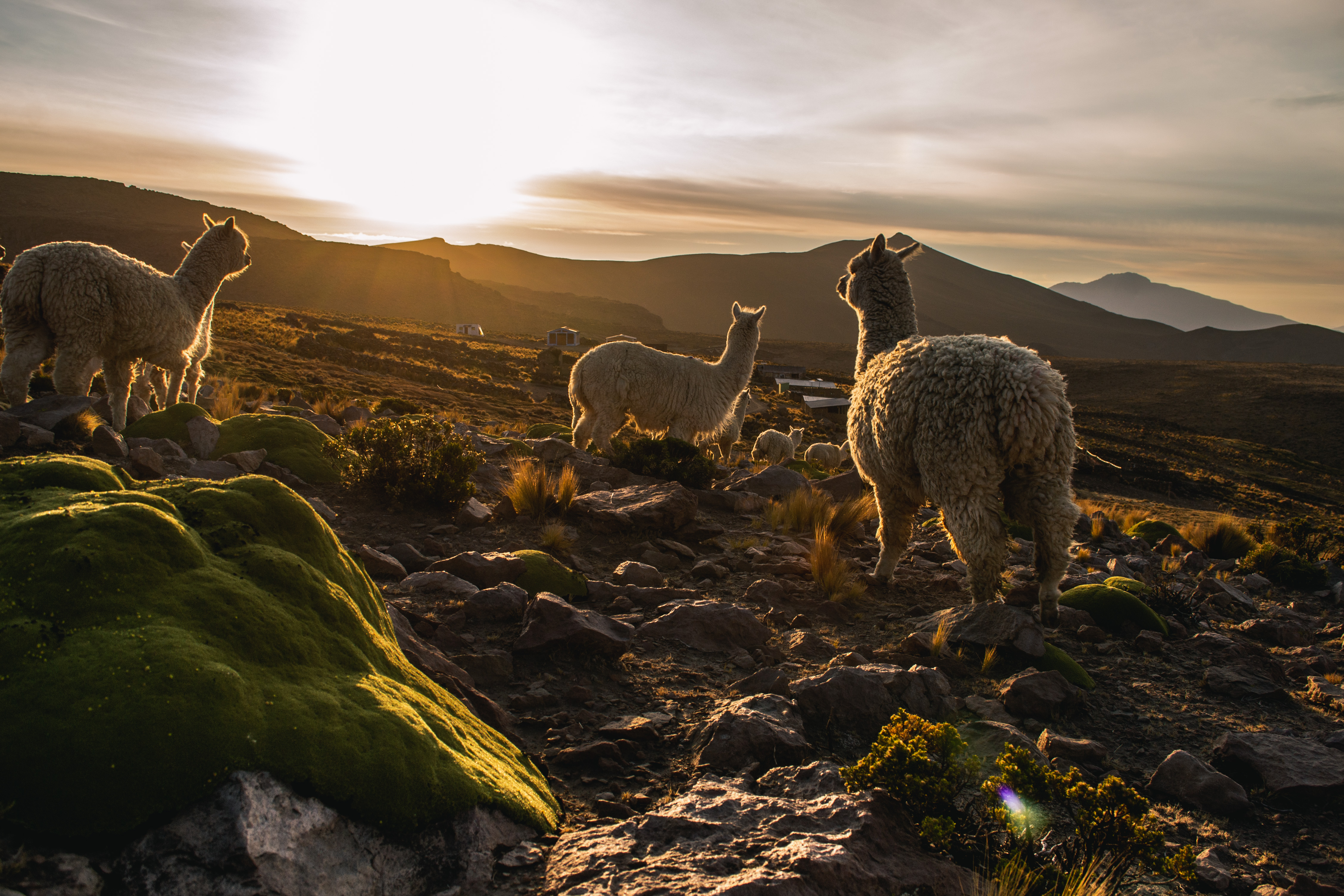
Alpacas in the Andean landscape
Panthera and AGA focus on non-lethal livestock protection measures that reduce retaliation against all wild cat species. © Anthony Pino/AGA

Beyond the CATCrafts Program, Panthera and AGA work to reduce the pressures that put the Andean cat and its prey species at risk in the first place. One of the most acute threats across the southern range is retaliatory killing, not just of the Andean cat, but of wild carnivores broadly. When stray dogs and native carnivores like pumas and foxes kill alpacas or llamas, herders often indiscriminately retaliate against carnivores in general. The Andean cat, already rare, can become collateral damage. Panthera's approach, mirroring our work to promote human-puma coexistence in Patagonia, focuses on non-lethal livestock protection measures that reduce the conditions that trigger retaliation that targets all cat species.

Community members are also invited to participate directly in monitoring. Remote cameras — a cornerstone of AGA's research effort — are deployed with community members as active partners in monitoring. In an environment as remote and rugged as the altiplano, the knowledge, skills and insights that communities contribute add to conservation science, strengthening protection of the Andean cat. 

The Future of Andean Cat Conservation in Latin America 

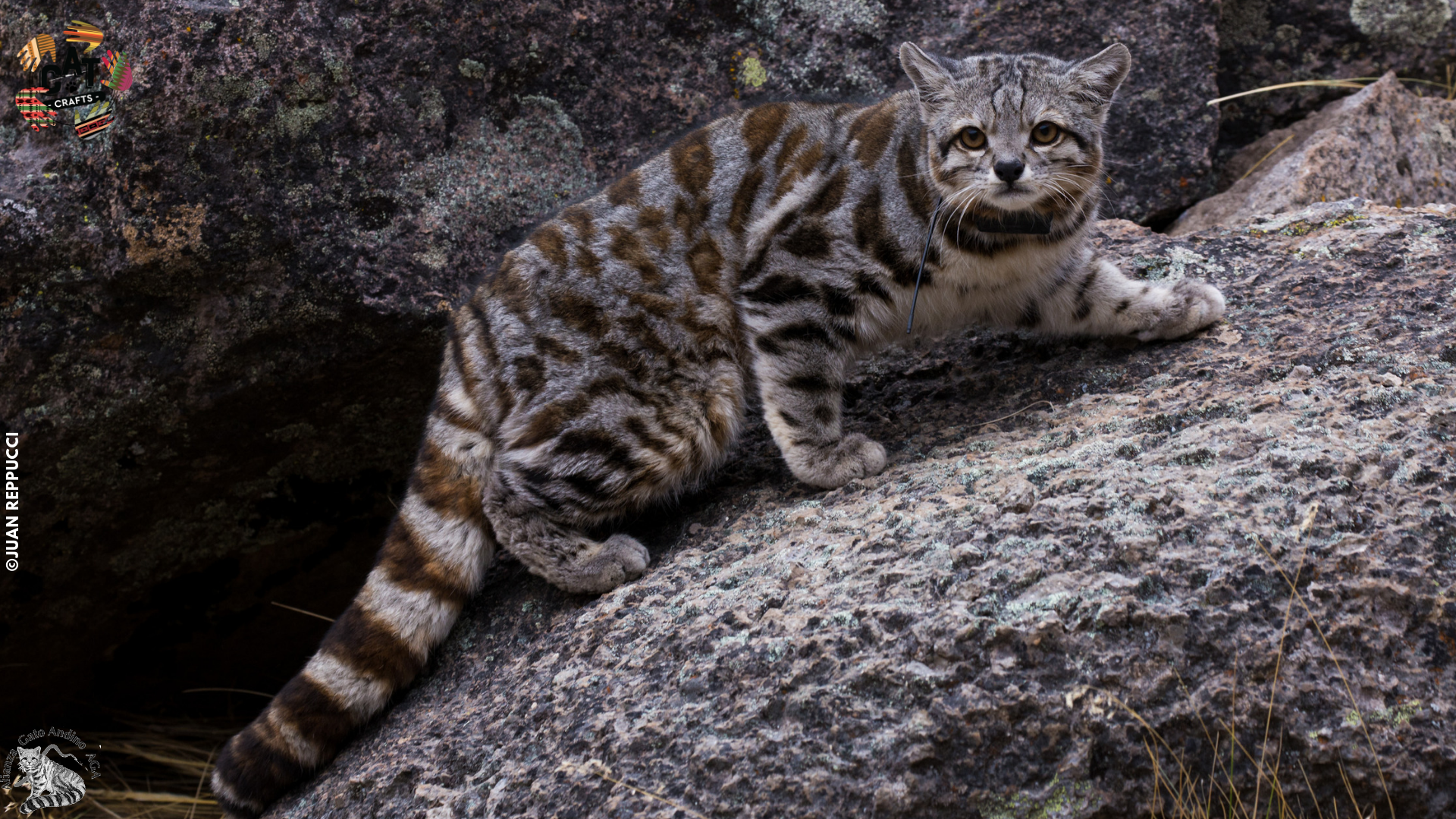
An elusive Andean cat
An elusive Andean cat. © Juan Reppuci/AGA

Panthera is now preparing for the next phase of work. A  multidisciplinary feasibility study across Argentina, Chile, Bolivia and Peru is nearing completion. The study will evaluate which site Panthera can develop long-term research focused on the Andean cat, with a second stage planned to frame conservation interventions. By the end of 2026 a location will be selected for a pilot project, with a formal launch planned for 2027. Community collaboration will be central to the design from the start, and interventions will be shaped in a later phase by each region's priorities.

For Lagos, witnessing appreciation for the Andean cat across generations has kept him inspired to continue this work. “When I first learned about the Andean cat, I was impressed that there was such an important, endangered, but little-known species,” he says. “My goal is to spread awareness about it. Now, with CATCrafts, we're working with families whose young children know about it — and that is a success.”

The Andean cat is one of the rarest wild cats in the world. But in the altiplano, it is also one of the most beloved: preserved in ancient rock carvings, in oral traditions passed from grandparents to grandchildren, and now in the hands of artisans who are turning that love into a future. 

Community-centered conservation is happening across Panthera's programs worldwide. Read how we're working with local communities to protect wild cats in Malaysia, Saudi Arabia and Zimbabwe, and follow us on Instagram for more stories from the field.